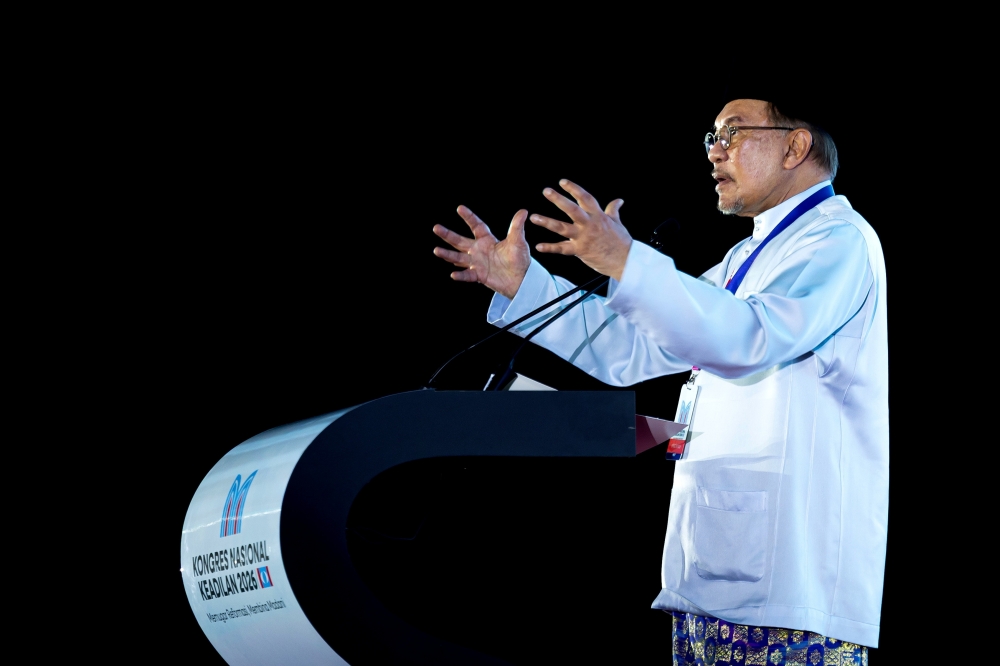
Prime Minister Datuk Seri Anwar Ibrahim has indicated that a series of substantial policy adjustments lie ahead, signalling a fresh direction for his administration as Malaysia prepares for the 2027 Budget cycle. Speaking in Melaka on Thursday, the PM emphasised the urgency of these modifications while declining to provide specific details at the time. The first wave of announcements is scheduled to emerge Monday, setting the stage for broader economic and governance reforms that will form the backdrop to the upcoming budget presentation to Parliament.
The timing of these revelations is strategically significant, coming as the government calibrates its fiscal approach for the coming financial year. By rolling out announcements in stages rather than all at once, the administration appears intent on managing public discourse and allowing each policy shift adequate attention and explanation. This measured rollout suggests the changes may be substantive enough to warrant careful presentation and dialogue with stakeholders across different sectors.
Anwar's approach reflects the delicate balancing act required in contemporary Malaysian politics, where coalition governments must navigate competing interests among constituent parties while maintaining broader public confidence. The decision to telegraph upcoming changes rather than surprise the nation indicates a degree of transparency that contrasts with previous administrations, though it also creates anticipation and invites speculation about the nature of these reforms.
The Budget 2027 presentation itself represents a critical juncture for the government's economic agenda. Coming in an election year context—with general elections typically held by mid-2027—the budget will carry heightened political significance beyond its immediate fiscal function. Any major policy shifts announced beforehand will shape the narrative around government priorities and provide the framework within which budget allocations are understood.
For Malaysian businesses and investors, the early warning of policy changes offers both opportunity and uncertainty. Companies in various sectors will be watching closely to understand how these reforms might affect their operations, regulatory environments, and market conditions. The staggered announcement approach allows enterprises time to assess implications and adjust strategies, though the lack of specificity in advance also means strategic planning remains tentative until details emerge.
Regionally, Malaysia's policy directions carry implications for Southeast Asian economic integration and coordination. As one of the region's largest economies and a key player in ASEAN, shifts in Malaysian fiscal policy, trade approach, or governance frameworks can ripple across neighbour economies. Other Southeast Asian nations and foreign investors with Malaysian exposure will be tracking these announcements carefully to understand potential impacts on bilateral relationships and commercial arrangements.
The government's commitment to announcing changes before budget presentation suggests these modifications are foundational to the fiscal framework ahead. Rather than treating them as supplementary or tertiary matters, positioning them as preliminary to the budget indicates they likely reshape how the government intends to allocate resources and pursue its economic objectives. This sequencing implies the policy announcements will establish new parameters within which the budget operates.
Within Malaysia's political landscape, the timing also reflects the coalition government's need to demonstrate dynamism and responsiveness to public concerns. Economic pressures, inflation, employment challenges, and infrastructure demands create ongoing pressure for policy innovation. By signalling imminent changes, the PM positions the government as forward-thinking and engaged with contemporary challenges rather than managing inherited problems through incremental adjustment.
The nature of these changes remains speculative until Monday's announcements, but potential areas for reform could span fiscal policy, social safety nets, infrastructure investment, public sector efficiency, or regulatory frameworks affecting business and investment. Each category represents domains where Malaysian policymakers have faced criticism or pressure from various quarters, suggesting possible directions for reform.
Stakeholder management will be critical in the coming days. Labour unions, business associations, professional bodies, and community organisations all have stakes in different policy domains. The government's ability to communicate the rationale for changes, their expected benefits, and any adjustment periods available to affected parties will significantly influence public reception. Poorly explained reforms, regardless of merit, risk generating unnecessary resistance.
For ordinary Malaysians, the outcome of these announcements could affect employment security, cost of living, access to public services, and economic opportunity. The government's track record in policy implementation—not merely announcement—will ultimately determine whether signalled changes translate into tangible improvements in living standards and economic dynamism.
As Monday approaches, the political and economic establishment across Malaysia will be positioned to parse the government's announcements closely. The degree of ambition demonstrated, the coherence of the reform package, and the clarity of implementation pathways will all contribute to how markets and public opinion respond. This moment represents an opportunity for the administration to reset expectations and reframe its economic narrative ahead of a critical budgetary and electoral year.

