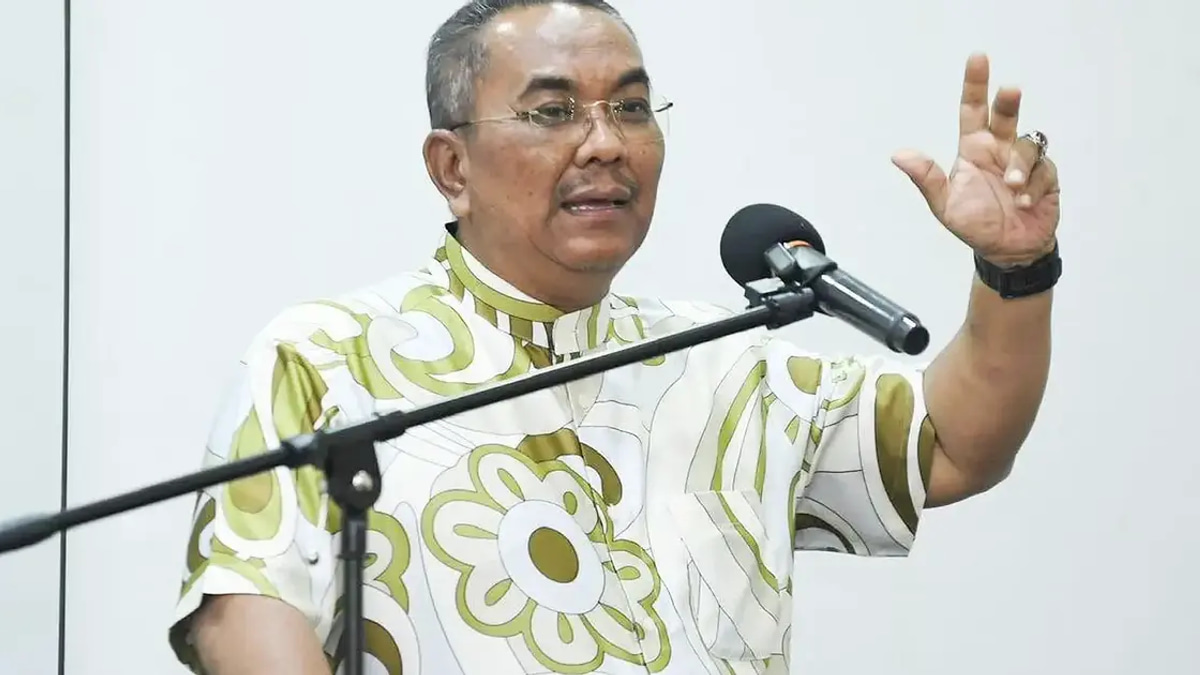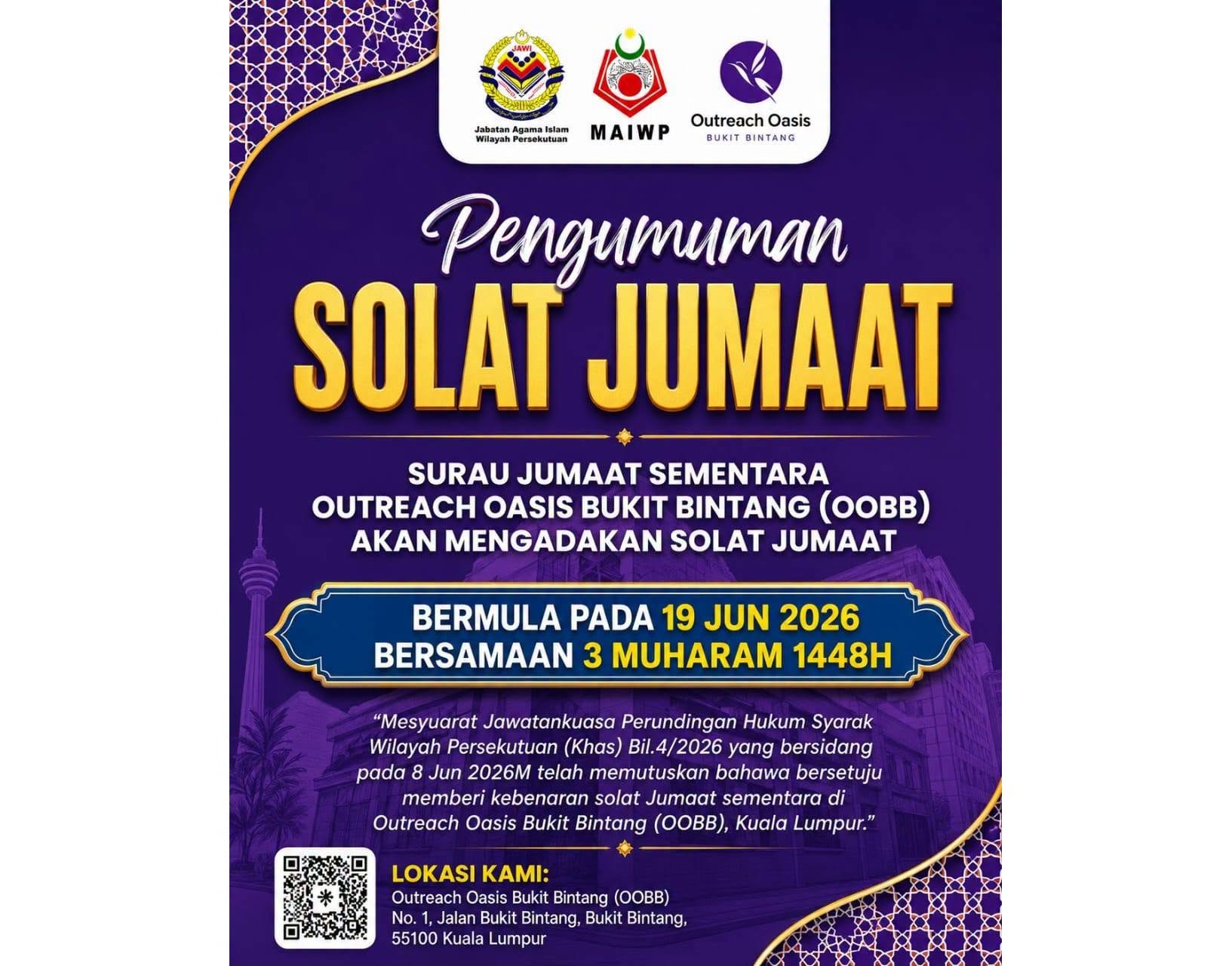
Starting June 19, Muslims working in or visiting Kuala Lumpur's Bukit Bintang district will have access to dedicated space for Friday prayers at the Bukit Bintang Outreach Oasis. The facility, approved through special government authorization, addresses a long-standing gap in religious infrastructure at one of Malaysia's most bustling commercial and tourist destinations. Dr. Zulkifli Hassan, Minister in the Prime Minister's Department (Religious Affairs), announced the development through a Facebook post, framing the initiative as a milestone for the community.
The temporary arrangement represents an interim solution while authorities complete construction of a permanent Friday surau at the same location. This phased approach acknowledges the urgency of providing prayer facilities while ensuring that the final structure meets proper standards and capacity requirements. The Bukit Bintang area, known for its shopping malls, restaurants, and entertainment venues, has traditionally presented challenges for Muslims seeking to fulfill their Friday prayer obligations during working hours, often requiring them to travel considerable distances to find suitable prayer spaces.
Dr. Zulkifli's announcement emphasizes the spiritual and practical benefits of the new facility. His statement that there will be no need to "rush, race against time, or squeeze through crowds" reflects understanding of the real constraints faced by working Muslims in urban commercial districts. The pressure to manage prayer obligations within tight lunch breaks or work schedules has long been a consideration for employers and employees in central business areas across Malaysia. By bringing prayer facilities directly into Bukit Bintang, the initiative removes a significant logistical burden that has affected workforce productivity and religious observance.
The government's decision to prioritize religious infrastructure in a secular commercial hub underscores Malaysia's approach to accommodating Islamic practice within modernized urban spaces. Bukit Bintang's status as a major retail and tourism destination means the surau will serve not only office workers and shop employees, but also visiting Muslim tourists and business travelers who wish to maintain their religious practices. This reflects a broader policy recognition that economic development and Islamic observance need not be in tension—indeed, facilitating prayer can enhance quality of life for the Muslim majority and international visitors alike.
The Outreach Oasis facility itself functions as a multipurpose community space in an area previously lacking dedicated Islamic institutional presence. By repurposing existing infrastructure temporarily, authorities have demonstrated pragmatism in meeting immediate needs while longer-term construction proceeds. This approach allows the community to assess demand, refine operational procedures, and gather feedback that will inform the design and management of the permanent surau. The temporary phase essentially serves as a pilot period, ensuring that the final facility addresses genuine community requirements.
Dr. Zulkifli's invitation for the Bukit Bintang community to actively participate in the Friday prayers carries both spiritual and symbolic weight. His appeal for Muslims to "fill the rows as a sign of solidarity" frames attendance not merely as individual religious obligation but as collective affirmation of Islamic identity in the commercial sphere. This social dimension is particularly significant in Malaysia's multicultural context, where public expressions of religious practice often carry heightened meaning and help normalize Islamic observance across diverse urban environments.
The project reflects evolving expectations among Malaysia's urban Muslim population regarding access to religious facilities. As cities become increasingly congested and working patterns more demanding, the absence of prayer spaces in major commercial districts becomes progressively problematic. The Bukit Bintang initiative demonstrates government responsiveness to these changing needs and signals commitment to integrating Islamic infrastructure into urban planning. Similar facilities in other high-density commercial areas may follow if this model proves successful.
The timing and approval process also merit consideration. The special authorization granted to enable Friday prayers at a commercial venue indicates flexibility in religious administration and recognition that rigid zoning can impede legitimate religious practice. Malaysian Islamic governance traditionally emphasizes the importance of Friday congregational prayer as a core pillar of Muslim life, making access to suitable facilities a matter of religious policy concern rather than mere convenience. By expediting approval for the temporary facility, authorities have prioritized the religious principle underlying the initiative.
Looking forward, the permanent surau under construction will establish a lasting religious landmark in Bukit Bintang. Its completion will likely include improved facilities, adequate capacity for expected congregations, and infrastructure designed specifically for prayer rather than adapted from commercial space. The architecture and design of the final building may become significant in shaping perceptions of Islamic institutions in secular commercial environments, potentially influencing how such facilities are integrated into future urban development projects across Southeast Asia.
For Malaysian businesses and employers operating in Bukit Bintang, the facility offers practical advantages. Employees with dedicated, nearby prayer space may experience reduced stress during work hours, potentially improving workplace morale and productivity. Companies have increasingly recognized that accommodating religious practices demonstrates respect for workforce diversity and can enhance employee satisfaction. The new facility thus benefits not only individual worshippers but also the broader business community operating in the district.
The initiative also carries implications for tourism and hospitality sectors. Malaysia actively promotes itself as an Islamic tourism destination, and facilities that accommodate Muslim visitors' religious needs enhance the country's competitive positioning. International Muslim travelers increasingly seek destinations offering convenient prayer facilities, and Bukit Bintang's profile as a shopping and entertainment hub makes it particularly important for the tourism economy. The surau becomes both a religious facility and an element of Malaysia's tourism infrastructure.