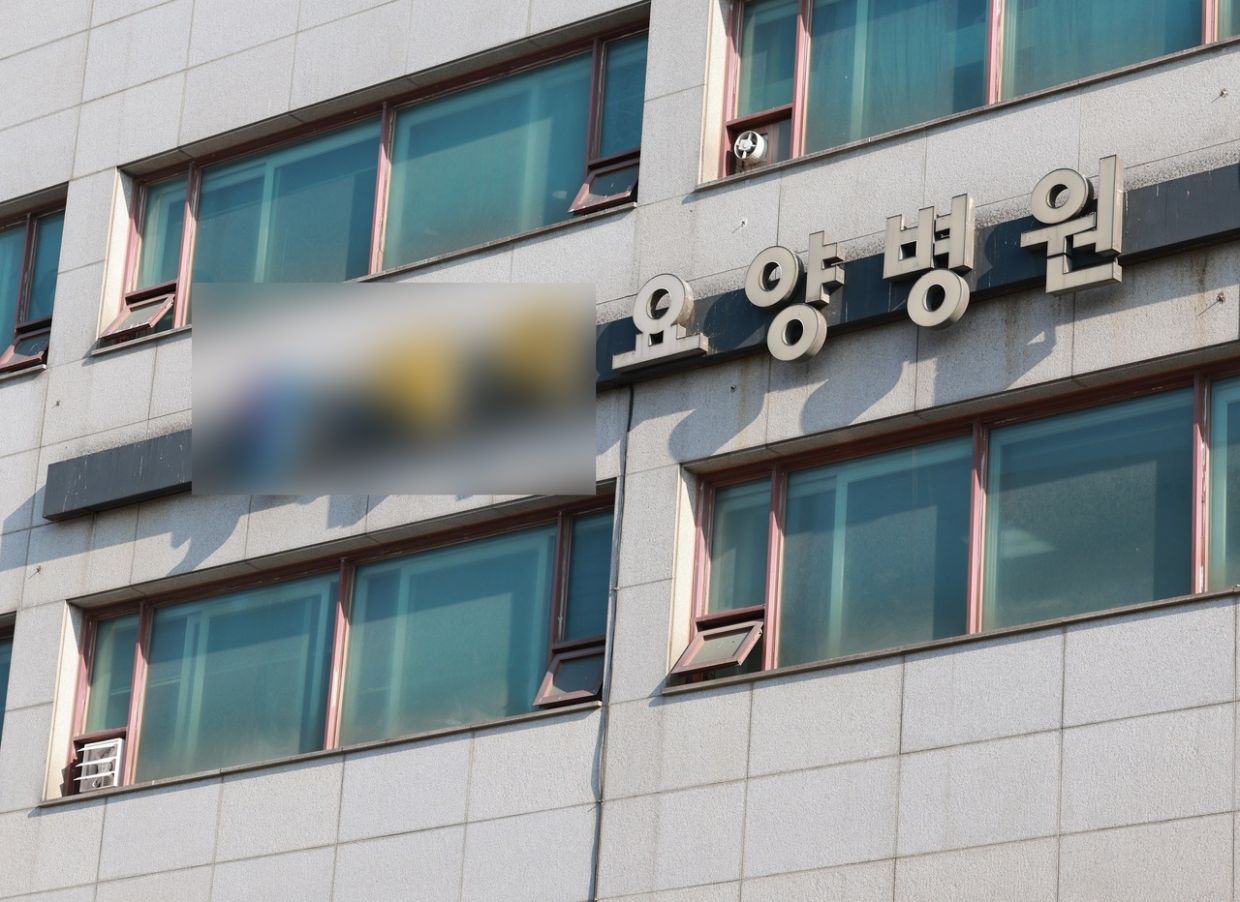
Authorities in Incheon have resolved the mystery surrounding a human leg found at a recycling centre last month, determining it was mistakenly discarded as general waste by a local healthcare facility. The discovery, made on June 10 at the Southern Regional Resource Recovery Centre, initially sparked a criminal investigation, though police have now established that no foul play was involved in the limb's appearance at the facility.
The leg had been surgically amputated from an elderly female patient in her 80s at a nursing hospital located in Jung-gu district. According to the Incheon Yeonsu Police Station, a member of the cleaning staff in their 60s made the critical error of placing the limb with ordinary recyclable waste, mistakenly believing it came from a mannequin rather than recognising it as human tissue requiring special handling.
The discovery unfolded across several stages of investigation. The limb was initially flagged as potentially human material when workers at the recycling centre found it around 2.28pm on June 10. DNA analysis by the National Forensic Service confirmed its human origin and subsequently matched it to the elderly patient, providing definitive proof of the source. Hospital officials had voluntarily reported the missing body part to police two days before authorities made the public announcement, suggesting some level of accountability within the institution.
The incident has exposed significant gaps in medical waste management procedures at the facility. South Korean law, specifically the Wastes Control Act, mandates that medical waste be disposed of separately in government-designated containers rather than being mixed with general recyclables. The amputated limb's presence in a recycling stream represents a clear violation of these stringent regulations designed to prevent contamination and ensure proper handling of biohazardous materials.
Beyond the waste disposal violation, investigators are pursuing several parallel lines of inquiry that could carry more serious implications for the hospital. Police are examining whether the institution possesses the necessary equipment and facilities to perform amputations, as allegations have surfaced suggesting the nursing home may lack the infrastructure required for such surgical procedures. This question goes to the heart of the Medical Service Act, which strictly governs which healthcare facilities may conduct specific medical procedures.
The hospital's regulatory position remains precarious as law enforcement consults with multiple agencies about potential violations. Officials from the Korean Medical Association, the Ministry of Health and Welfare, and private legal experts are being engaged to determine whether criminal charges should be filed under the Medical Service Act, beyond the civil violations already identified under waste management regulations. A police spokesperson acknowledged this complexity, stating that no specific criminal clause had yet been identified to prosecute the matter directly.
The case highlights vulnerabilities in South Korea's healthcare system regarding both waste management and facility licensing. The nursing hospital had become the patient's final option after other medical institutions refused to admit her due to her deteriorating health condition. Her family had specifically requested her transfer to this facility when alternatives were exhausted, placing them in a dependent position that may have compromised their ability to ensure proper medical protocols were followed.
For Malaysian readers, this incident carries cautionary implications about medical standards across neighbouring East Asian healthcare systems. While South Korea maintains strict regulatory frameworks on paper, the human error committed by cleaning staff demonstrates how enforcement failures can occur even in developed economies. The situation underscores the importance of robust staff training, clear waste segregation procedures, and institutional oversight mechanisms that remain vigilant across all levels of healthcare operations.
The investigation's methodology—relying on DNA confirmation and forensic analysis rather than accepting circumstantial evidence—reflects sophisticated investigative standards. However, the case also reveals how easily medical waste can bypass oversight when proper separation protocols are not rigorously implemented from the moment waste is generated within a healthcare facility. This has direct relevance to Malaysia's own medical waste management framework and the potential vulnerabilities that could exist in local institutions.
The broader context of the patient's medical journey adds a layer of systemic concern. The fact that she required nursing home placement because established hospitals would not admit her suggests pressures on the healthcare system to accept patients who may require more specialised care than available resources can safely provide. This situation potentially contributed to the compromised standards evident in her care and the subsequent mishandling of her surgical waste.
Investigators have confirmed that while the disposal was improper and legally actionable, it was not indicative of intentional harm or criminal negligence in the amputation procedure itself. The police have not suggested foul play surrounded the surgery or its aftermath, meaning the hospital's primary legal exposure centres on administrative and waste management violations rather than alleged medical malpractice.
The case remains under review as authorities complete their consultation process and determine which legal frameworks most appropriately address the hospital's conduct. The outcome will likely establish important precedent for how South Korean law enforcement prosecutes medical waste violations and potentially clarify the standards expected of nursing facilities undertaking surgical procedures.