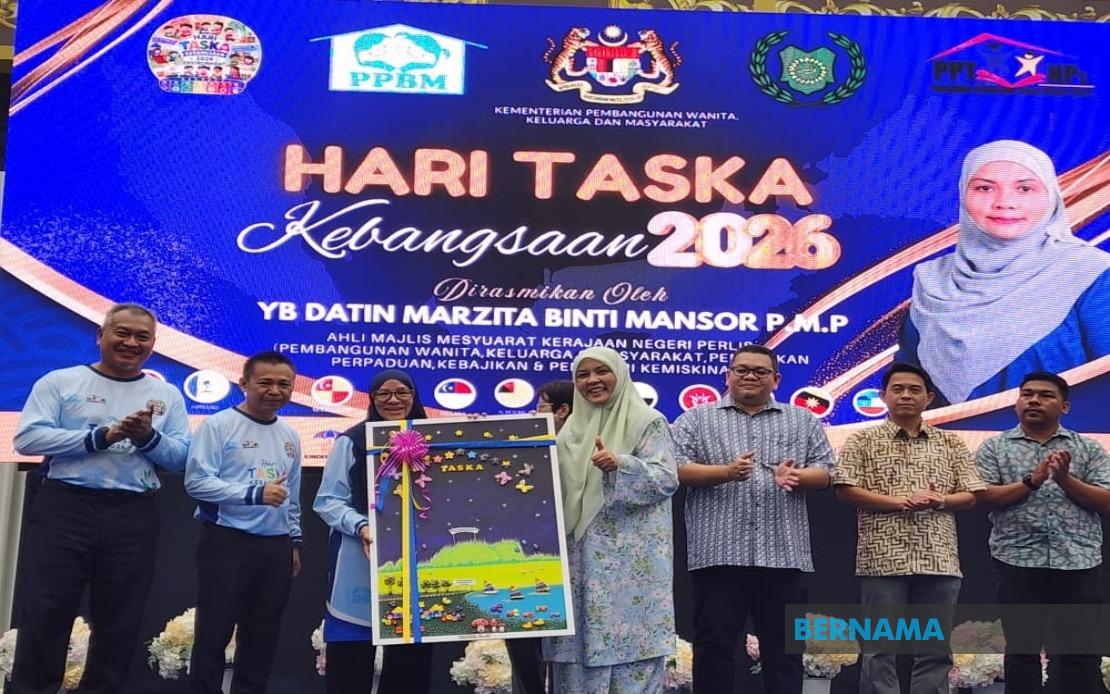
Malaysia's childcare sector is being called upon to move beyond minimal standards and embed principles of child protection and rights into everyday practice, according to the Association of Registered Childcare Providers Malaysia. At the launch of 2026 National Childcare Day celebrations in Kangar, Perlis, the association's leadership stressed that childcare facilities must operate as spaces where children's fundamental rights are not merely acknowledged but actively upheld through deliberate policy and practice.
Adjunct Professor Norsheila Abdullah, president of the association, articulated a vision of childcare that transcends routine logistical functions. Rather than simply ensuring children receive meals, remain hygienic and maintain physical well-being, she argued that comprehensive childcare encompasses safeguarding from harm, fostering positive relationships, providing emotional validation, creating meaningful learning opportunities, and treating each child as an individual worthy of dignity and respect. This distinction reflects a growing international consensus that early childhood environments shape not only immediate outcomes but long-term development across multiple dimensions.
The association's position aligns with the Convention on the Rights of the Child, a foundational international instrument that Malaysia has ratified. Implementation of CRC principles through childcare practice requires systemic change across the sector. Norsheila emphasised that practitioners and stakeholders must evaluate childcare quality by asking whether children have not only been cared for but actively protected, listened to, respected and provided space to develop as rights-bearing individuals. This reframing shifts responsibility from a basic service model toward one centred on holistic human development.
The 2026 National Childcare Day, themed "The Environment as a Driver of Holistic Child Development", was officially inaugurated by Datin Marzita Mansor, chair of the Perlis Women, Family and Community Development, Education, Unity, Welfare and Poverty Eradication Committee. The choice of theme underscores recognition that the physical and relational environment surrounding young children functions as an active agent in their development rather than a passive backdrop. Creating such environments requires intentional design, staff training, and ongoing reflection on practice.
Norsheila called on all stakeholders—childcare providers, parents, families, community members and broader society—to place children's best interests at the centre of decision-making. This principle demands that policies affecting childcare funding, regulation, staffing and facility design prioritise child welfare over administrative convenience or cost reduction. For Malaysian policymakers balancing economic constraints with developmental needs, this represents a call to view childcare investment as foundational infrastructure rather than optional social support.
A key emphasis within the association's advocacy involves the concept of "no child left behind" within childcare settings. This principle translates into creating inclusive environments responsive to the diverse needs of all children, including those with developmental delays, disabilities, or requiring additional support. Implementation requires trained staff, appropriate resources, and a commitment to inclusion that extends beyond rhetoric. For Malaysia's growing multicultural and economically diverse society, inclusive childcare practices become essential for ensuring equitable early development opportunities.
Child safety and protection emerged as paramount concerns in the association's statement. Norsheila stressed that those engaged in childcare must maintain vigilance regarding signs of abuse, neglect and safety hazards, responding appropriately and promptly to protect vulnerable children. This vigilance reflects awareness that childcare environments, while intended as safe spaces, require constant monitoring given children's vulnerability and dependence on adult caregivers. For regulators, this underscores the need for robust oversight mechanisms, staff vetting procedures and transparent reporting systems.
The association highlighted the neurobiological foundations supporting investment in early childhood environments. Children developing within safe, nurturing settings establish stronger foundations across physical, emotional, social, cognitive, linguistic and character domains. This evidence-based perspective positions quality childcare not as discretionary amenity but as critical infrastructure shaping lifelong capabilities and wellbeing. For Malaysia, where early childhood development has become increasingly recognised as essential for human capital development, such framing justifies policy attention and resource allocation.
For Malaysian families and practitioners, the association's emphasis on holistic quality carries practical implications. Childcare decisions should evaluate facilities not merely by hygiene standards or meal quality but by examining relational dynamics, staff training, learning opportunities and commitment to child protection. Parents become partners in ensuring children's rights are respected, while providers gain clarity that their role encompasses far more than custodial functions. This perspective potentially elevates the status and demands on childcare as a profession throughout Southeast Asia.
The broader context involves recognising early childhood development as foundational to national prosperity. Investment in quality childcare generates returns across education, health, employment and social outcomes extending decades into the future. For policymakers in Malaysia and the region, the association's advocacy provides evidence-based justification for strengthening childcare regulation, improving provider training, and ensuring equitable access across socioeconomic groups. Building systems that genuinely protect and respect children's rights requires sustained commitment transcending individual facilities or initiatives.

