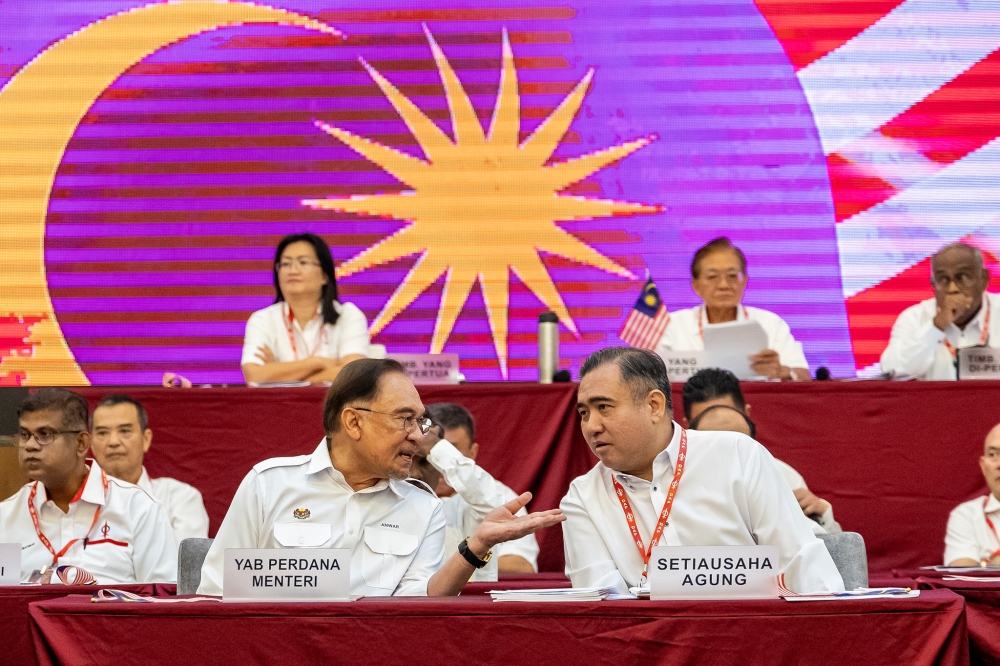
Transport Minister Anthony Loke has firmly rejected suggestions that the Democratic Action Party might withdraw from Prime Minister Datuk Seri Anwar Ibrahim's Pakatan Harapan coalition, underscoring the party's commitment to the ruling government despite evident tensions over the pace of structural change. Speaking in Kuala Lumpur on July 17, Loke articulated a pragmatic acceptance that participation in a multi-party coalition necessarily involves trade-offs between ideological preferences and the realities of shared governance.
The statement comes amid simmering discontent within DAP regarding the speed at which the Pakatan administration has pursued transformative policies. As one of the three principal components of the coalition alongside Amanah and Anwar's PKR, DAP has long advocated for comprehensive institutional reforms, particularly within the judiciary and executive frameworks. Yet the coalition's slim parliamentary majority and the need to maintain internal cohesion have repeatedly forced compromises that frustrate the party's more reformist-minded members.
Loke's remarks represent an attempt to manage expectations within DAP's ranks while publicly reassuring coalition partners of stability. By explicitly framing slower reform as "the price of governing," the Transport Minister acknowledges a reality that Malaysia's political landscape continues to grapple with: coalition governments in a plural society necessarily move at a pace dictated by their least-enthusiastic partner on any given issue. This constraint, while frustrating for reform advocates, has historically prevented the destabilisation that premature coalition collapse could trigger.
The timing of Loke's statement reflects ongoing negotiations within Pakatan over the coalition's reform agenda and legislative priorities for the remainder of the parliamentary term. Sources within government circles suggest that disagreements have occasionally surfaced regarding the sequencing of initiatives, with some DAP figures arguing that the window for transformative change may be narrowing as the next general election approaches. The party fears that without accelerating key reforms now, future electoral setbacks might render such measures impossible to implement.
Frustration within DAP has been particularly pronounced regarding judicial independence, anti-corruption frameworks, and efforts to rein in executive overreach. The party had expected more decisive action on these fronts following the 2022 election results, which many interpreted as a mandate for systemic change. However, the coalition's composition requires constant negotiation, and other partners have occasionally prioritised different policy areas or demanded a gentler approach to institutional change.
Loke's position also reflects broader Malaysian political dynamics, where coalition mathematics often trump ideological purity. The Pakatan arrangement, while delivering substantial electoral support in urban and semi-urban areas, has never commanded the overwhelming parliamentary numbers that would permit unilateral action on contentious matters. This reality distinguishes Malaysia's current political environment from the immediate post-2018 period, when many observers believed fundamental institutional transformation was imminent.
For Malaysian observers and international commentators tracking democratic consolidation in Southeast Asia, Loke's statement offers useful perspective on coalition governance in a divided polity. The DAP's decision to remain in government, despite reform frustrations, suggests that the party's leadership calculates that continued participation in executive power—even with compromised reform ambitions—offers greater long-term advantages than opposition politics would provide. This calculation reflects hard lessons learned during opposition years and acknowledgment that influence within government, however constrained, remains preferable to agitation from the backbenches.
The implications for Malaysian governance extend beyond immediate party politics. Coalition stability provides predictability for economic policy, international relations, and institutional continuity. While critics contend that such arrangements perpetuate compromises that slow necessary change, supporters argue that maintaining Pakatan cohesion prevents the political instability that could undermine Malaysia's development trajectory and regional standing. This tension between reform ambition and governing stability will likely persist throughout the coalition's remaining tenure.
Within the broader Southeast Asian context, Loke's remarks underscore a persistent challenge facing democratic reformers: balancing ideological commitments with the pragmatic requirements of holding power in plural societies. Several neighbouring jurisdictions grapple with similar dynamics, where coalition partners negotiate daily over policy direction and reform sequencing. Malaysia's experience under Pakatan governance provides instructive lessons about both the possibilities and profound limitations of coalition-based transformation.
Looking forward, DAP's continued participation hinges substantially on whether the coalition can achieve sufficient visible progress on its signature reform initiatives to satisfy party members that continued sacrifice remains worthwhile. Election cycles will test whether the electorate views the coalition's record as adequate justification for continued support, or whether perceived slowness becomes a liability. Loke's statement, while reassuring coalition partners in the short term, ultimately cannot resolve the fundamental tension between reform advocates' urgency and the glacial pace that coalition consensus often dictates.

