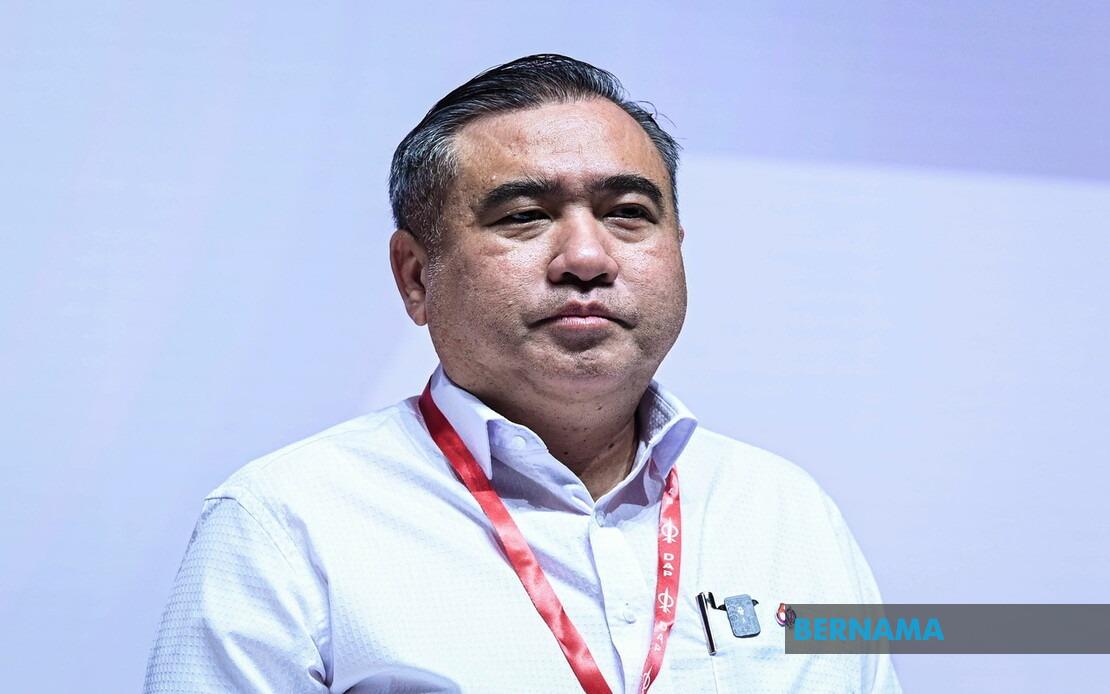
The Democratic Action Party has committed to channelling its grassroots membership's expectations for more decisive and assertive government action through formal cabinet mechanisms, party secretary-general Anthony Loke announced after the party's national conference concluded in Putrajaya. Speaking at the Putrajaya International Convention Centre on Friday, Loke indicated that feedback emerging from the 2026 DAP Party Conference would form part of the party's ongoing mandate as it operates within Prime Minister Anwar Ibrahim's administration.
The conference provided DAP's delegates with an unusual opportunity to voice critical perspectives on both party direction and government performance during open debate sessions. Rather than suppressing dissent, the party leadership permitted frank discussion and encouraged democratic participation, establishing a framework where concerns could be formally registered. Loke emphasised that this transparent approach reflected the party's commitment to internal democracy, even when delegates expressed reservations about the government's pace of reform or decisiveness on key policy issues.
Despite some critical voices, DAP's delegates overwhelmingly voted to maintain the party's participation in Anwar's government. The motion secured support from 88 percent of voting delegates, with 1,857 voting to remain compared to 242 calling for withdrawal from the coalition. This substantial majority provides Loke with a clear mandate to continue engaging with the Unity Government from within, though the presence of dissenting voices—including seven spoilt ballots—indicates ongoing internal debate about the wisdom of the arrangement.
Loke stressed the party's respect for democratic outcomes while acknowledging minority positions. He noted that the 12 percent who opposed continued government participation would face no consequences, reflecting DAP's internal governance principles. This approach contrasts with more authoritarian party structures and underscores the party's ideological commitment to pluralism even within its own ranks. The secretary-general's emphasis on respecting dissent suggests the party views internal criticism as legitimate rather than threatening.
The specific concerns raised by delegates about government assertiveness deserve examination within Malaysia's contemporary political context. After more than a year of Unity Government operation, some party activists appear frustrated by the perceived slowness of reform implementation and what they characterise as insufficient boldness in policy direction. These delegates evidently believe the government should move more rapidly on key structural changes and take firmer positions on contentious national issues.
Loke clarified that the reform agenda discussed at the conference represents joint work rather than exclusively DAP priorities. He pointed to several initiatives already agreed across the broader coalition framework, emphasising that these represent Pakatan Harapan and the Unity Government's collective vision rather than one party's platform. Key agreements include separating the roles of Attorney-General and Public Prosecutor—a significant constitutional reform—restricting prime ministerial tenure to two consecutive terms, and intensifying anti-corruption efforts. These measures align with commitments made during the 2022 general election campaign.
The Attorney-General and Public Prosecutor separation constitutes a particularly significant structural change, addressing concerns about concentrated executive power that have troubled Malaysian civil society for decades. By divorcing these roles, the government aims to enhance judicial independence and prevent potential conflicts of interest. Similarly, the two-term limit on prime ministerial tenure represents a democratic safeguard intended to prevent indefinite executive entrenchment. These reforms, while hardly radical internationally, constitute substantial shifts within Malaysia's governance context.
Loke's insistence that these represent shared rather than partisan agendas reflects attempts to neutralise opposition criticism that DAP is overreaching within the coalition or attempting to impose an ideological blueprint. Political opponents have suggested the conference functioned as a platform for pressuring Prime Minister Anwar toward DAP-preferred policies. By anchoring proposed reforms to pre-election manifestos and inter-coalition agreements, Loke positions DAP as implementing collectively-made commitments rather than advancing narrow partisan interests.
The cabinet channel mechanism that Loke described functions as DAP's formal mechanism for translating grassroots sentiment into government policy influence. As a coalition partner providing crucial parliamentary votes, DAP retains leverage within cabinet deliberations. By systematically presenting delegate feedback through established cabinet communications, the party ensures that grassroots voices reach decision-makers while maintaining coalition discipline and avoiding public confrontation.
This arrangement reflects broader tensions within Malaysia's Unity Government between coalition partners with different ideological orientations and bases. DAP, drawing heavily from urban, Chinese-majority constituencies with relatively progressive constituencies, sits alongside more conservative UMNO, which dominates rural and Malay-majority areas. Managing these coalition dynamics while delivering visible progress on reform initiatives presents ongoing challenges for Anwar's administration, particularly as election expectations build toward the next general election cycle.
The substantial delegate mandate—88 percent support—likely provides Loke sufficient cover to navigate internal dissent while sustaining the coalition arrangement. However, the existence of meaningful opposition suggests that DAP's grassroots patience with the Unity Government's pace of reform has limits. Should the government continue moving slowly on agreed reforms or stumble on key commitments, this minority could eventually grow, potentially threatening the party's continued participation. Loke's commitment to systematically channelling grassroots demands represents an attempt to manage these pressures constructively.
Looking toward Malaysia's electoral timeline and broader Southeast Asian democratic trajectories, the DAP conference episode illuminates how coalition governments must navigate internal party democracy while maintaining functional partnerships. The relative transparency with which DAP handled internal debate contrasts sharply with more opaque coalition management in some neighbouring democracies. For Malaysian observers, particularly those concerned with democratic governance quality, the party's willingness to formally register and address grassroots dissatisfaction represents a modest but meaningful commitment to responsive, accountable politics.

