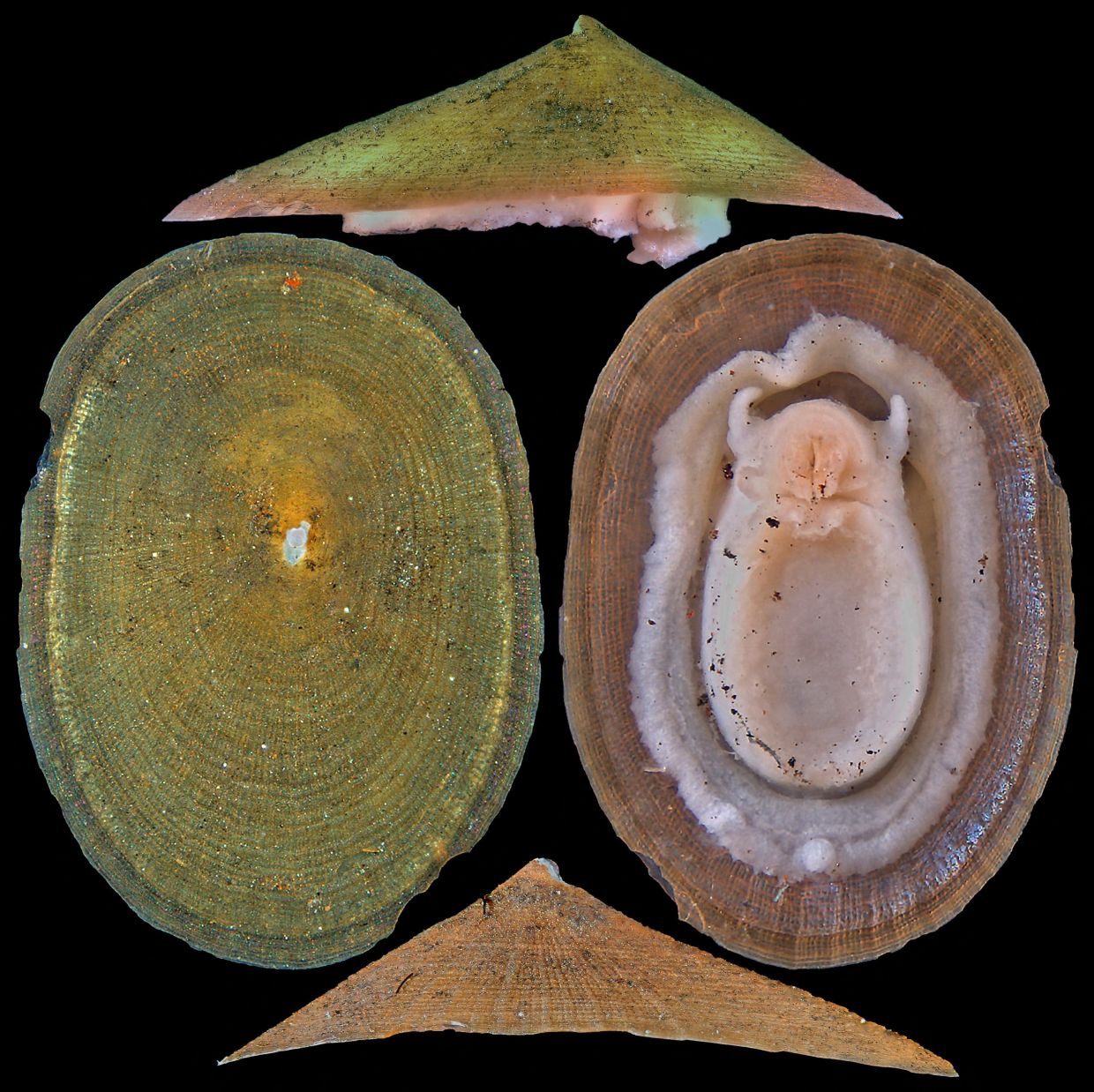
The International Union for Conservation of Nature sounded a fresh alarm over the environmental cost of deep-sea resource extraction, revealing that mining operations threaten to push more than half of all mollusc species dependent on hydrothermal vents towards extinction. The newly updated Red List of Threatened Species documents that 125 of the 201 known mollusc species inhabiting these extreme deep-ocean environments face serious extinction risk as a direct consequence of seabed mining activities targeting valuable minerals. The finding underscores growing tension between the global demand for rare earth elements and battery metals needed for renewable energy transition, and the preservation of unique ecosystems that have evolved over millions of years in Earth's most inhospitable regions.
The molluscs at risk represent only a fraction of the broader biodiversity crisis emerging from the updated Red List, which now encompasses 175,909 species across all taxonomic groups, an increase from 172,620 species documented in the previous edition. Of these, nearly 50,000 species have been classified as threatened with extinction, reflecting the accelerating pace of human-driven environmental degradation. The IUCN's systematic assessment reveals the compound effect of multiple stressors: habitat destruction, pollution, climate change, and increasingly, targeted resource extraction in previously untouched regions.
The threatened molluscs inhabit one of Earth's most extreme ecosystems, found exclusively at depths reaching 5,000 metres below sea level, where hydrothermal vents discharge superheated water exceeding 450 degrees Celsius into the frigid ocean darkness. Species living in these conditions include snails, limpets, mussels, clams and chitons—creatures that have evolved extraordinary physiological adaptations to thrive in an environment with no sunlight, crushing pressure, and toxic mineral-rich waters. Many of these species have only recently entered scientific catalogues within the past decade, meaning humanity's knowledge of their existence barely precedes the threat of their disappearance.
The mechanism of harm from deep-sea mining operations proves particularly damaging given the fragility of these isolated communities. When mining equipment disturbs the seabed, it generates sediment plumes that settle over vast areas, smothering the specialized organisms that depend on hydrothermal vent chemistry for survival. These sediment clouds impair the molluscs' ability to absorb essential nutrients from the vent fluids, disrupting the fundamental biological processes upon which their existence depends. The environmental impact extends beyond immediate physical damage—the cumulative stress of repeated disturbance undermines ecosystem resilience and the complex microbial and chemical relationships that sustain these remarkable communities.
Julia Sigwart, coordinator of the IUCN mollusc specialist group, characterised the situation as a critical juncture for the survival of these animals. The assessment arrives at a moment when commercial interest in deep-sea mining is intensifying, with multiple entities seeking licences to operate in international waters. Sigwart emphasised that these creatures represent one of the most acutely threatened animal groups on the planet, facing extinction pressures precisely when scientific understanding of their ecology remains limited. The gap between the acceleration of commercial activity and the pace of ecological research creates a fundamental asymmetry in conservation capacity.
IUCN leadership has previously taken a firm position on this issue, with the organisation voting in 2021 to support a moratorium on deep-sea mining pending the establishment of robust environmental protections. Grethel Aguilar, the IUCN's chief, used the updated Red List findings to reinforce this stance, noting the paradox that even creatures possessed of the most ingenious evolutionary adaptations find themselves powerless against industrial extraction. Her statement highlights a philosophical dimension of the crisis: life's capacity to colonise even the most hostile planetary niches offers no refuge when those niches themselves become targets for economic exploitation.
The updated assessment also documented the vulnerability of other species to specific resource extraction activities. The desert rain frog, a species that achieved prominence through social media imagery, has shifted from near-threatened to vulnerable status as a consequence of diamond mining and energy infrastructure development along the southwestern African coastline spanning South Africa and Namibia. Population modelling suggests that without intervention, these frogs will decline by a fifth over the coming decade, a rate of loss that leaves little margin for recovery. The case illustrates how habitat fragmentation from multiple industrial activities compounds extinction risk even for charismatic species capable of generating public interest.
Conversely, the update documented a conservation success story with Australia's numbat, a small marsupial also recognised by the colonial-era name banded anteater. The numbat's classification improved from endangered to near-threatened status, reflecting decades of dedicated protection and breeding programmes that have rebuilt the population from mere hundreds in the 1970s to current estimates between 2,000 and 3,000 individuals. This recovery demonstrates the fundamental principle underlying all conservation science: intensive, sustained, collaborative effort can reverse extinction trajectories even for species brought to the brink of disappearance.
John Woinarski, co-chair of the IUCN's Australasian marsupial and monotreme specialist group, drew explicit lessons from the numbat's recovery for broader conservation strategy. He emphasised that without continued strategic intervention, invasive predators—particularly introduced cats and foxes—will continue their ongoing decimation of Australia's endemic small marsupials and native rodents. The contrast between the numbat's recovery and the ongoing vulnerability of other species reflects disparities in conservation funding, political will, and social awareness. While the numbat benefits from established protection protocols and habitat management, countless other species lack equivalent institutional support.
For Southeast Asian observers, the deep-sea mining threat carries particular significance given the region's maritime boundaries and economic interests in marine resources. Several Southeast Asian nations possess maritime claims that overlap with areas under consideration for mining exploration, creating potential conflicts between resource development aspirations and ecosystem preservation. The IUCN findings suggest that any permitting of deep-sea mining activities in regional waters carries substantial ecological costs that may not be fully captured in cost-benefit analyses focused solely on mineral yields and economic returns.
The updated Red List reflects a broader pattern in which human economic activity increasingly penetrates previously remote ecosystems at accelerating speed. Advances in deep-sea technology have made resource extraction feasible in environments where the biological communities possess minimal resilience to disturbance. The mollusc findings exemplify how conservation decisions made in coming years will fundamentally determine whether these extraordinary ecosystems persist or vanish entirely within a generation.

