Education Minister Fadhlina Sidek has appealed to the public to extend compassion and sensitivity toward the family of a teenage student whose life came to an unexpected end at her school in Negeri Sembilan on Wednesday morning. The 16-year-old's passing has prompted authorities to treat the matter with appropriate gravity, while the ministry coordinates closely with investigating officers to establish the full circumstances surrounding the tragedy.
In her statement released through social media, Fadhlina expressed her condolences to the bereaved family, invoking traditional Islamic blessings as she acknowledged the profound loss they are experiencing. The minister's public remarks underscore the emotional weight such incidents carry within Malaysia's education system and the broader society that depends on schools to provide safe environments for young people. Her emphasis on religious observance and spiritual solace reflects the cultural context in which many Malaysian families process grief.
The incident has triggered an immediate police investigation, with the Education Ministry pledging its unreserved cooperation throughout the process. This coordinated response reflects standard protocol when student deaths occur on school premises, where multiple agencies must work together to determine whether any systemic failures, accidents, or other factors contributed to the tragedy. The involvement of law enforcement ensures that investigative procedures meet legal standards and that all evidence is properly documented.
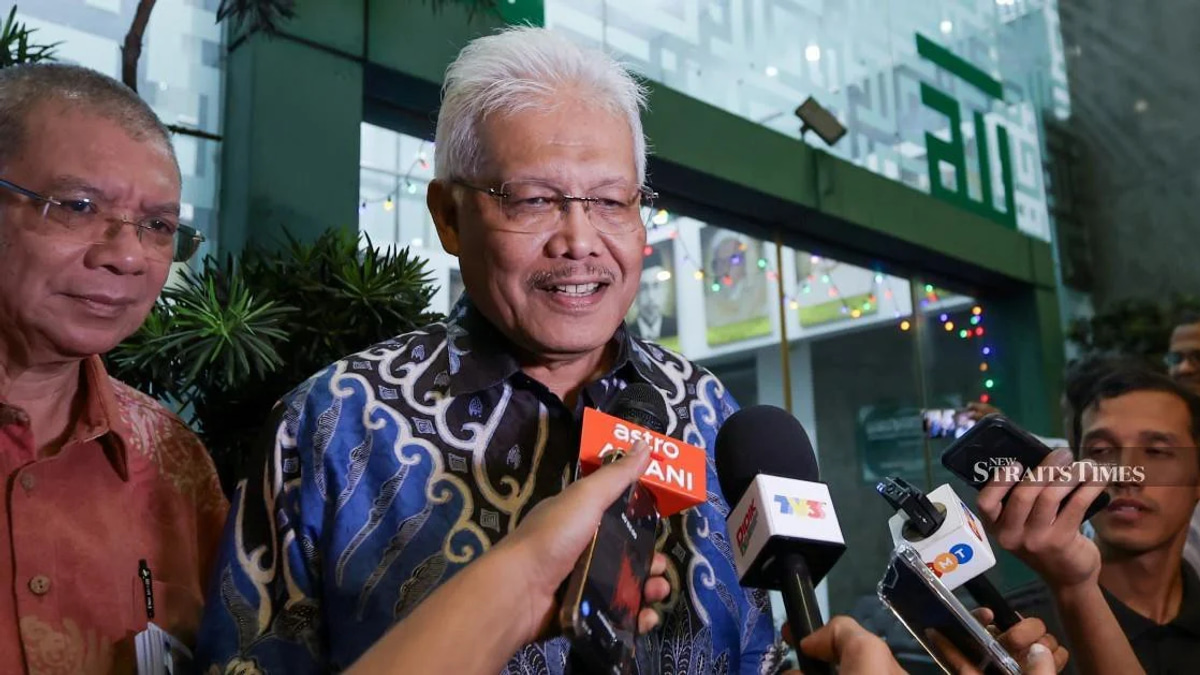
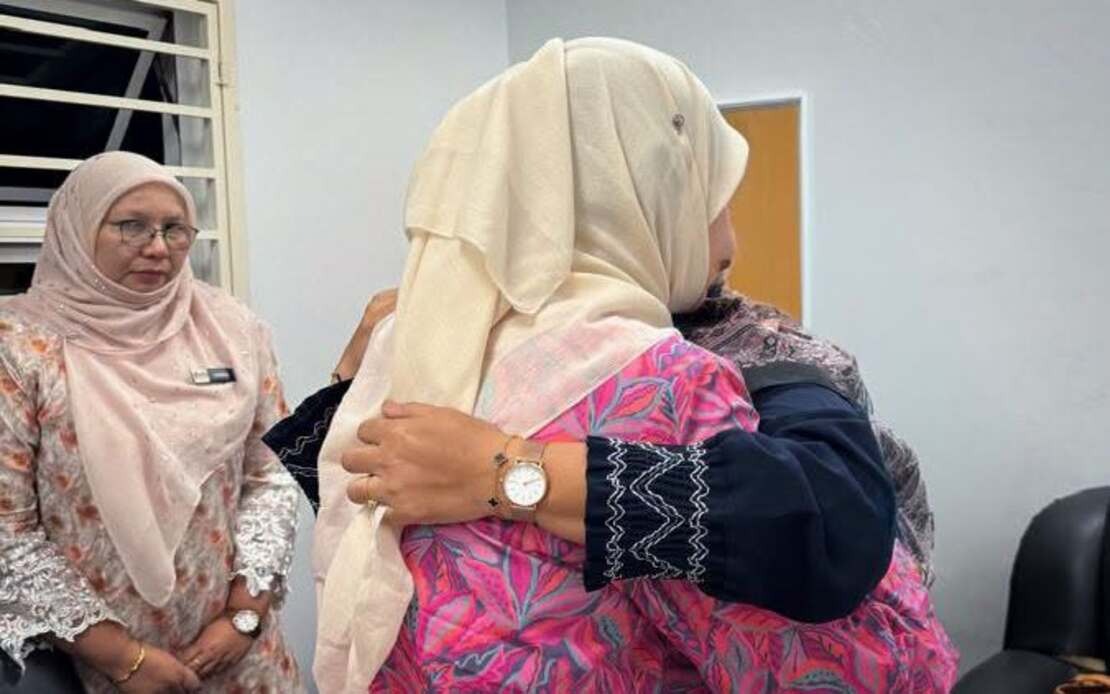
Fadhlina and Education Director-General Datuk Dr Mohd Azam Ahmad made a personal visit to Rembau Hospital to meet with the student's family, demonstrating institutional commitment to supporting those directly affected by the loss. Such visits serve multiple purposes: they convey official sympathy, allow government representatives to gather preliminary information about the circumstances, and signal that the family's wellbeing remains a priority for education authorities. These gestures, while symbolically important, also provide an opportunity for the ministry to explain what support mechanisms are available to grieving relatives.
The minister's call for public respect reflects a delicate balance that Malaysian society must maintain when tragic incidents occur involving minors. While transparency and public accountability remain vital for maintaining trust in educational institutions, the privacy and emotional vulnerability of grieving families warrant protection from intrusive speculation or sensationalism. The tension between these competing interests—the public's right to information and families' need for dignity during trauma—represents a recurring challenge in crisis management.
In the Malaysian context, student deaths at schools have historically sparked intense public scrutiny and, occasionally, premature conclusions about causation before investigations are complete. Fadhlina's messaging appears designed to preempt such speculation while authorities work to establish facts. This approach protects the investigative process from contamination by public pressure or misinformation that could spread rapidly through social media platforms.
The education sector remains acutely aware of its responsibility to provide safe, supportive environments where students can thrive academically and emotionally. When incidents result in loss of life, they inevitably raise questions about school safety protocols, mental health support, emergency response procedures, and wider systemic issues. However, these legitimate questions must be addressed through proper channels and evidence-based investigation rather than through public discourse that could further traumatise the family.
For schools across Malaysia, incidents of this nature serve as reminders that pastoral care and mental health support systems require continuous investment and refinement. Educational institutions must balance the practical demands of academic curricula with the equally vital responsibility to monitor student wellbeing and intervene when young people show signs of distress. The availability of trained counsellors, peer support networks, and clear referral pathways can mean the difference between identifying at-risk students and tragic outcomes occurring without warning.
As the investigation progresses, the Education Ministry faces the task of determining what lessons, if any, can be drawn to strengthen safeguarding measures within schools. This may involve reviewing emergency protocols, ensuring staff are adequately trained in recognising warning signs, and improving communication channels between students, parents, and school administrators. The findings will likely be scrutinised not only by education stakeholders but also by parents whose own children attend similar institutions throughout the country.
Fadhlina's appeal for sensitivity also carries an implicit message about responsible media coverage and public discourse during investigations. In an era where social media can amplify speculation and rumour within minutes, directing public attention toward compassion rather than conjecture serves important social functions. It establishes expectations that commentary should be measured and respectful rather than sensationalist or accusatory.
The coming weeks will be crucial as police complete their investigation and the Education Ministry conducts its own review of relevant circumstances. Depending on what is discovered, government announcements may address broader policy implications or confirm that the incident was a tragic accident beyond institutional control. Regardless, the family's need for space to grieve without additional public intrusion remains paramount, and Fadhlina's reminder of this principle sets an appropriate tone for how Malaysian society should respond to this tragedy.