Malaysia's automotive components and manufacturing specialist EPMB has delivered a striking financial turnaround, with second-quarter net profit rocketing nearly 19-fold as its strategic partnerships with Chinese carmakers begin yielding substantial commercial results. The company's quarterly revenue climbed 66.6 percent to RM212.7 million—the strongest performance in at least a decade—compared with RM127.7 million in the same period the previous year, signalling a fundamental shift in the company's growth trajectory and market positioning.
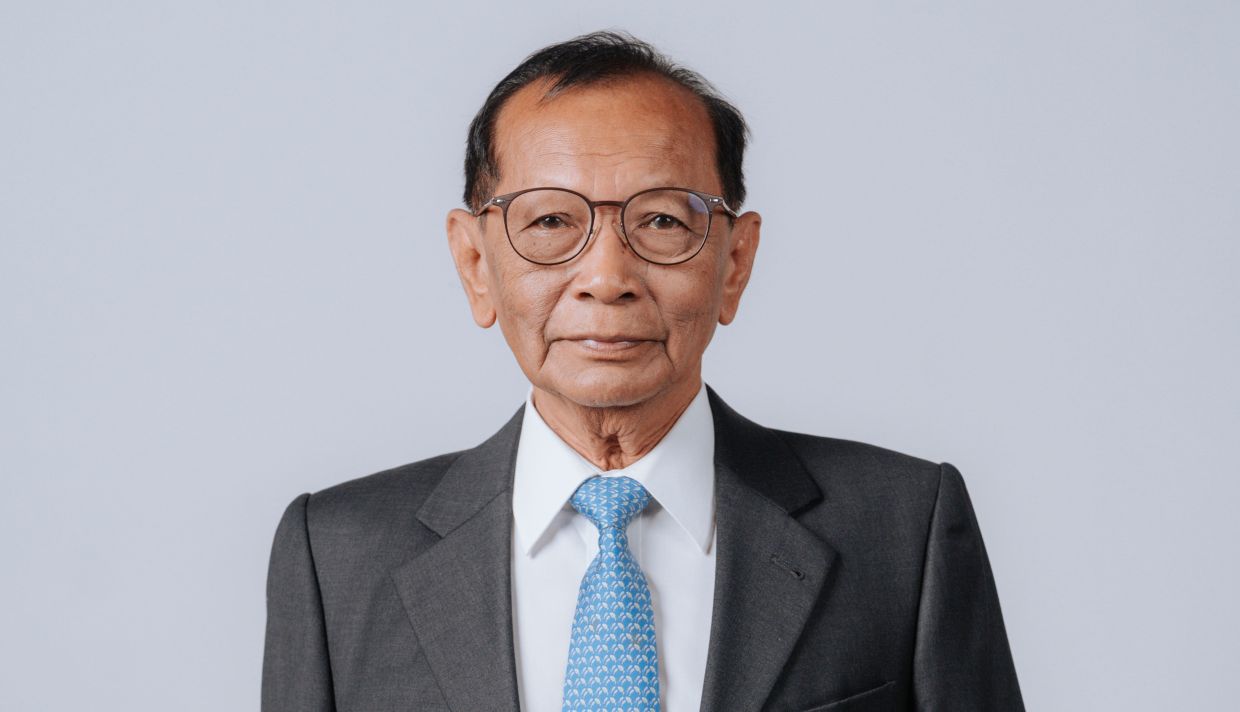
The remarkable revenue expansion reflects EPMB's decision to pivot towards collaborations with leading Chinese automotive manufacturers, a strategic move that has positioned the Kuala Lumpur-listed firm at the forefront of Malaysia's evolving automotive ecosystem. Executive chairman Hamidon Abdullah attributed the performance surge to the escalating production volumes flowing from the company's partnerships with Great Wall Motor (GWM), SAIC-MG, and electric vehicle maker XPENG. These collaborations have already reached a critical milestone: combined monthly automotive production has exceeded 1,000 vehicles, demonstrating that the partnerships have moved decisively from pilot programmes into mainstream manufacturing operations.
Earnings per share provide another indicator of the company's improved profitability, rising sharply to 1.80 sen from just 0.10 sen a year earlier. This tenfold increase in per-share earnings underscores that EPMB's growth is not merely driven by increased activity, but reflects genuine operational leverage and improved margins across its manufacturing portfolio. The company's first-half performance further validates this trajectory, with six-month net profit expanding to RM6.7 million from RM1.05 million year-on-year, while revenue for the same period jumped 47.2 percent to RM372.9 million from RM253.2 million. These consolidated results demonstrate consistency in the company's operational improvements rather than isolated quarterly strength.
The acceleration reflects EPMB's positioning within a broader transformation of Malaysia's automotive sector. As China's electric vehicle makers establish regional manufacturing footprints to circumvent trade barriers and serve growing Southeast Asian demand, local manufacturers like EPMB have become critical partners. The company's track record in automotive assembly, component manufacturing, and supply chain management has made it an attractive collaborator for Chinese brands seeking to localise production and reduce costs. This strategic alignment places EPMB at an intersection of Chinese industrial ambition and Malaysia's longstanding automotive manufacturing capabilities.
Looking ahead, EPMB management expects the growth trajectory to continue accelerating as new vehicle models from its partner manufacturers enter production cycles. The company's commitment to capacity expansion signals confidence in sustained demand—in June, EPMB commenced construction of a dedicated vehicle painting facility in Pegoh, Melaka, a significant capital investment that will enhance its manufacturing capabilities and reduce dependency on external suppliers. This facility represents a critical step towards achieving vertical integration, allowing EPMB to capture additional value-chain margin and offer more comprehensive manufacturing services to its global partners.
The new painting facility aligns with EPMB's broader strategic vision of evolving into a fully integrated automotive manufacturing partner rather than a simple component supplier. Vertical integration in the automotive sector typically yields improved quality control, faster production cycles, and better cost management—attributes that Chinese manufacturers value when establishing export hubs. By controlling more of the production process internally, EPMB can offer greater flexibility and responsiveness, competitive advantages that become increasingly important as export volumes scale across Southeast Asia and beyond.
Beyond the Chinese partnerships, EPMB is simultaneously strengthening its position with domestic carmakers. The company has recently secured new component supply programmes for upcoming Proton and Perodua models, demonstrating that traditional Malaysian manufacturers continue to view EPMB as a reliable partner even as the company expands internationally. Combined with its established seat manufacturing business, these domestic contracts provide revenue stability and mitigate concentration risk associated with relying solely on the Chinese partnerships. This balanced portfolio approach reduces exposure to any single customer or market dynamic.
The company's ambitions extend beyond immediate profitability. EPMB has articulated a broader mission to establish itself as a one-stop automotive manufacturing hub capable of serving global automotive brands while simultaneously supporting Malaysia's national ambitions to become a significant regional automotive production and export centre. This objective aligns neatly with government policy, where policymakers have increasingly emphasised Malaysia's potential as an alternative manufacturing base for companies seeking to diversify away from China or reduce supply chain concentration. EPMB's success in attracting Chinese manufacturers could itself become a model that attracts other automotive companies considering regional expansion.
The implications for Malaysia's broader economic development are noteworthy. Automotive manufacturing has historically anchored Malaysia's industrial base and provided high-value employment. As the sector evolves from traditional internal combustion engines towards electrification, having competent local manufacturing partners becomes essential for competing in the EV supply chain. EPMB's emergence as a capable intermediary between Chinese manufacturers and regional markets suggests Malaysia retains advantages in this transition. The company's growth may therefore catalyse additional investment from other automotive suppliers seeking to establish regional hubs.
From an investor perspective, EPMB's transformation from a modestly profitable components manufacturer into a growth-oriented integrated manufacturer demonstrates how strategic partnerships with global players can unlock shareholder value. The jump in earnings per share from 0.10 sen to 1.80 sen represents the kind of explosive value creation that equity markets typically reward, particularly when underpinned by visible capacity expansion and multi-year contract commitments. The company's capital investment programme, exemplified by the Melaka painting facility, suggests management retains confidence in the sustainability of current growth trends and expects substantial revenue expansion in coming periods.

