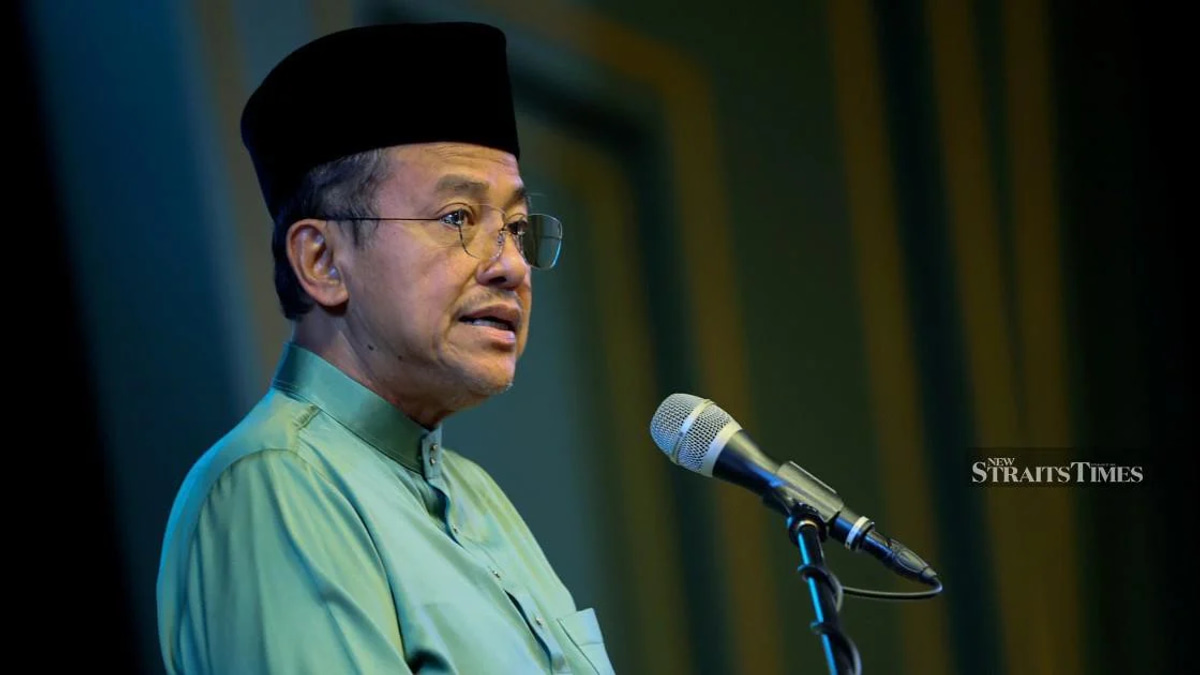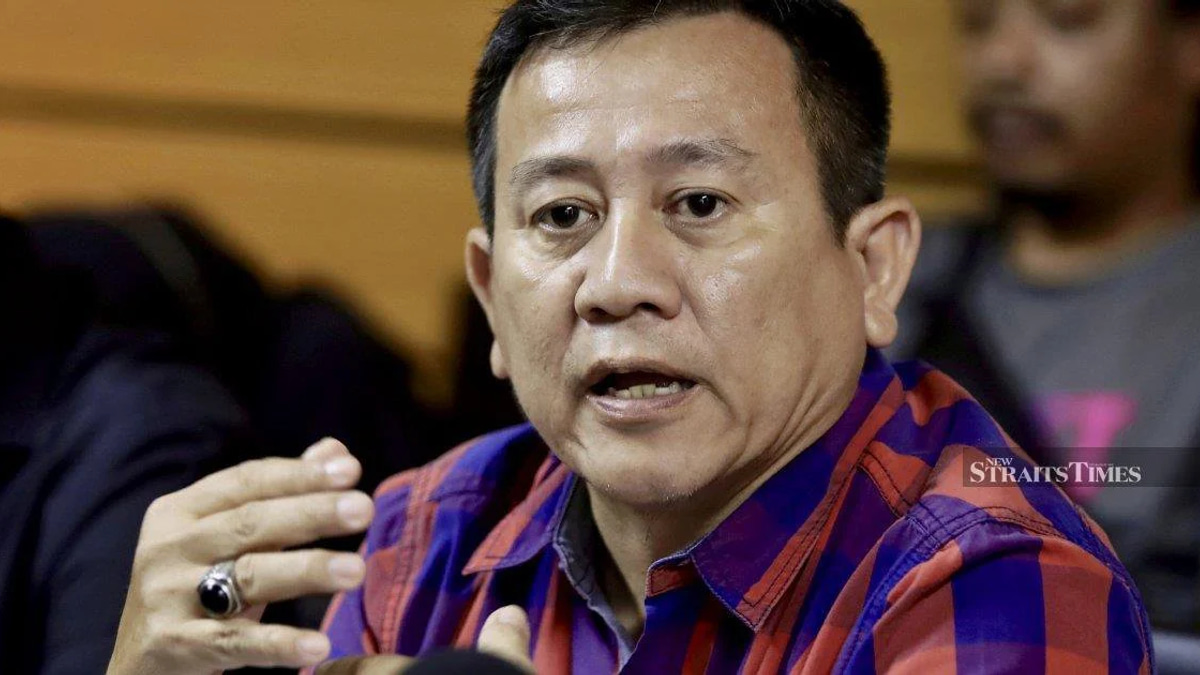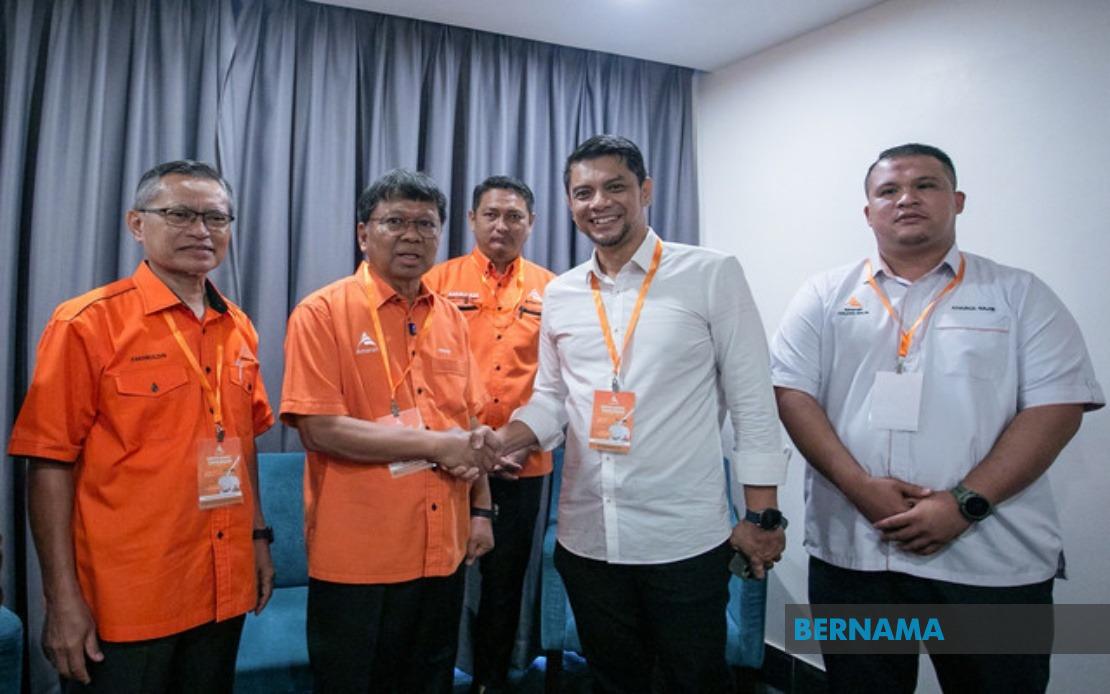
Hasnul Zulkarnain Abd Munaim, the former Titi Serong state assemblyman, has formally returned to Parti Amanah Negara following an absence spanning nearly six years, marking a significant moment in Perak's fractious political landscape. The readmission was officially endorsed during Amanah's National Management Meeting and National Leadership Meeting held on June 18, with Perak Amanah chairman Datuk Asmuni Awi confirming the decision in Ipoh on June 21. Hasnul Zulkarnain previously served as the party's state Youth chief, making his return symbolically important for an organisation seeking to rebuild its grassroots presence in Perak.
The circumstances surrounding Hasnul Zulkarnain's original departure in 2020 reflect the turbulent political shifts that characterised Malaysia's transition period following the federal government crisis. In March 2020, he announced his resignation from Amanah alongside two fellow legislators—Yong Choo Kiong from Tronoh and A. Sivasubramaniam from Buntong, both of the Democratic Action Party—to become independent representatives. This coordinated move occurred as Perikatan Nasional consolidated power at the state level, fundamentally reshaping Perak's political configuration and testing the loyalty of established opposition figures.
Within months of becoming an independent, Hasnul Zulkarnain joined Bersatu in July 2020, aligning himself with what was then the ascendant political force at both state and federal levels. His transition reflected broader patterns observed across Malaysian politics during the PN era, when parties restructured their alliances and numerous elected representatives switched affiliations to remain politically viable. The move appeared to represent a pragmatic calculation rather than an ideological rupture, as numerous former Amanah members pursued similar trajectories during this period of uncertainty.
However, political fortunes have shifted considerably across the ensuing years. The collapse of PN federal governance and the subsequent realignment of parliamentary coalitions have created new openings for parties like Amanah to rebuild. Asmuni's statement acknowledged that while Hasnul Zulkarnain had expressed interest in returning earlier, "the circumstances were not conducive" for the party leadership to entertain such applications. This phrasing suggests that Amanah's position was too weak or constrained during the interim period to afford former members the prospect of reintegration, implying that recent electoral recoveries or coalition developments have strengthened the party's hand.
The Perak Amanah chairman articulated a notably inclusive approach, noting that the party leadership now believes "the time is right to reconsider applications from former members who wish to return to Amanah, in line with the approach adopted by several other political parties." This statement carries particular weight in Malaysian political discourse, where party discipline and loyalty have traditionally been valued above other considerations. By adopting a measured reconciliation policy toward departing members, Amanah appears to be following a calculated strategy employed by competitors—perhaps suggesting that Umno, PKR, or other major parties have successfully reabsorbed their own returning members, thereby establishing a competitive advantage in organisational strength.
For Perak specifically, Hasnul Zulkarnain's return holds implications that extend beyond ceremonial significance. The state has remained intensely competitive between ruling coalitions, with Amanah serving as an important coalition partner in post-2022 governments. The absorption of experienced state-level figures, particularly those with prior assemblyman credentials, can meaningfully enhance party machinery, particularly for candidate selection and grassroots mobilisation in targeted constituencies. Titi Serong has maintained its significance in state politics, and a returning incumbent carries institutional memory and voter familiarity that newer recruits cannot easily replicate.
Amanah's reasoning for readmitting former members rests partly on the assertion that many departing members retain emotional attachment to the party's foundational mission and values. Asmuni contended that such individuals "still share the same loyalty and belief in the party's struggle," positioning their return not as a defeat for party discipline but as evidence of enduring ideological appeal. This framing allows the party to welcome returning members while maintaining that their departure was circumstantial rather than principled. It also suggests that Amanah views its political base as sufficiently cohesive to tolerate temporary defections without fundamental damage to party identity.
Hasnul Zulkarnain's own public statements emphasised gratitude toward the leadership and framed his readmission as validation of his capacity to contribute meaningfully to Amanah's future endeavours. This diplomatic language serves to smooth his re-entry, particularly for party members who might view his earlier departure with residual skepticism. Returning members often face internal suspicion regarding their commitment, and both Asmuni and Hasnul Zulkarnain appear conscious of the need to demonstrate that this transition reflects genuine political realignment rather than opportunistic positioning.
The timing of this readmission deserves scrutiny within the broader context of Malaysian electoral cycles and coalition politics. Federal elections remain constitutionally mandated for 2023 and beyond, while state elections in Perak have assumed unpredictable rhythms in recent years. By welcoming back experienced former representatives now, Amanah may be positioning itself for improved performance in forthcoming electoral contests. The party likely calculates that reconstituting its organisational bench with returning members who possess prior electoral experience and voter recognition provides marginal advantages in competitive constituencies where coalition performance has been variable.
This development also illustrates how Malaysian political parties navigate the tension between rigid institutional identity and pragmatic flexibility. Amanah's founding principles emphasised Islamic democracy and reform-oriented governance, yet the party has accommodated numerous tactical adjustments since 2018. The readmission of former members who departed under different political circumstances demonstrates that contemporary Malaysian politics increasingly prioritises coalition viability and organisational strength over maintaining ideological purity or punitive approaches toward departing members.
Regionally, Amanah's approach mirrors patterns visible in other Southeast Asian democracies where opposition and coalition partners have learned that maintaining organisational capacity sometimes requires accommodation of members whose loyalty is conditional on electoral competitiveness. Thailand, Indonesia, and the Philippines have all witnessed similar cycles of party members departing and returning as political prospects fluctuate. Malaysia's experience thus reflects broader regional patterns in which party systems remain fluid and responsive to shifting voter sentiment and coalition dynamics.
For Malaysian readers tracking Perak's political trajectory, Hasnul Zulkarnain's return signals both Amanah's growing confidence in its renewed coalition partnerships and the continuing instability that characterises state-level politics. The readmission of experienced former representatives suggests preparation for electoral contests, while the party's explicit openness to returning members indicates recognition that political alignment in contemporary Malaysia remains negotiable and responsive to changing circumstances. This flexibility, whether viewed positively as pragmatism or negatively as inconsistency, has become defining characteristic of Malaysian political competition.