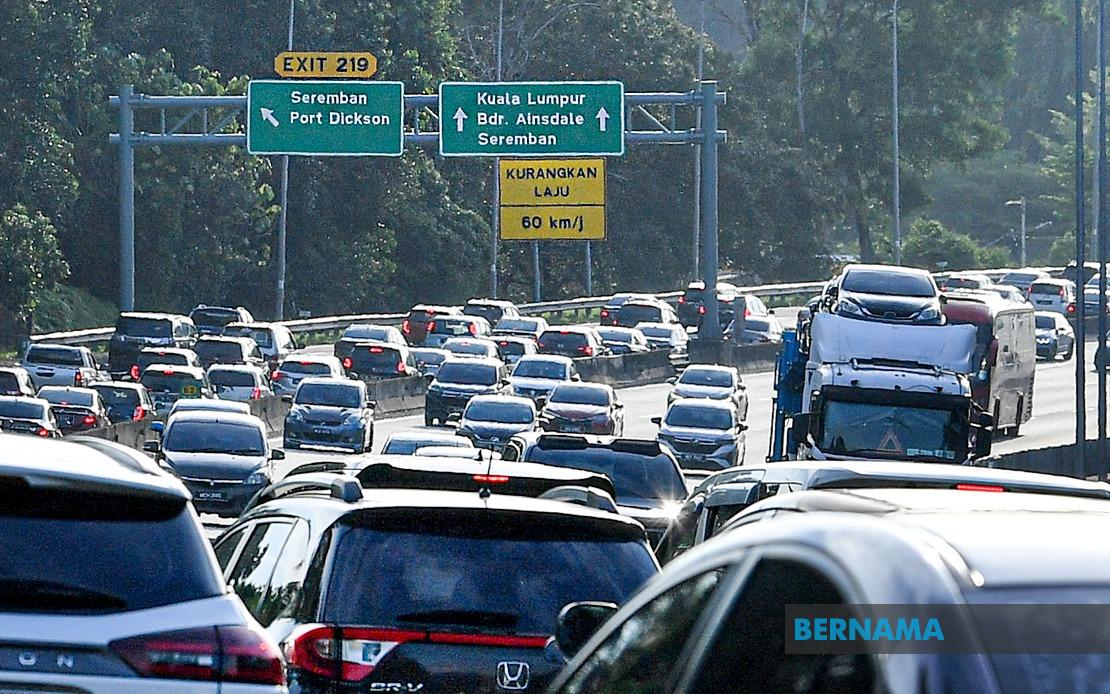
The Malaysian government has thrown its weight behind a significant overhaul of road traffic law that will force those responsible for fatal and injury-causing crashes to pay direct financial compensation to their victims. The Cabinet's decision to amend the Road Transport Act 1987 represents a pivotal shift in how the nation's justice system will hold negligent drivers accountable, moving beyond the traditional framework of imprisonment and monetary penalties to address the immediate financial devastation experienced by bereaved families.
Dr Zulkifli Hasan, Minister in the Prime Minister's Department (Religious Affairs), articulated firm support for the legislative initiative, framing it as a natural extension of ongoing efforts within his ministry to examine how Islamic principles on compensation—particularly the concept of diyat—can be integrated into Malaysia's civil law framework. Since February 11, his department has been collaborating with muftis and legal experts to explore this intersection between Syariah law and statutory reform. The proposed amendment would empower courts to impose compensation orders as a supplementary punishment distinct from existing sentencing structures, ensuring victims' families are not burdened with the cost and delay of pursuing separate civil claims.
Transport Minister Anthony Loke had previously announced the Cabinet's in-principle agreement to this legislative change, signalling the government's determination to tackle the epidemic of impaired driving and gross negligence behind the wheel. The focus on drunk driving, drug-impaired driving, and reckless behaviour reflects mounting concern about preventable tragedies that devastate families while allowing perpetrators to avoid meaningful financial responsibility for the harm they cause. By embedding compensation into the criminal sentencing process itself, authorities aim to streamline justice delivery and reduce the burden placed on grieving relatives to navigate lengthy civil litigation.
Dr Zulkifli's statement emphasised that offenders should face comprehensive financial accountability rather than what he characterised as an incomplete punishment through incarceration alone. He warned that crimes stemming from gross negligence—particularly those involving substances—represent transgressions that demand stringent societal response. The amendment would expedite justice for affected families by eliminating the procedural delays inherent in traditional civil court proceedings, allowing victims to access compensation through the criminal justice system within a unified timeframe. This approach acknowledges that financial recovery is integral to supporting families who lose breadwinners or face mounting medical expenses from serious injuries.
The Federal Territories Mufti, Ahmad Fauwaz Fadzil, added theological weight to the initiative by positioning it within Islamic jurisprudence. He highlighted that the diyat concept—rooted in Quranic principles—serves not merely as punishment but as reparative justice that upholds the sanctity of human life while securing victims' rights and financial security. In Islamic legal tradition, diyat represents recognition that harm caused by one person to another must be remedied through material compensation, a principle Ahmad Fauwaz argued harmonises with modern criminal justice objectives. The mufti emphasised that fair and comprehensive compensation mechanisms would enable families to rebuild their lives while simultaneously deterring future offenders through visible consequences that extend beyond imprisonment.
The Malaysian Syarie Lawyers Association (PGSM) signalled readiness to contribute technical expertise in drafting legislation that reflects both Syariah principles and practical legal requirements. PGSM president Musa Awang pointed to the pressing social problem of drivers operating under alcohol or drug influence, as well as those engaged in illegal street racing, noting that such conduct too frequently culminates in fatalities and severe injuries. The association recognised that swift, fair legal recourse benefiting victims without protracted civil proceedings aligns with Islamic jurisprudential objectives encompassing protection of life, preservation of rights, and prevention of harm—what Islamic scholars term maqasid syariah.
This legislative approach carries significant implications for Malaysia's road safety ecosystem. By tightening financial consequences for offenders, policymakers hope to strengthen deterrence for potential violators who might otherwise discount legal risks, particularly those with financial means who could previously absorb fines without behavioural change. The compensation mechanism recognises that families left without income earners face genuine hardship compounded by the trauma of loss, and that state-enforced financial responsibility represents a concrete form of justice that acknowledges this suffering.
For Malaysian drivers and their families, the amendment signals that road safety has become a priority reaching into criminal sentencing architecture itself. Rather than treating traffic offences as routine matters resolved through administrative processes, the government is elevating them to serious crimes with comprehensive consequences. This reflects evolving social expectations that recklessness endangering others' lives should trigger meaningful remediation, not merely detention.
The confluence of support from the Prime Minister's Department, Federal Territories religious authorities, and legal practitioners suggests coordinated advancement toward legislation. The involvement of Syariah experts indicates that Malaysia is attempting to craft a distinctively Islamic-informed approach to criminal justice reform, demonstrating how religious principles can inform contemporary law-making on matters affecting public welfare. However, implementation challenges remain regarding how courts will determine appropriate compensation levels, handle cases where offenders lack financial capacity, and coordinate between criminal and civil proceedings.
For regional observers, Malaysia's trajectory reflects broader Southeast Asian trends toward strengthening victim protections and recognising that traditional criminal penalties alone prove insufficient to address harm caused by serious negligence. The amendment also illustrates how predominantly Muslim nations can adapt Islamic legal concepts to modern statutory frameworks, potentially offering templates for other jurisdictions seeking culturally-grounded approaches to criminal justice reform.
As the legislative process advances toward drafting and parliamentary passage, stakeholders including vehicle insurers, law enforcement agencies, and victim advocacy groups will likely scrutinise implementation details. The success of this initiative will ultimately depend upon whether courts effectively determine proportionate compensation that genuinely alleviates victims' suffering without imposing impossible burdens on offenders' families, and whether the mechanism reduces both the incidence of negligent driving and the prolonged suffering of bereaved families awaiting justice.

