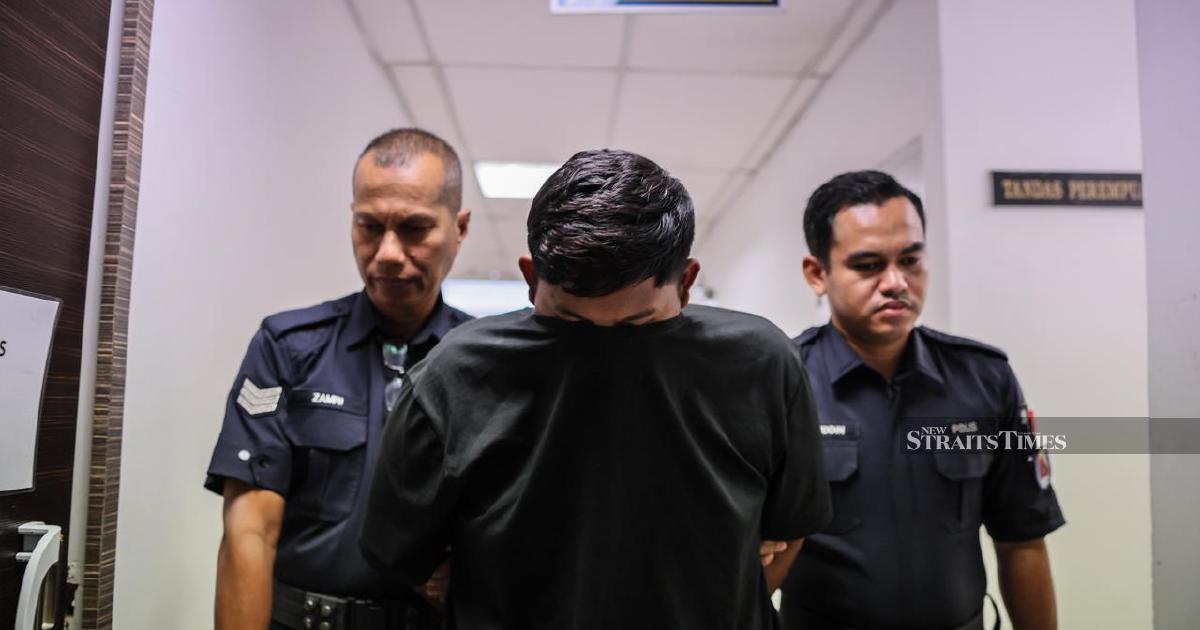
A man employed at a hardware retail outlet in Kuala Terengganu faced the Sessions Court today with serious allegations of sexual violence against a family member. The 25-year-old defendant entered a formal plea of not guilty to charges encompassing both rape and sexual assault, with the alleged victim being his biological sister, aged 16.
The case raises troubling questions about familial violence and child safety within the home environment. Such allegations strike at the heart of vulnerabilities within family structures, where victims often face unique obstacles in seeking help or reporting abuse. The age of the alleged victim makes this particularly concerning, as the law recognises adolescents as especially vulnerable to exploitation and harm. Malaysia's legal framework treats such offences with significant severity, reflecting the seriousness with which the courts regard crimes against minors and sexual misconduct.
Incest-related cases, though less frequently publicised than other crime categories, represent a persistent problem across Malaysia and the broader Southeast Asian region. They often remain hidden due to family shame, social stigma, and the victim's reluctance to involve authorities. Legal professionals have long noted that reported cases constitute merely the visible portion of a larger hidden crisis affecting many households. The visibility of this case in the court system suggests that the alleged victim or another family member summoned the courage to seek intervention from law enforcement.
The Sessions Court in Kuala Terengganu, which handles criminal matters in this tier of the Malaysian judiciary, will oversee the progression of these serious allegations. The court's responsibility extends beyond merely determining guilt or innocence; it must also consider the welfare and dignity of the alleged victim throughout proceedings. Malaysian courts have increasingly adopted victim-centred approaches, recognising that sensitive handling of such cases directly affects the psychological wellbeing of survivors and their prospects for recovery.
The defendant's employment as a hardware store worker provides a glimpse into the ordinary, everyday nature of such cases. Sexual violence does not discriminate based on occupation or social status, and individuals from all walks of life may perpetrate such crimes. This case underscores that predatory behaviour exists across all sectors of employment and all levels of society, challenging any assumption that such crimes occur only in specific demographic groups.
For Terengganu state, known more commonly in media coverage for maritime and tourism matters, this case represents a reminder of the criminal justice complexities that persist beneath the surface of daily provincial life. The state's legal apparatus must grapple with serious criminal matters affecting vulnerable family members whilst maintaining the presumption of innocence that underpins Malaysia's legal system. The presumption of innocence remains fundamental; the defendant's not guilty plea means he cannot be convicted unless the prosecution establishes its case beyond reasonable doubt.
The involvement of teenagers in such legal proceedings creates additional complexity. The court must balance the need for public justice and accountability with the psychological protection of a young alleged victim who may need to testify or participate in proceedings. Malaysian law provides certain protections for child witnesses, including provisions for closed-court testimony and the use of video link evidence, acknowledging the trauma associated with reliving abuse in an open courtroom.
This case will inevitably involve investigations by the Royal Malaysia Police, witness statements, and potentially psychological or medical evidence. The prosecution will need to establish a credible narrative of events, whilst the defence will presumably challenge the allegations and evidence presented. The judicial process, though sometimes lengthy, serves as the mechanism through which truth is determined and justice is administered according to law.
For Malaysian families and society more broadly, cases such as this generate important conversations about child safety, reporting mechanisms, and support services. Organisations working in family welfare and victim support acknowledge that many victims never come forward, suffering in silence. This case, whether it results in conviction or acquittal, may embolden other victims to seek help from authorities, hotlines, and support organisations dedicated to assisting survivors of sexual violence.
The proceedings in Kuala Terengganu Sessions Court will unfold through various court dates, evidence examination, and legal arguments. The eventual outcome will be determined by the judicial interpretation of law and the facts presented. Meanwhile, the case highlights the ongoing challenge facing Malaysian authorities and society to protect vulnerable individuals within family settings and to ensure that serious allegations receive proper investigation and just resolution through the courts.

