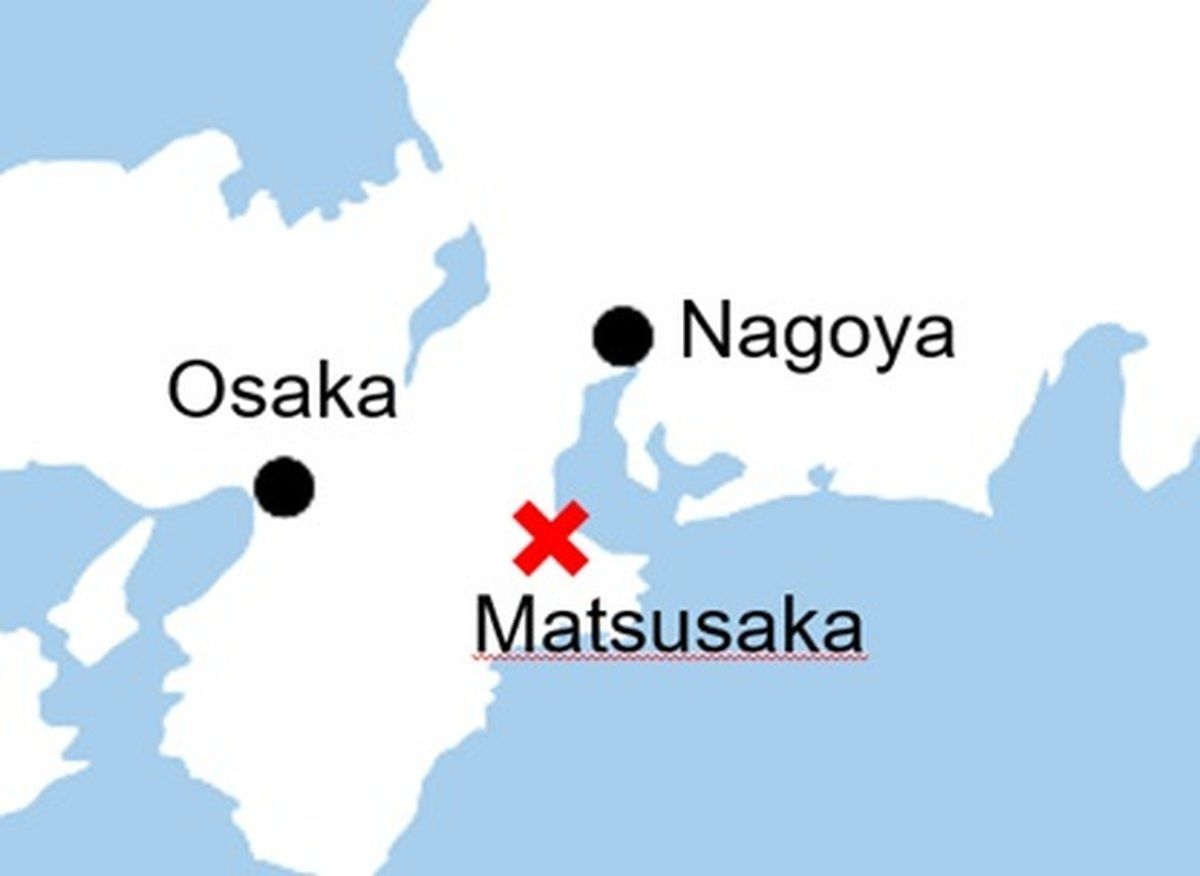
A 35-year-old resident of Matsusaka in Mie Prefecture, Japan, has been taken into custody after authorities alleged he confined his partner's five-year-old daughter inside a garbage can as punishment. The arrest came on Thursday, June 18, following an eight-week investigation that began when a child welfare center learned of the incident in late May. Police confirmed that the suspect has acknowledged the allegations against him.
According to law enforcement statements, the man transported the young girl to a garbage bin at his partner's residence in Mie Prefecture and placed her inside, securing the lid shut. The confinement occurred at approximately 6:30 pm on May 12. The child spent roughly five minutes trapped inside the container before being released. Remarkably, the girl sustained no physical injuries during the ordeal, though the psychological impact of such an experience raises serious concerns about her wellbeing and development.
The suspect characterised his actions as a form of discipline, a claim that has alarmed child welfare officials across Japan. This categorisation underscores a troubling perspective on punishment methods in some households, where extreme physical confinement is rationalised as parental correction. The incident highlights the cultural tensions in Japan surrounding traditional discipline practices and modern child protection standards, a debate that has intensified in recent years as awareness of child abuse grows.
The discovery of the incident came indirectly when a child welfare center became aware of what had occurred and promptly reported the matter to police on May 20, more than a week after the alleged confinement. This delayed reporting raises questions about whether other incidents had been observed or whether the centre had received complaints from teachers, neighbours, or other concerned parties in the community. The centre's swift decision to inform authorities demonstrated institutional commitment to protecting vulnerable children from potential ongoing harm.
In response to the investigation, authorities have extended protective measures beyond the immediate victim. The girl's older sister has also been taken into protective custody by the child welfare center, suggesting investigators harboured concerns about the broader family environment and the possibility of similar incidents involving other children in the household. This precautionary approach reflects contemporary understanding that abuse patterns often affect multiple family members and that early intervention can prevent escalation.
The case reflects broader concerns within Japan regarding child maltreatment and the evolving legal frameworks surrounding parental discipline. Japanese law has progressively tightened definitions of acceptable punishment, though enforcement remains inconsistent across prefectures. The Mie Prefecture case illustrates how vigilance from educational and social welfare institutions remains crucial in identifying and reporting suspected abuse before it causes permanent harm.
For Malaysian and Southeast Asian readers, this incident serves as a sobering reminder of the universal nature of child protection challenges across developed nations. While Japan maintains sophisticated social services infrastructure, cases like this demonstrate that even well-resourced societies struggle with preventing child maltreatment within family settings. The emphasis on early detection through institutional channels—in this instance, the child welfare center—underscores why cooperation between schools, healthcare providers, and community organisations proves essential in identifying at-risk children.
The timing of the welfare center's notification to police, which occurred eight days after the alleged incident, also raises practical questions about response protocols and information-sharing timelines. Rapid reporting mechanisms can mean the difference between a single incident and repeated abuse. The subsequent protective custody of the sibling indicates authorities took the situation seriously enough to assume potential ongoing risk, a judgement that prioritises child safety over assumptions of parental reform.
This arrest sends a clear message within Japanese society about the legal boundaries of parental discipline in the modern era. While cultural attitudes toward child-rearing practices vary significantly across Asia, the severity of confining a young child in such a manner transcends cultural context—it constitutes unlawful imprisonment of a minor. The suspect's admission of guilt simplifies the legal process but does little to address the fundamental question of how such thinking develops and how communities can better educate parents about appropriate discipline techniques.
The case also raises awareness about the vulnerability of children in blended family situations. The suspect was not the biological father but the partner of the child's mother, a dynamic that sometimes complicates reporting and intervention. Neighbours, teachers, and family friends who suspect abuse in such households may hesitate to report, fearing misunderstandings about their standing to interfere. Public education campaigns emphasising everyone's responsibility to report suspected child abuse prove particularly vital in these circumstances.
Moving forward, the Mie Prefecture case will likely inform discussions about child protection training for welfare centre staff and police, as well as mandatory reporting procedures across Japanese prefectures. The investigation's duration—from May 12 to June 18—provides an opportunity for stakeholders to evaluate whether detection and response times meet contemporary child safety standards. For regional observers, the case underscores that investment in institutional awareness, community reporting mechanisms, and swift protective intervention remains non-negotiable in any society committed to safeguarding its youngest members from harm.