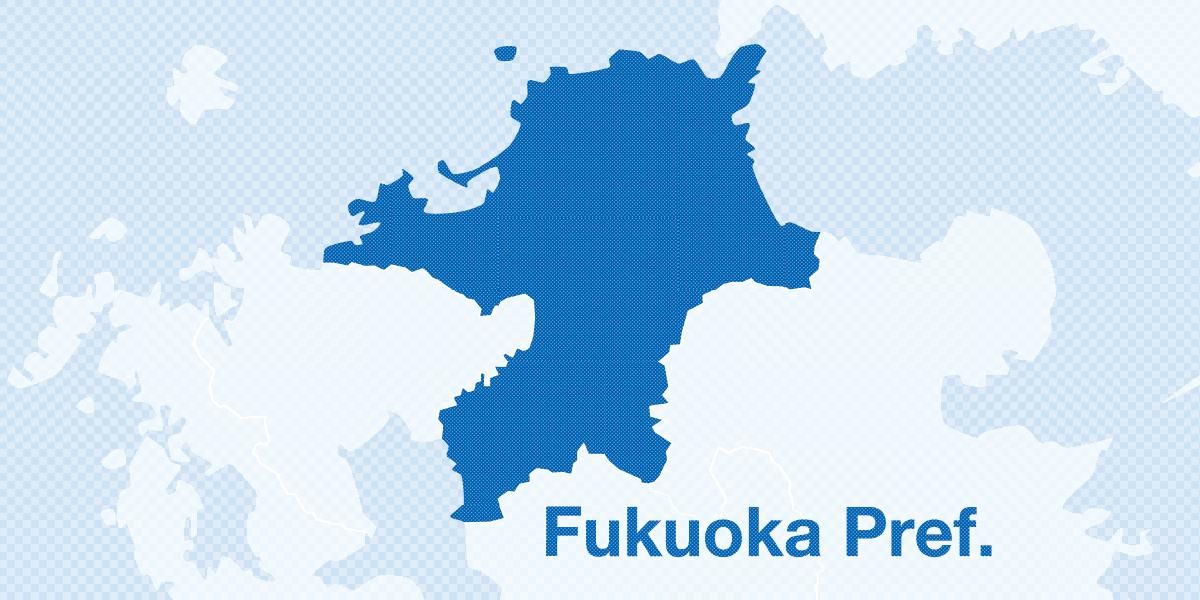
Police in Fukuoka Prefecture have arrested a 15-year-old boy on suspicion of arson following a fire at his home in Omuta that has raised fresh concerns about family violence and adolescent mental health in Japan. The teenager allegedly set the blaze at approximately 1:05 a.m. on Tuesday in what investigators believe was a calculated attempt to harm or kill his parents while they slept.
According to law enforcement accounts, the boy systematically prepared the fire by spreading what is suspected to be gasoline throughout the residence before igniting a cloth and hurling it onto the flammable liquid. The resultant fire spread rapidly through the dwelling, ultimately destroying the structure entirely. The boy's parents, both aged 51, managed to escape the burning home, though his father sustained significant burn injuries concentrated across his back and upper body. Despite the severity of the blaze and the dangerous circumstances, both parents survived the incident.
The arrest followed an unusual sequence of events in the hours immediately after the fire. Approximately one hour after fleeing the burning house, the teenager independently walked to a nearby police box in Omuta and confessed to setting the fire. This voluntary disclosure provided investigators with a direct account from the suspect and accelerated the investigation process. During questioning, the boy disclosed information that authorities believe provides crucial context for understanding his alleged motives.
According to police statements, the teenager attributed his actions to severe emotional and physical distress stemming from regular abuse inflicted by his father. The boy indicated that ongoing physical violence and mistreatment had created an unbearable situation that ultimately led him to attempt this extreme measure. This disclosure has prompted discussions among child welfare advocates and law enforcement officials about how family violence and childhood trauma can escalate to dangerous criminal behaviour, particularly among adolescents still developing psychologically and emotionally.
The incident reflects broader patterns of family violence documented across Japan, where instances of child abuse within households remain a persistent social challenge despite increasing public awareness. Research organisations and child protection agencies have consistently identified physical abuse as a significant risk factor for psychological trauma, depression, and in severe cases, violent behavioural responses from affected youth. The circumstances surrounding this case illustrate how adolescents experiencing abuse may resort to extreme actions, viewing violence as a desperate escape mechanism when they perceive no other viable alternatives.
Japanese authorities typically take such matters seriously, though responses vary depending on jurisdiction and specific circumstances. The involvement of parental abuse allegations adds complexity to this case, as prosecutors and judges must weigh the teenager's culpability against considerations of victimisation and psychological distress. Defense strategies in such cases often emphasise the defendant's history of abuse and corresponding mental state at the time of the alleged crime, seeking leniency through recognition of mitigating circumstances.
The destruction of the family home represents an additional dimension of this tragedy, as the family now faces both legal proceedings and the practical challenge of rebuilding their living situation. The father's injury further complicates matters, as medical recovery will likely impose both physical and financial burdens on the family during an already tumultuous period. The psychological impact on all family members—including the teenager, who may face juvenile justice proceedings and long-term consequences for his actions—should not be underestimated.
For Malaysian observers, this case underscores the importance of robust child protection mechanisms and accessible mental health services within educational and community settings. While Japan maintains relatively developed social services infrastructure, incidents like this demonstrate that even well-resourced societies struggle to identify and intervene effectively when vulnerable young people are experiencing severe abuse. Creating reliable channels through which abused children can seek help, coupled with swift intervention protocols, remains essential across all nations.
Juvenile justice systems across Asia face ongoing pressure to balance accountability with rehabilitation, particularly in cases involving young offenders whose criminal behaviour appears rooted in victimisation. Regional experts have increasingly advocated for trauma-informed approaches that recognise how childhood abuse shapes subsequent behaviour while maintaining appropriate consequences for harmful actions. This case will likely inform ongoing policy discussions within Japan regarding juvenile detention, psychological assessment protocols, and intervention strategies for at-risk youth in abusive family environments.

