Kuala Lumpur City Hall (DBKL) has announced a package of three administrative reforms designed to reduce bureaucratic friction and improve the operating environment for traders across Malaysia's capital. The measures, implemented following consultations with business associations and federal authorities, reflect a broader push to simplify licensing procedures while maintaining safety and public health standards. These changes come as Southeast Asian cities increasingly compete to attract and retain small and medium enterprises by reducing regulatory burden.
The first reform establishes a fixed monthly fee of RM30 per set for permits allowing tables and chairs on five-foot ways—a common sight in Kuala Lumpur's bustling commercial districts where outdoor seating extends business operations into public spaces. This standardization replaces what may have been a more opaque or variable fee structure, offering traders greater financial predictability when budgeting for permits. Applications proceed through DBKL branch offices organized by parliamentary constituency, with location suitability and five-foot way width serving as key approval criteria. Importantly, DBKL emphasizes that pedestrian access, wheelchair accessibility, and emergency vehicle movements must remain unobstructed—reflecting contemporary urban design principles that balance commercial activity with inclusive public space management.
The second improvement simplifies approval pathways for minor building works that pose minimal structural or safety risk. Tasks such as tile replacement or ceiling repairs no longer require formal permit applications; instead, traders need only complete a notification form submitted to their local DBKL branch. This streamlined process acknowledges the practical reality that countless small maintenance activities create unnecessary administrative overhead without meaningfully advancing public safety. By issuing permits directly at branch level, DBKL aims to expedite approvals for low-risk work while preserving rigorous scrutiny of complex projects involving structural changes. This approach mirrors administrative reforms undertaken by local authorities across Southeast Asia seeking to distinguish between genuine safety concerns and procedural formalism.
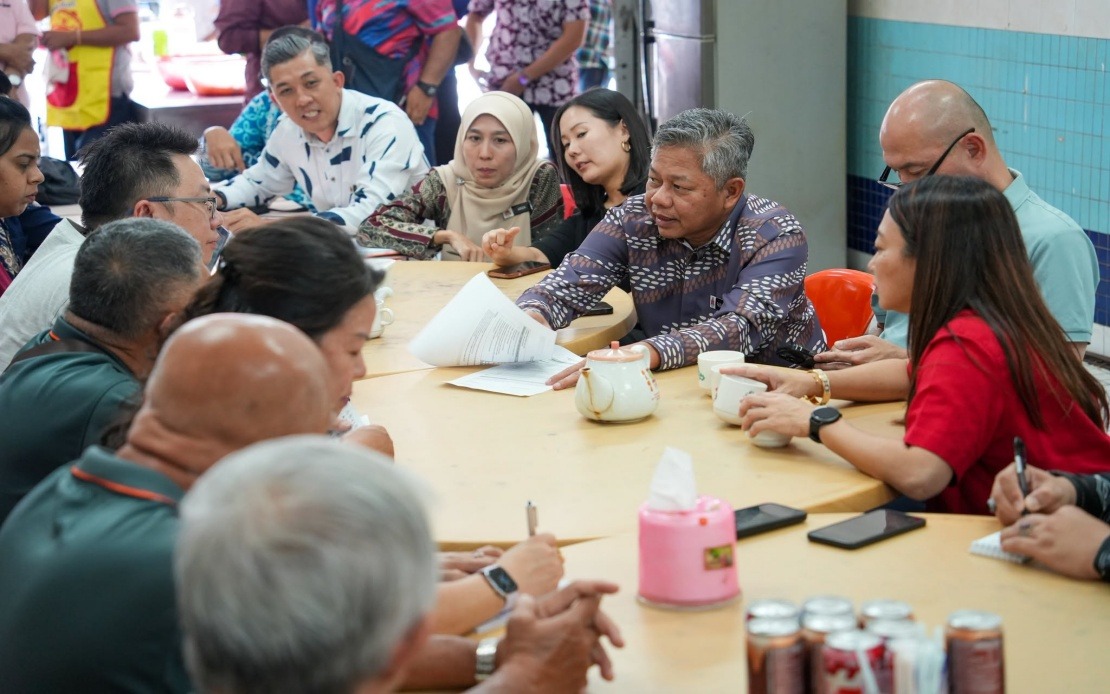
The third intervention addresses a persistent complaint from food business operators: the reopening timeline following hygiene-related closures. Previously, premises ordered shut for health violations faced potentially lengthy closure periods. Under the new framework, facilities may seek reopening approval as early as 24 hours after completing required cleaning procedures. However, this does not constitute automatic reopening; DBKL must conduct formal inspection and verify that all hygiene and food safety standards have been met before premises resume operations. This balance reflects awareness that extended closures impose severe economic hardship on small operators while overly rapid reopening risks public health. The measure gained traction following separate engagement sessions with the Selangor and Kuala Lumpur Chinese Coffee Shop and Tea Shops Owners' Association and the Malaysian Muslim Restaurant Owners' Association (PRESMA), whose members repeatedly raised concerns about closure procedures.
These reforms emerged from higher-level coordination involving Hannah Yeoh, Minister in the Prime Minister's Department (Federal Territories), Kuala Lumpur mayor Datuk Seri Fadlun Mak Ujud, and representatives from major business associations. This cross-sector engagement signals that federal, municipal, and private sector stakeholders are aligning around the principle that reducing unnecessary process complexity serves legitimate public goals. For Malaysian readers, this development matters beyond Kuala Lumpur; the capital's administrative practices often influence approaches adopted by other municipal authorities, and successful reforms here may establish templates for other cities wrestling with similar licensing bottlenecks.
DBKL's emphasis on standardization and clarity addresses a fundamental governance challenge afflicting many Southeast Asian municipalities: inconsistent application of rules at the branch level. When individual officers exercise significant discretion, otherwise identical businesses may face different approval timelines, fee interpretations, or enforcement intensity. By establishing clear, standardized processes, DBKL hopes to reduce both arbitrary outcomes and the perception of favoritism. This consistency simultaneously protects traders from unexpected variations and equips enforcement personnel with unambiguous guidelines, reducing potential corruption or selective enforcement. Such administrative discipline typically requires sustained institutional commitment and staff training—a broader undertaking beyond the policy announcements themselves.
For the estimated tens of thousands of informal and formal traders operating in Kuala Lumpur—from hawkers and small restaurant operators to independent shopkeepers—these reforms carry material implications. Reduced permit costs, faster approvals, and accelerated closure remediation procedures collectively lower the time and expense of navigating regulatory compliance. This particularly benefits low-margin, cash-flow-sensitive operations that cannot easily absorb extended administrative delays or unexpected fees. Malaysian economists studying regulatory burden have consistently found that simplification measures, especially when combined with fee reductions, modestly but measurably increase business formation and survival rates among smaller enterprises. The ripple effects may include marginal increases in employment and consumer choice as more viable enterprises can sustain operations.
The three reforms also reflect DBKL's understanding that business-hostile administration drives economic activity underground. When formal compliance becomes excessively burdensome, otherwise law-abiding traders may operate informally, avoiding permits and inspections entirely. This erodes tax revenue, complicates hygiene enforcement, and benefits neither businesses nor public authorities. By lowering compliance barriers, DBKL creates incentives for traders to work within the system, enabling more effective health and safety monitoring. This alignment of regulatory incentives with desired behavior represents a practical application of public administration principles increasingly recognized across Asia.
Implementation will determine whether these announced improvements translate into tangible change. Municipal bureaucracies often resist procedural simplification due to institutional inertia, understaffing, or inadequate training. Branch-level DBKL officers must receive clear guidance, training, and performance accountability to ensure consistent application of the new standards. Without sustained administrative follow-through and perhaps performance management tied to application processing timelines, the reforms risk becoming rhetoric disconnected from street-level reality. Monitoring mechanisms and transparency—such as publicizing average approval times or complaint procedures—would strengthen credibility and identify implementation gaps.
For the broader Southeast Asian context, DBKL's reforms illustrate how mid-sized capital cities are modernizing administrative approaches to remain competitive. With digital services, e-commerce, and remote work reshaping urban economies, cities that maintain cumbersome licensing regimes risk losing entrepreneurial talent and investment to more business-friendly jurisdictions. Kuala Lumpur's reputational standing as a regional business hub depends partly on the practical ease of operating here. These three targeted reforms signal recognition of that reality, though sustained, genuine simplification—not merely symbolic gestures—will ultimately determine success.
Looking forward, the effectiveness of these measures will likely inform subsequent rounds of administrative review. DBKL and other Malaysian local authorities will presumably monitor impacts on business registration, closure rates, health compliance, and trader satisfaction. If the reforms deliver tangible benefits without compromising public health or safety, they may expand into other licensing domains. Conversely, any problems that emerge—such as unsupervised compliance lapses or monopolistic rent-seeking—will necessitate refinement. This iterative approach to regulatory design, grounded in continuous feedback from actual users, represents a maturation of how Southeast Asian cities approach governance modernization.

