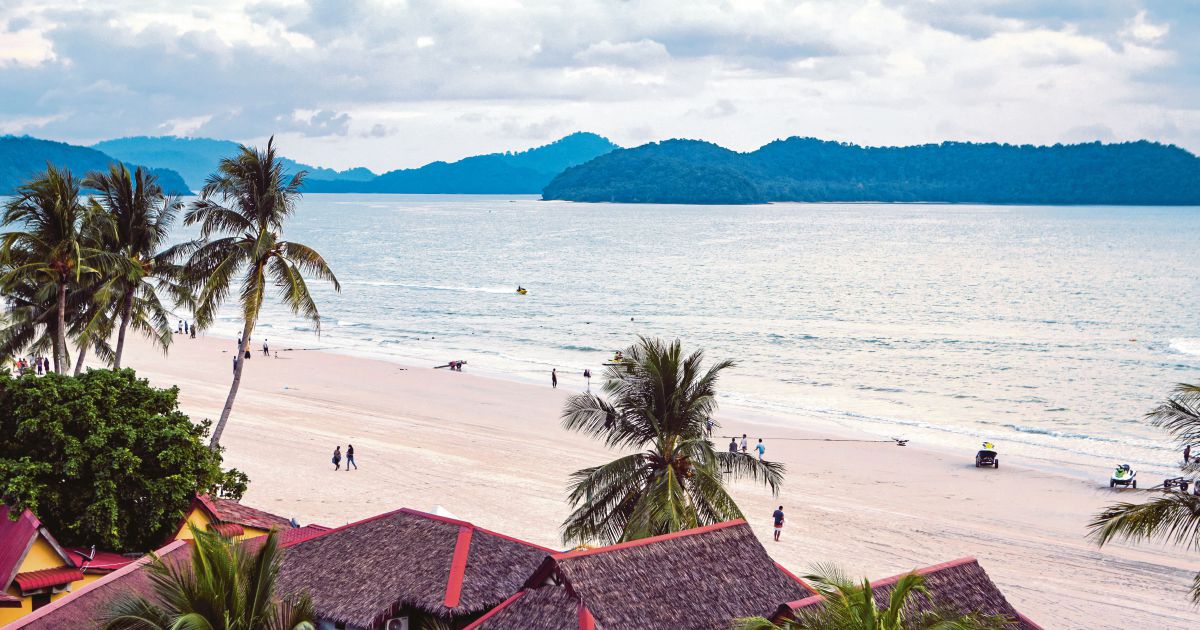
Langkawi, one of Malaysia's flagship tourism and investment destinations, has underperformed relative to its considerable advantages, according to Tun Dr Mahathir Mohamad, the former prime minister who championed its development decades ago. Speaking in the island district, Dr Mahathir expressed concern that Langkawi has realised merely half its potential since gaining duty-free status nearly forty years earlier, a milestone that was supposed to transform it into a premier destination attracting visitors and investment from across the world.
The duty-free designation was intended to serve as a catalyst for economic development, offering distinct commercial and retail advantages that would differentiate Langkawi from other Malaysian destinations and competing regional attractions. By removing customs duties on imported goods and lowering consumption taxes, policymakers hoped to create a shopping and business environment comparable to global free-trade zones. This framework should have positioned the island as an irresistible draw for international shoppers, entrepreneurs, and tourists seeking value and convenience, particularly for visitors from neighbouring countries.
Despite these structural advantages, Langkawi has not achieved the dominant market position that its creators envisioned. The former premier's assessment reflects a broader concern about underutilised potential within the island's infrastructure, governance, and promotional strategies. Several factors may explain this gap between aspiration and achievement, including inconsistent marketing efforts, infrastructure bottlenecks, and the emergence of rival destinations both within Malaysia and across Southeast Asia that have more aggressively pursued tourism and investment opportunities.
Regional competitors have become increasingly sophisticated in attracting the same demographic of travellers and businesses that Langkawi was designed to capture. Thailand's island destinations, Indonesian tourism hubs, and newer developments in neighbouring countries have successfully competed for visitors by offering comparable or superior amenities, entertainment options, and value propositions. These destinations have often invested heavily in world-class hotels, restaurants, and attractions, while simultaneously maintaining competitive pricing that can undercut established players resting on historical reputation rather than continuous innovation.
Within Malaysia itself, other duty-free and free-trade zones have also diluted Langkawi's unique selling proposition. The proliferation of shopping outlets, factory stores, and discount retailers across the peninsula has reduced the exclusivity and appeal of making a special journey to the island specifically for shopping purposes. Additionally, rapid changes in global retail patterns, particularly the rise of e-commerce and international online shopping platforms, have fundamentally altered consumer behaviour and reduced the traditional advantages that physical free-trade zones once commanded.
Infrastructure development has been another area of concern, with critics pointing to the need for enhanced transportation connections, modernised facilities, and improved visitor experience offerings. While Langkawi has seen investment in hotels and resorts, the supporting ecosystem of attractions, activities, and services must continue evolving to meet international standards and changing tourist preferences. Travellers today seek integrated experiences combining shopping, dining, cultural engagement, recreation, and wellness rather than single-purpose visits focused solely on acquiring duty-free goods.
Dr Mahathir's remarks suggest that achieving the remaining fifty percent of Langkawi's potential will require renewed strategic focus and coordinated effort among government agencies, private investors, and tourism operators. Successful development will depend on leveraging the island's natural beauty, cultural heritage, and geographic position while simultaneously modernising its infrastructure and promotional approach. The island possesses inherent advantages, including pristine beaches, biodiversity, accessibility, and established hospitality infrastructure, which provide a foundation for revitalisation.
The government and stakeholders must consider whether current policies and investment levels are adequate to compete effectively with regional peers. Strategic decisions about infrastructure priorities, taxation frameworks, regulatory efficiency, and marketing budgets will determine whether Langkawi can recapture momentum and justify its historical significance in Malaysia's tourism strategy. The duty-free status alone is insufficient; it must be complemented by world-class services, attractions, and overall visitor experience that encourage repeat visits and positive word-of-mouth recommendation.
Furthermore, Langkawi's development trajectory has implications for Malaysia's broader tourism ambitions and regional positioning. As a nation competing for international visitor expenditure and investment capital, Malaysia's performance in developing flagship destinations like Langkawi affects the country's reputation and competitiveness. Underperformance in this marquee location sends signals to investors and tourism planners about the government's capacity and commitment to destination development, potentially influencing decisions about other projects and regions.
Dr Mahathir's assessment also reflects the challenges inherent in sustaining competitive advantage in a dynamic global marketplace. What appeared revolutionary and differentiated four decades ago requires constant reinvention to remain relevant. The island must actively innovate in its offerings, continually invest in quality enhancement, and maintain marketing presence commensurate with its ambitions. Without proactive management and strategic investment, historical advantages can gradually erode as competitors leapfrog with newer, more sophisticated developments.
Addressing the underperformance will require honest evaluation of past strategies, frank acknowledgment of competitive pressures, and bold commitment to necessary changes. Stakeholders must assess whether current governance structures, funding mechanisms, and coordination efforts are sufficient to drive the island's next phase of growth. The foundation has been laid through the duty-free framework and existing infrastructure, but realising the remaining potential demands renewed vision, increased resources, and strategic clarity about Langkawi's distinctive market positioning within the regional tourism landscape.

