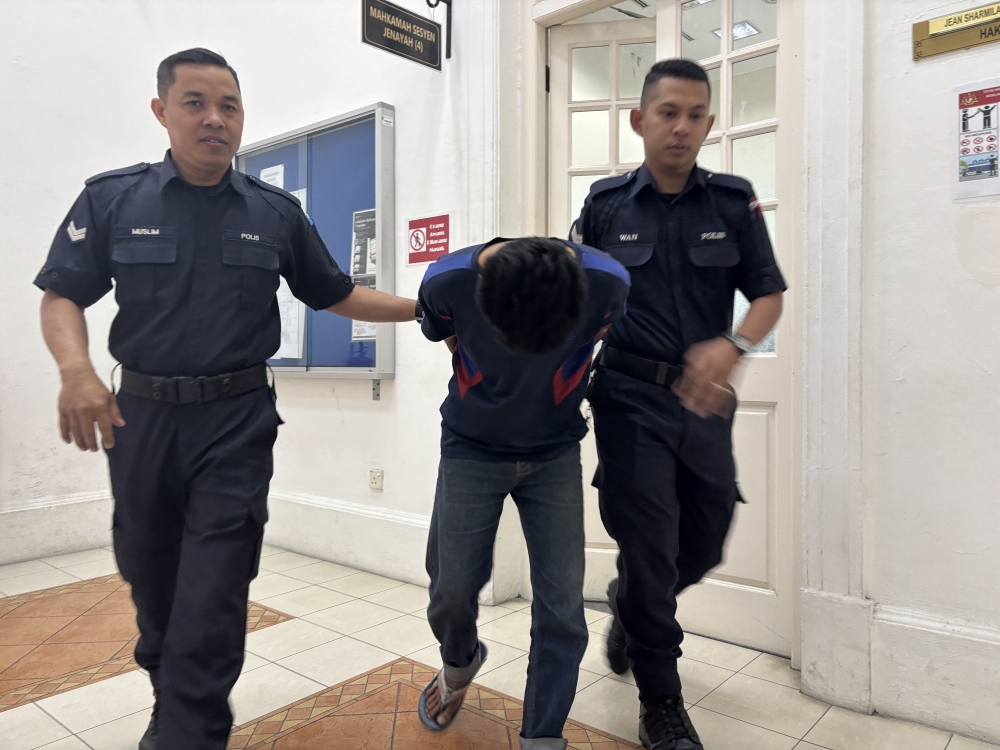
A 47-year-old lorry driver made an appearance before the Sessions Court in Ipoh on August 6, confronting 21 serious charges arising from allegations of sexual assault directed at two of his daughters. The charges underscore the gravity of the accusations, with the court hearing evidence and arguments regarding bail conditions for the accused. The matter has drawn attention to child protection protocols in Perak, particularly in the Seri Iskandar area where the alleged incidents are said to have occurred.
The criminal proceedings represent a significant development in what authorities describe as a case requiring thorough judicial examination. The defendant's legal representation and the prosecution presented their respective positions to the court, with particular focus on whether the accused should be granted bail pending trial. The Sessions Court judge carefully weighed the seriousness of the charges, the nature of the allegations, and factors affecting public safety in reaching a determination on bail.
Child sexual abuse cases in Malaysia carry considerable weight within the criminal justice system, reflecting both statutory penalties and societal concern for vulnerable individuals within family structures. The volume of charges filed in this instance—21 separate counts—suggests a pattern of alleged conduct spanning multiple occasions or incidents. This approach by prosecutors is consistent with how authorities handle cases where repeated abuse is alleged, with each instance potentially forming the basis of distinct charges.
The case touches on broader concerns within Malaysian society regarding domestic violence and child protection. Seri Iskandar, a town in Perak's Hulu Selangor area, has not been spared the social issues affecting communities nationwide. Family violence incidents frequently go unreported due to shame, fear of repercussions, or lack of awareness regarding available support services. The fact that charges reached the court stage indicates either formal complaints were lodged or authorities discovered evidence through other channels—possibly following welfare checks or hospital visits.
Penal provisions addressing sexual assault are outlined primarily under the Penal Code, with courts in Malaysia exercising jurisdiction over such matters as matters of grave concern to the state. The Sessions Court, where this case is being heard, possesses the authority to hear and determine serious criminal offences, though defendants retain rights to appeal decisions to higher courts. The legal framework governing these proceedings ensures procedural fairness while protecting victims, a balance courts continuously navigate in sensitive family-based crime cases.
Bail conditions in such cases typically reflect the court's assessment of flight risk, likelihood of further offences, and public safety considerations. Courts frequently impose stringent conditions when sexual abuse allegations involving minors are involved, recognising both the severity of charges and the vulnerability of alleged victims who may fear continued exposure to the accused. The presence of two daughters as alleged victims complicates the bail question considerably, as judges must weigh competing interests of justice, public protection, and the accused's constitutional rights.
The charging of family members in sexual abuse cases presents distinct challenges for Malaysian authorities and support services. Victims who are children face complicated emotions when prosecution unfolds against a parent or guardian, particularly regarding feelings of safety, family disruption, and potential trauma from legal proceedings. Social welfare agencies, typically the Jabatan Kebajikan Masyarakat, work alongside courts to ensure victims receive counselling and protection measures, though resource constraints sometimes limit service provision across Perak's districts.
The case arrives amid ongoing national conversations regarding child safety and institutional accountability. Recent years have witnessed greater public awareness of child abuse through media coverage and advocacy campaigns by non-governmental organisations. This heightened consciousness has contributed to increased reporting and prosecution, though the actual prevalence of such abuse—both reported and unreported—remains concerning. Malaysia's commitment to international child protection standards, including the Convention on the Rights of the Child, shapes legislative frameworks and judicial approaches to such matters.
For the court system in Perak, cases of this magnitude demand careful management of evidence, victim testimony, and procedural integrity. The Sessions Court judge presiding over the matter must ensure that the accused's rights to fair trial are maintained whilst simultaneously protecting vulnerable witnesses from secondary trauma during the judicial process. Video-recorded interviews and sensitive examination procedures are sometimes employed in Malaysian courts handling child abuse allegations, though implementation remains inconsistent across jurisdictions.
As the case progresses through the legal system, several procedural milestones await: preliminary inquiry stage, potential trial date, and eventual verdict. Each stage provides opportunities for plea negotiations, though such matters in sexual abuse cases are approached with considerable caution given public policy interests. The final outcome will likely influence sentencing frameworks applied in comparable cases within the district, as judicial precedents shape future applications of law in Perak's courts.
The broader implications of this case extend beyond the immediate parties involved, touching questions of how Malaysian society addresses domestic violence, child protection mechanisms, and the role of the criminal justice system in safeguarding vulnerable populations. Community-level prevention initiatives, enhanced training for frontline workers in education and healthcare sectors, and public awareness campaigns collectively contribute to creating environments where child abuse becomes more difficult to perpetrate and easier to report. This particular case, prosecuted within Perak's judicial system, thus forms part of larger systemic efforts to strengthen protections for Malaysian children.

