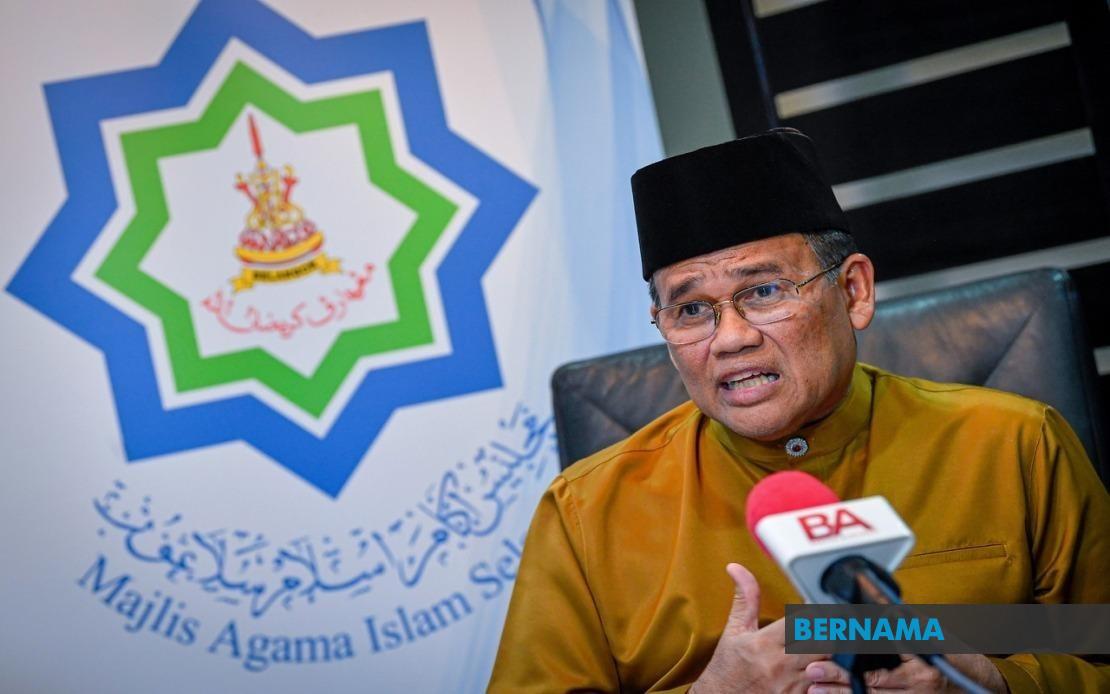
The Selangor Islamic Religious Council (MAIS) has moved swiftly to address mounting concerns over a burial delay controversy that has sparked public disquiet and multiple police investigations. The council has directed all relevant parties—including the bereaved family, officials from Masjid Nurul Hidayah in Kampung Pandan Dalam, the Salatulrahim Welfare Organisation (BKS), and the Selangor Islamic Religious Department (JAIS)—to convene urgently to find a resolution. The incident, which centred on alleged delays in laying to rest a deceased individual at Ukay Perdana Muslim Cemetery in Hulu Kelang, has exposed potential gaps in how Islamic funeral procedures are managed across mosque-led operations in the state.
MAIS chairman Datuk Salehuddin Saidin articulated the council's commitment to achieving equitable outcomes for all stakeholders while preventing recurrence of similar failures. In his formal statement, Salehuddin stressed that the organisation extends profound sympathies to the grieving family, acknowledging the particular anguish experienced when burial procedures—a cornerstone of Islamic practice—become delayed during an already traumatic period. His measured but resolute tone reflected the sensitivity surrounding the matter, which touches on both procedural efficiency and religious observance.
Central to MAIS's response is an undertaking that any party identified as culpable through police investigation will face appropriate consequences. Salehuddin explicitly stated that accountability measures will apply regardless of whether misconduct involves criminal behaviour, negligence, or simply inadequate communication between organisations responsible for funeral arrangements. This forthright stance signals that MAIS will not permit bureaucratic failures or inter-organisational friction to compromise families' right to timely, dignified burials.
The council has noted the preliminary investigation findings released last Saturday by JAIS director Datuk Mohd Shahzihan Ahmad, based on initial accounts from the mosque's management. Critically, however, MAIS has acknowledged that the mosque authorities, the bereaved family, and the BKS have each lodged separate police reports regarding the incident. This fragmentation of complaints suggests potential disagreement over responsibility and circumstances—a dynamic that underscores why an inclusive, neutral meeting becomes necessary to establish a complete picture.
Recognising the importance of procedural transparency, Salehuddin urged all parties to allow police investigators to work without interference or prejudgement. This appeal reflects broader concerns in Malaysian governance about maintaining public confidence in independent investigations, particularly where religious institutions and public procedures intersect. By calling for restraint from public commentary while inquiries proceed, MAIS is attempting to prevent the matter from fracturing along sectarian or organisational lines.
Beyond the immediate crisis, MAIS has committed to a comprehensive review of how Muslim funeral and burial protocols are executed by mosque management committees throughout Selangor. This initiative suggests the council recognises systemic vulnerabilities rather than treating the incident as isolated. By identifying improvement areas in current procedures, MAIS aims to embed safeguards ensuring future deceased individuals receive responsible, timely care aligned with both Islamic jurisprudence and modern administrative standards. Such procedural refinement is particularly important given the emotional vulnerability of bereaved families and the religious significance of swift burial in Islamic tradition.
The council's commitment extends to ensuring that funeral management operates with full integrity and compliance with Islamic law requirements, addressing not merely the bureaucratic dimensions but the spiritual obligations that underpin these practices. This holistic approach—combining accountability with process improvement—reflects an understanding that public trust in religious institutions depends on meeting both procedural and ethical standards. For Malaysian Muslims navigating the intersection of personal tragedy and institutional arrangements, such assurances carry substantial weight.
Salehuddin's appeal to the broader Muslim community carries particular significance in the Malaysian context, where tensions between different viewpoints can sometimes harden into communal divisions. By invoking the Islamic principle of ukhuwah (brotherhood and sisterhood), he sought to reframe the controversy not as a conflict between entities but as a collective failure to uphold shared values. This framing attempts to prevent the incident from becoming politicised or weaponised by parties seeking to exploit religious sentiment for other agendas—a risk ever-present in Malaysia's multi-religious public sphere.
For Malaysian Muslim families, the incident highlights the importance of clarity in funeral procedures and the need for accessible grievance mechanisms when delays occur. The involvement of multiple organisations—mosques, welfare bodies, and religious departments—creates complexity that, while well-intentioned, can generate confusion and finger-pointing when problems arise. MAIS's push for integrated processes and clear accountability suggests the council recognises that bereaved families require transparent pathways and single points of contact rather than navigating competing institutional interests during moments of acute distress.
The broader implications for Selangor's Islamic institutional framework merit consideration. As Malaysia's most populous state with significant urban concentrations, Selangor's religious administration sets precedents observed elsewhere. How MAIS handles this episode—whether it translates commitments into binding procedural changes, whether police investigations yield transparent conclusions, and whether subsequent reforms demonstrably prevent recurrence—will influence public confidence in religious governance more broadly. The council's willingness to undergo internal review and invite stakeholder participation suggests institutional maturity, yet implementation will determine whether this moment catalyses genuine improvement or represents temporary damage control.
Looking ahead, the urgent meeting will likely determine whether consensus emerges around responsibility attribution and whether all parties can unite behind prevention measures. Success requires balancing accountability with reconciliation, and maintaining the investigation's integrity while demonstrating responsive leadership. For MAIS, this episode offers an opportunity to strengthen Islamic institutional practice in ways that serve community interests while reinforcing public trust in religious administration—outcomes that extend beyond this single incident to shape how Malaysian Islam responds to institutional challenges in an increasingly complex society.

