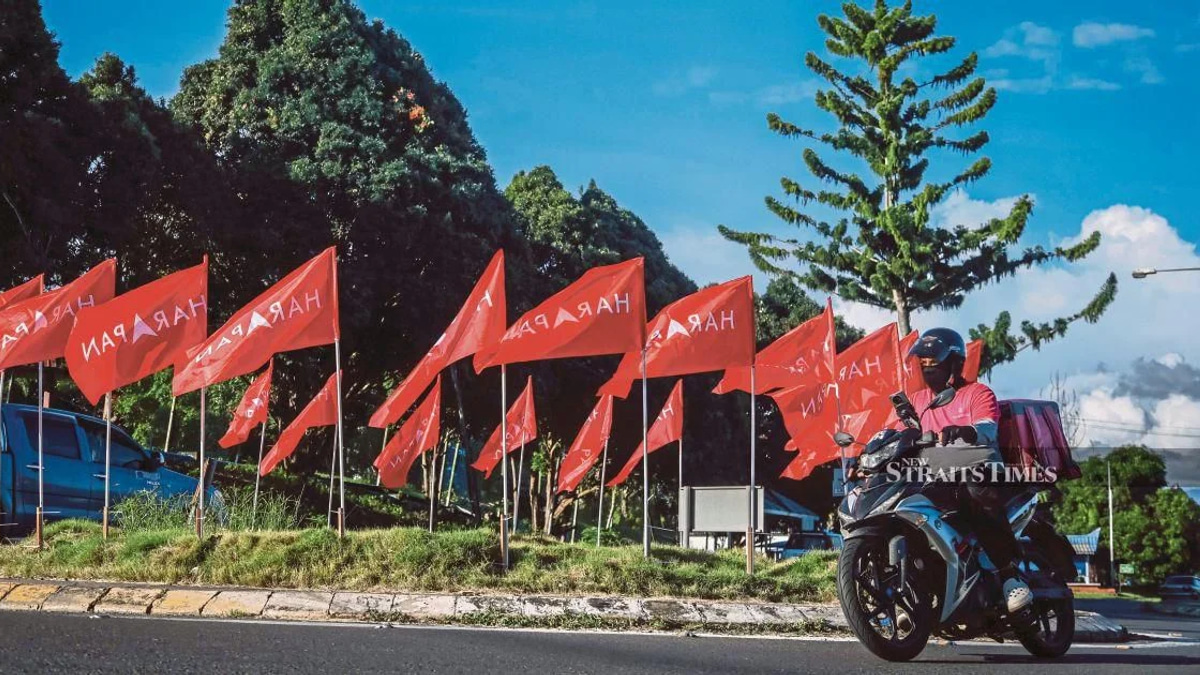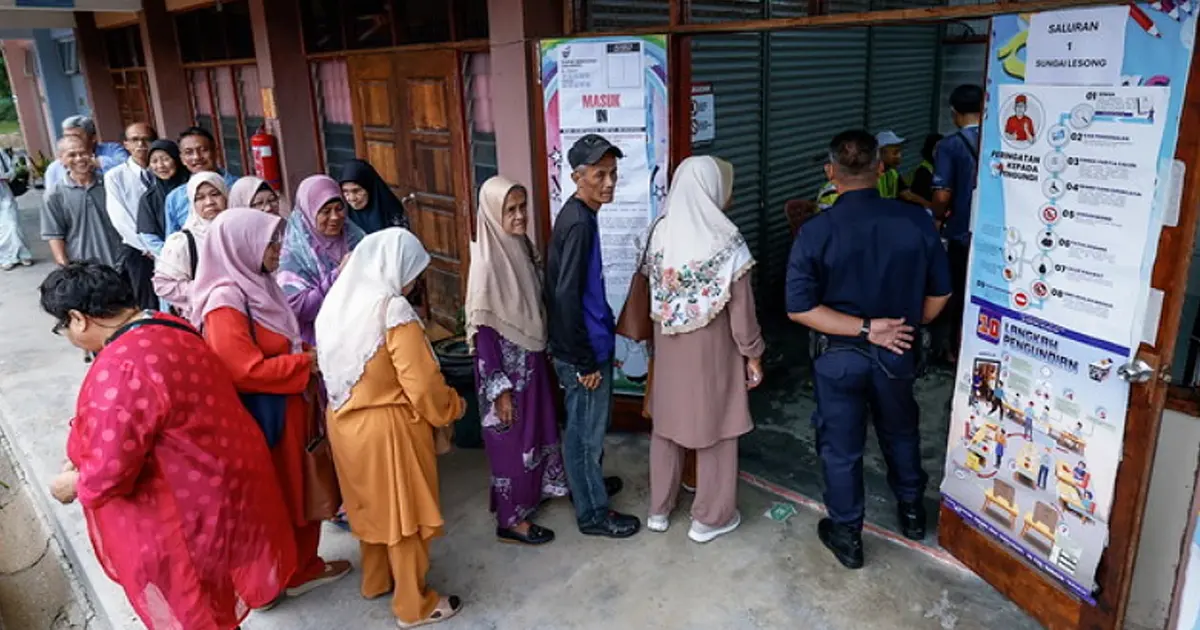
The relentless focus on 3R-related issues threatens to overwhelm Malay voters with fatigue, according to political analyst Awang Azman Pawi of Universiti Malaya, signalling a potential disconnect between elite political discourse and ground-level voter priorities. This phenomenon reflects a broader pattern where symbolic and identity-laden debates, however emotionally resonant, may lose traction when competing against tangible concerns affecting household budgets and daily survival. The observation comes amid a period of heightened political tension in Malaysia, where the 3R framework—Religion, Royalty, and Race—continues to dominate parliamentary and public discourse.
Awang Azman's analysis suggests that sustained exposure to 3R controversies risks conditioning Malaysian voters, particularly within the Malay-Muslim demographic, to experience psychological fatigue rather than sustained political mobilisation. Emotional fatigue represents a critical vulnerability for ruling parties that depend on mobilising these constituencies, as fatigued voters tend toward either abstention or unpredictable electoral behaviour. The analyst's warning signals that the traditional efficacy of identity-centred political messaging may be reaching saturation point, especially when deployed repeatedly without delivering on parallel voter demands.
The shift toward economic evaluation as a determining factor in electoral judgement creates new political terrain. Parties will increasingly face scrutiny based on their demonstrable capacity to address rising living costs, a concern that transcends ethnic and religious boundaries. This represents a significant recalibration of electoral competition, where macroeconomic competence rather than ideological positioning becomes the primary measure of governmental legitimacy.
Malaysia's cost of living crisis has intensified pressure on household finances across all communities. Food inflation, housing costs, and transportation expenses have created palpable anxiety among middle and lower-income earners. Political parties that fail to articulate credible solutions to these material challenges face erosion of voter confidence, regardless of their positioning on identity issues. The electorate appears increasingly inclined to evaluate performance based on whether government policies translate into improved purchasing power and economic security.
Awang Azman's framework suggests parties face a critical choice: continue investing political capital in 3R debates while risking voter disengagement, or pivot toward substantive economic policy platforms capable of addressing everyday hardship. This tension reflects deeper questions about governance priorities in contemporary Malaysia, where competing demands for identity affirmation and economic justice create divergent voter expectations.
The implications extend beyond immediate electoral calculations. Sustained emotional fatigue among the Malay-Muslim electorate could fundamentally alter Malaysia's political landscape, potentially benefiting parties perceived as pragmatically focused on economic solutions. Conversely, voters experiencing fatigue may simply disengage from political participation, lowering turnout and creating uncertainty about which parties can effectively mobilise core constituencies.
Historically, identity-based political messaging has proven potent in Malaysian elections, particularly among rural and semi-urban Malay voters. However, the sustainability of such messaging depends partly on voter receptiveness and psychological bandwidth. When economic anxiety intensifies, identity concerns, while remaining important, may be displaced as primary voting considerations. This represents not the disappearance of 3R sensitivities but their reconfiguration within a broader calculus where material wellbeing features prominently.
The analyst's observations carry particular weight given Malaysia's approaching electoral cycles and the demographic diversity of contemporary voter bases. Younger Malay voters, in particular, often prioritise job security and housing affordability alongside cultural concerns, creating composite political demands that transcend traditional categorisation. Parties that acknowledge and respond to this complexity are likely to prove more electorally resilient than those assuming unchanging voter priorities.
For Malaysian policymakers and political strategists, the takeaway is clear: the electorate expects tangible economic results alongside principled stands on identity matters. This dual expectation means parties must develop sophisticated platforms addressing both dimensions simultaneously. Neglecting either component invites vulnerability from competitors offering more comprehensive solutions.
The intersection of emotional fatigue and economic vulnerability creates openings for parties demonstrating genuine commitment to cost-of-living mitigation. Credible initiatives reducing food prices, stabilising housing costs, or improving wage competitiveness could catalyse electoral support even among voters experiencing 3R debate fatigue. Conversely, parties perceived as exploiting identity anxieties while failing to address economic hardship risk accelerated voter defection.
Regionally, Malaysia's experience mirrors broader Southeast Asian trends where economic nationalism increasingly competes with identity politics as a mobilising force. Thailand, Indonesia, and the Philippines have witnessed similar shifts where voter attention gravitates toward poverty reduction and inequality management. Understanding whether this represents cyclical variation or structural realignment will shape political strategy across the region for years ahead.
Ultimately, Awang Azman's warning suggests Malaysian politics stands at an inflection point. The 3R framework remains significant, but its political utility depends on connection to voter material interests. Parties that recognise this intersection and develop coherent strategies addressing both identity and economics are likely to dominate future electoral competition. Those treating these concerns as separate rather than intertwined risk continued voter frustration and potential defection.