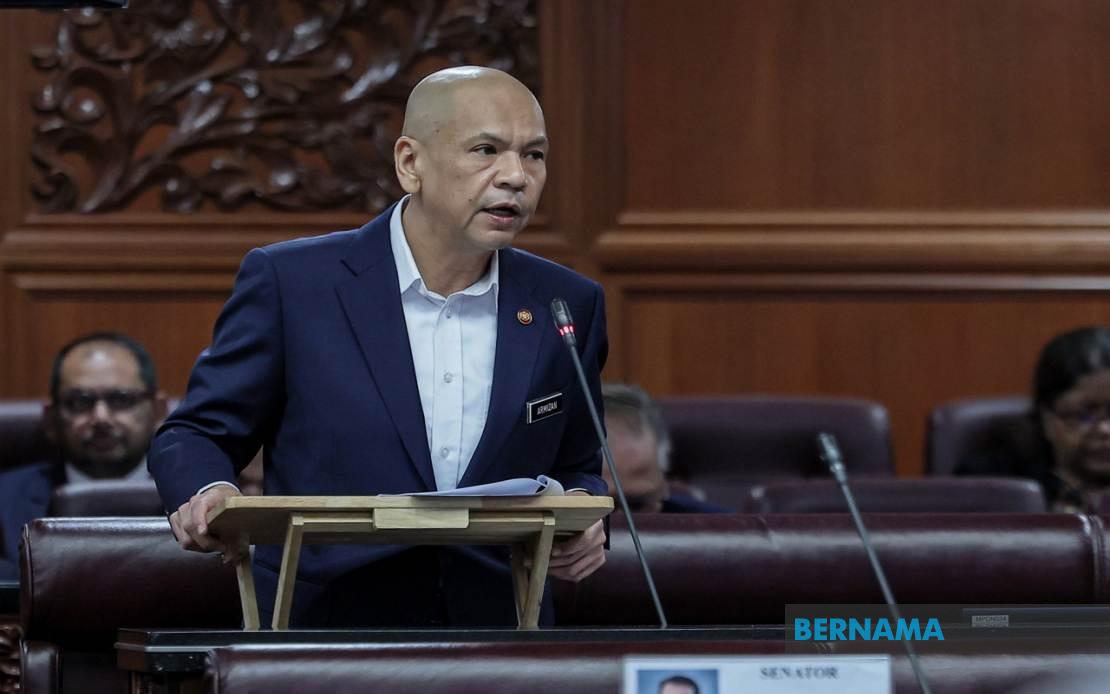
Malaysia is moving forward with substantial reforms to its competition framework, with two amendment bills formally introduced to parliament on June 23. The Competition (Amendment) Bill 2026 and the Competition Commission (Amendment) Bill 2026, both overseen by the Domestic Trade and Cost of Living Ministry under Datuk Armizan Mohd Ali, represent a significant modernisation of the country's regulatory approach to market competition. Both measures are scheduled for their second reading during the current parliamentary session, signalling the government's commitment to expediting these legislative changes.
The cornerstone of the first amendment bill centres on broadening the application of the Competition Act 2010 beyond its current commercial focus. Under the new Clause 3, competition oversight would expand to encompass all economic activities rather than remaining confined to purely commercial transactions. This shift carries substantial implications for Malaysia's regulatory landscape, as it would extend scrutiny to activities previously operating in grey areas or entirely outside the competition regime. For Malaysian businesses and consumers, this expansion promises more comprehensive market protection, though it may also require companies operating across diverse sectors to reassess their compliance frameworks.
Enhancing the investigative capabilities of the Malaysia Competition Commission stands as another central pillar of the reforms. The amended Act would grant MyCC significantly broader authority to gather information and documentation from any individual or government entity during market reviews. This power expansion, detailed in Clause 7, equips regulators with tools necessary to conduct deeper investigations into potential anti-competitive behaviour. The practical effect means that Malaysian authorities can now pursue investigations with greater scope and efficiency, potentially uncovering cartel arrangements, abuse of dominance, and merger irregularities that might otherwise remain concealed.
The amendments also introduce new criminal offences targeting deliberate obstruction of regulatory activities. Clause 13 specifically creates liability for anyone who intentionally destroys, conceals, defaces, or alters data or materials with the purpose of misleading MyCC or impeding its investigative and enforcement work. This provision addresses a genuine enforcement gap, as sophisticated violators have historically used document destruction and data manipulation to evade accountability. By criminalising such conduct, Malaysia joins other advanced economies in protecting the integrity of competition investigations.
MyCC's internal decision-making structures undergo corresponding reforms, with amendments aimed at streamlining procedures and clarifying institutional roles. The Competition Commission Act amendments propose that officer appointments be made directly by the commission itself, acting upon recommendations from the chief executive officer. This reform attempts to insulate the appointment process from external political influence, thereby enhancing institutional independence and public confidence in regulatory impartiality. Such structural safeguards matter considerably in a region where regulatory capture and political interference in agencies remain persistent concerns.
Clause 8 of the second amendment bill establishes MyCC's advisory function more explicitly, formally recognising its role in guiding the minister, public authorities, and regulatory bodies on competition matters spanning policies, procedures, and programmes. This codification elevates MyCC from a reactive enforcement agency to a proactive voice in shaping Malaysia's competitive policy environment. For policymakers navigating trade-offs between competition and other objectives, this formalisation ensures that competition considerations receive structured attention at the earliest stages of policy development.
Delegation provisions represent a third avenue of reform, with Clause 10 allowing MyCC to distribute functions and powers among its chairman, committees, officers, and employees. This flexibility acknowledges operational realities in a commission managing investigations across multiple sectors and geographic regions. By permitting controlled delegation, the amendments enable MyCC to operate more responsively while maintaining institutional accountability. The provision proves particularly relevant for Malaysia's growing economy, where competition issues increasingly span complex multi-sector landscapes.
For Malaysian businesses and regional investors, these amendments carry both compliance obligations and strategic implications. Companies operating in previously lightly-regulated economic activities now face genuine competition law exposure. The expanded investigative authority means corporate secrets and commercial communications receive greater scrutiny during investigations. However, the reforms also promise more predictable and transparent enforcement, as MyCC operates under clearer legislative parameters. Multinational firms operating in Southeast Asia will likely view these changes as aligning Malaysia more closely with international best practices, potentially reducing regulatory arbitrage opportunities.
The regional context further illuminates the significance of Malaysia's competitive law modernisation. Across ASEAN, competition agencies have progressively strengthened their enforcement capabilities and expanded jurisdictional reach. Singapore, Thailand, and Indonesia have all undertaken similar reforms in recent years. Malaysia's amendments reflect recognition that globalised supply chains and digital markets require competition agencies with sophisticated investigative tools and clear legal authority. By enhancing MyCC's powers and institutional independence, Malaysia positions itself more competitively within the regional regulatory landscape.
Consumer protection constitutes perhaps the most direct beneficiary of these reforms. Broader application to all economic activities means that consumers in traditionally uncompetitive sectors—potentially including infrastructure, utilities, and professional services—gain explicit competition law protections. Enhanced investigation powers enable regulators to identify and prosecute practices that artificially inflate prices or restrict consumer choice. For Malaysian households, this translates to potential gains through more vigorous price competition and expanded access to goods and services.
The legislative timeline remains crucial for implementation effectiveness. With second reading scheduled during the current parliamentary sitting, passage appears likely absent substantial opposition. However, the practical impact of these amendments ultimately depends upon MyCC's capacity to exercise expanded powers effectively. The commission will require adequate budget allocation, staff training, and technology infrastructure to meaningfully implement enhanced investigative capabilities. Parliamentary approval represents merely the first step; translating legislative authority into effective enforcement requires sustained institutional investment.
Stakeholders across Malaysia's business community should prepare for implementation of these enhanced standards. Companies would be prudent to review competition compliance programmes, particularly those operating in previously lightly-regulated sectors. Legal and corporate governance teams should consider whether internal controls adequately address the new offences and expanded investigative scope. For larger enterprises with government relationships, the formalised advisory role for MyCC suggests benefit in proactively consulting competition considerations into policy engagement.
These amendments signal Malaysia's determination to construct a more robust and transparent competition framework capable of addressing modern economic challenges. Whether in traditional manufacturing, digital commerce, or emerging sectors, Malaysian businesses now operate within a more clearly-defined and substantially more enforceable regulatory environment. While compliance burdens may increase, the reforms ultimately serve the broader economic objective of efficient markets that reward innovation and efficiency rather than anti-competitive behaviour.