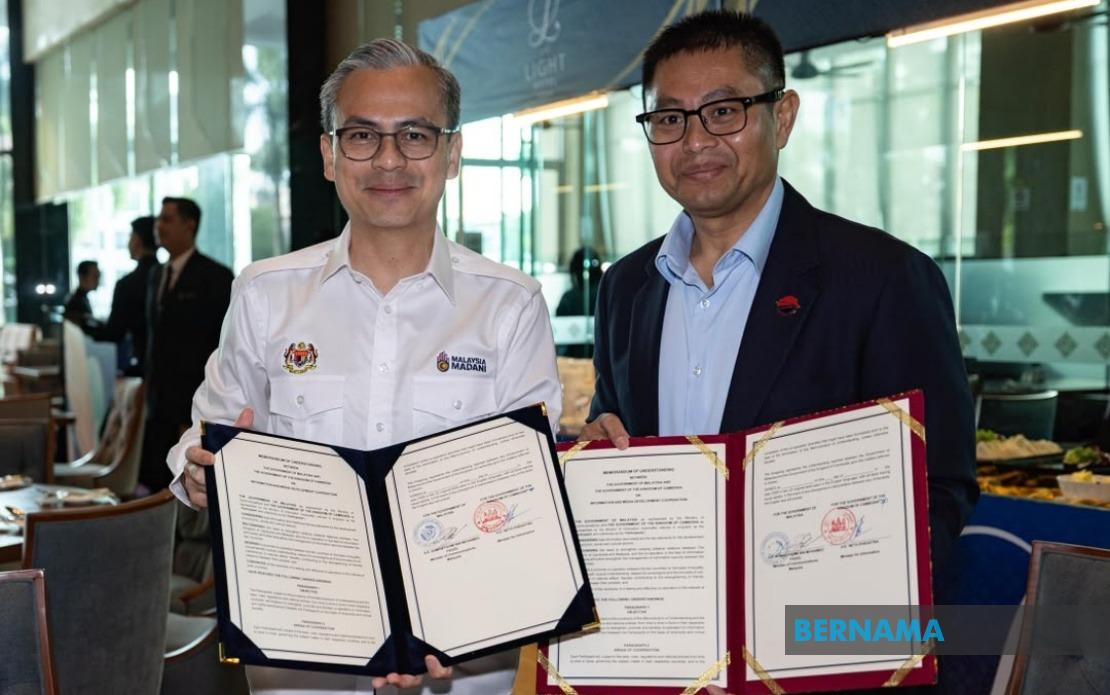
Malaysia and Cambodia have taken a significant step toward deepening their partnership in the media and communications sector by executing a memorandum of understanding focused on information and media development. The agreement was signed on June 20 at the Light Hotel in Butterworth, with Communications Minister Datuk Fahmi Fadzil representing Malaysia's position, while Cambodian Information Ministry's Under Secretary of State Prak Thaveak Amida acted on behalf of Information Minister Neth Pheaktra. The signing represents an important institutional commitment between the two Southeast Asian nations to expand their collaborative framework across multiple dimensions of the communications landscape.
The scope of the cooperation outlined in the MoU is notably comprehensive, encompassing several critical areas that reflect the evolving nature of modern media ecosystems. Both countries have committed to facilitating news and information exchange, a foundational element that allows media practitioners and news organizations to share content and journalistic resources. Beyond traditional journalism, the agreement extends to radio and television broadcasting cooperation, recognizing that these remain central distribution channels across much of Southeast Asia. Printing and publishing partnerships are also included, acknowledging the continued relevance of print media in both nations despite the digital transformation sweeping the region.
What distinguishes this agreement from earlier bilateral arrangements is its explicit inclusion of emerging and specialized sectors that have become critical to contemporary media operations. Media cybersecurity receives particular attention, reflecting growing anxieties across the region about digital threats, misinformation campaigns, and the protection of journalistic sources and infrastructure. The accord also addresses human capital development, signaling recognition that both countries need to invest in training, upskilling, and knowledge transfer to ensure their media industries remain competitive and professional. Film and documentary production cooperation opens opportunities for co-productions and cross-border storytelling that could enhance the creative industries in both economies.
For Malaysia specifically, this initiative carries particular weight in the context of regional positioning. As a nation that has invested heavily in developing its media infrastructure and digital communications capabilities, Malaysia stands to benefit from facilitating knowledge exchange with Cambodia, while simultaneously creating opportunities for Malaysian media companies and professionals to expand their footprint in Cambodia. The emphasis on information policy and regulatory practices suggests both countries recognize the need to align standards and best practices, which could streamline operations for multinational media entities operating across the region and reduce compliance friction.
The agreement also underscores a shared strategic vision about navigating the digital and interconnected communications environment that now characterizes Southeast Asia. Both nations face similar challenges in managing the transition from traditional media models to digital platforms, combating misinformation, and ensuring media sustainability in an era of declining print revenues and fragmented attention spans. By committing to cooperative arrangements, Malaysia and Cambodia signal their intent to address these challenges collectively rather than in isolation, potentially developing joint solutions that could be adapted across other ASEAN nations.
The timing of this MoU signing, coinciding with Malaysia's hosting of the National Journalists' Day (HAWANA) 2026 grand finale, adds symbolic weight to the announcement. HAWANA, now in its sixth edition, brings together approximately 1,000 media practitioners from Malaysia and abroad, creating a natural forum for deepening regional media connections. The event's theme, "Media Integrity Strengthens Credibility," aligns closely with the spirit of cooperation embodied in the Malaysia-Cambodia accord, emphasizing that reliable information and professional journalism serve as cornerstones for societal trust and development.
Prime Minister Datuk Seri Anwar Ibrahim's anticipated official opening of the HAWANA 2026 event demonstrates government-level commitment to elevating the status of journalism and media development within Malaysia's policy priorities. The presence of senior officials including Penang Chief Minister Chow Kon Yeow, Communications Ministry Secretary-General Datuk Abdul Halim Hamzah, and Bernama leadership indicates that this gathering represents more than a professional networking occasion. Rather, it functions as an important platform for articulating national positions on media policy and facilitating high-level discussions about the future direction of the sector.
The Cambodia-Malaysia partnership also reflects broader regional trends in Southeast Asia toward institutionalizing media cooperation. As digital platforms transcend national borders and misinformation flows freely across boundaries, bilateral and multilateral frameworks become essential mechanisms for establishing shared norms, coordinating responses to common threats, and facilitating the legitimate cross-border movement of information and journalistic work. This MoU could serve as a template for similar arrangements involving other ASEAN members, potentially contributing to the development of a more cohesive regional media architecture.
For Malaysian media organizations, the practical implications of this agreement include potential access to Cambodian markets and audiences, opportunities for joint ventures in content production, and platforms for expanding regional networks. Conversely, Cambodian media entities may benefit from access to Malaysian expertise, technology, and professional standards. Such bilateral exchanges often stimulate innovation and competitive improvements as organizations adopt successful practices from their partners.
The agreement's emphasis on innovation in media and broadcasting suggests both countries recognize that their media industries must evolve to remain relevant and sustainable. This could encompass exploration of emerging technologies, new business models, and audience engagement strategies that capitalize on digital platforms while maintaining editorial quality and public service missions. The cooperation framework provides institutional support for experimentation and learning that individual organizations might struggle to pursue independently.
Looking forward, the effectiveness of this MoU will depend on the commitment of government agencies and private media organizations in both countries to translate the agreement into concrete collaborative projects and measurable outcomes. The establishment of joint working groups, exchange programs, and specific initiatives will be essential to transforming the memorandum from a statement of intent into tangible benefits for media practitioners and the broader information ecosystem. Success will likely require sustained engagement beyond the ceremonial signing and periodic diplomatic reviews, with real investments in human resources and operational partnerships that withstand political shifts and competing priorities.