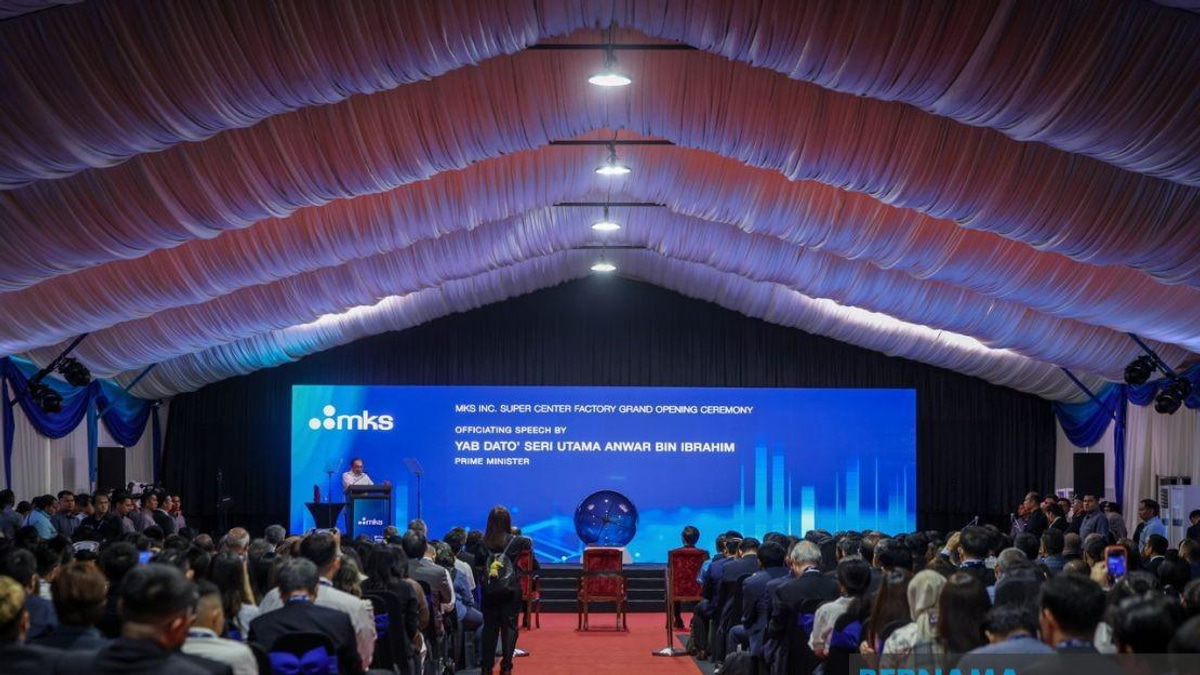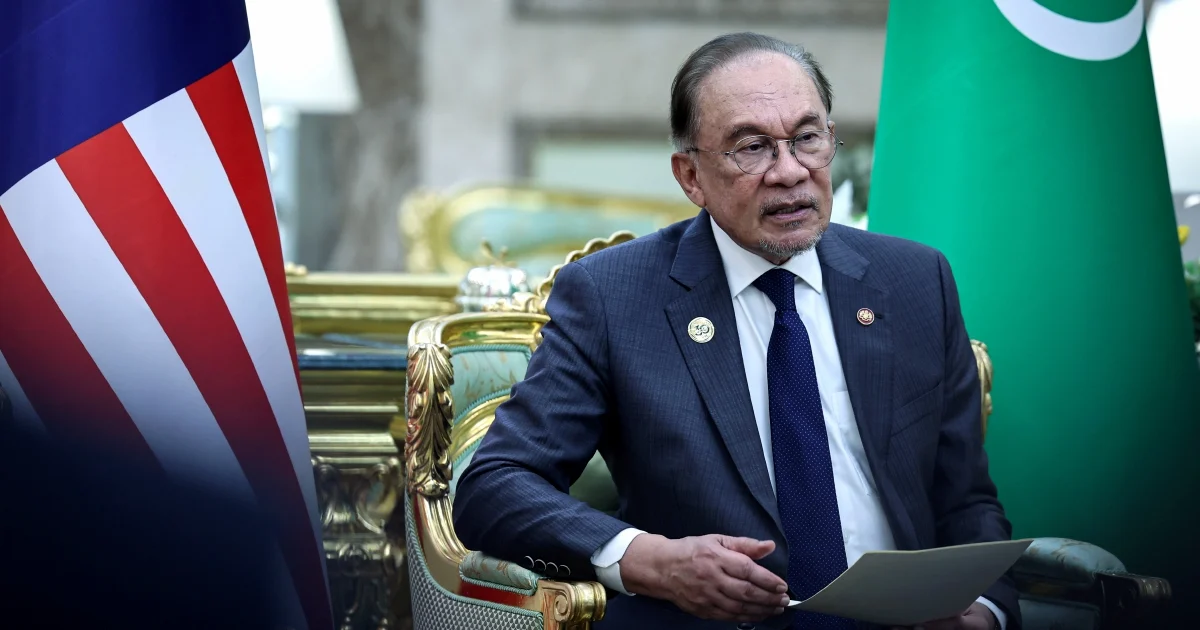
Prime Minister Datuk Seri Anwar Ibrahim has welcomed early indications of an emerging agreement between the United States and Iran, portraying the diplomatic overture as constructive news for international stability. Speaking at Batu Kawan, Malaysia's leader praised the tentative accord as a meaningful step that could reshape geopolitical dynamics in one of the world's most volatile regions.
Anwar's cautiously optimistic remarks reflect Malaysia's longstanding commitment to multilateral conflict resolution and its positioning as a bridge-builder in global diplomacy. The Prime Minister's characterisation of the preliminary accord as positive signals Kuala Lumpur's hope that sustained dialogue can address decades of entrenched tensions between Washington and Tehran, tensions that have repeatedly threatened to destabilise not only the Middle East but also global energy markets and international commerce.
The US-Iran relationship has historically been marked by profound distrust and mutual suspicion dating back to the 1979 Iranian Revolution. Successive attempts at reconciliation, including the 2015 Joint Comprehensive Plan of Action, have proven fragile, undermined by political shifts and hardening stances on both sides. Malaysia's acknowledgment of this new breakthrough reflects recognition that even incremental progress merits diplomatic encouragement, particularly given the catastrophic human costs of protracted conflict in the region.
For Southeast Asian nations like Malaysia, the implications of deteriorating US-Iran relations extend far beyond Middle Eastern borders. The region's economies depend critically on stable oil supplies and unobstructed maritime trade routes through the Strait of Hormuz, through which roughly one-third of global seaborne oil passes. Escalating tensions in the Persian Gulf historically translate into energy price spikes that ripple through developing economies, constraining growth and inflating consumer costs across the region.
Anwar's decision to publicly endorse the preliminary agreement also reflects Malaysia's broader diplomatic philosophy of supporting peaceful resolution mechanisms over confrontational approaches. As a Muslim-majority nation with diverse diplomatic relationships spanning the West and the Islamic world, Malaysia has cultivated a reputation for evenhandedness and pragmatism in international affairs. The Prime Minister's comments position the country as a rational voice advocating for conflict de-escalation regardless of geopolitical alignments.
The timing of Anwar's remarks holds particular significance given Malaysia's involvement in various multilateral forums addressing Middle Eastern security. Through organisations such as the Non-Aligned Movement and the Organisation of Islamic Cooperation, Malaysia maintains channels of communication with both Western powers and Middle Eastern nations. This diplomatic positioning enables Kuala Lumpur to influence regional outcomes in subtle yet consequential ways, making the Prime Minister's public support for US-Iran negotiations more than mere ceremonial commentary.
However, Anwar's cautious language—emphasising the preliminary nature of the agreement and expressing hope for durability—reflects realistic pessimism about achieving lasting settlements in Middle Eastern disputes. Previous agreements have collapsed due to hardening domestic political positions in both Washington and Tehran, with domestic constituencies on each side viewing compromise as capitulation. The Prime Minister's hope for enduring peace implicitly acknowledges this fragility and the monumental challenges that remain in translating initial agreements into comprehensive, sustainable settlements.
The broader context for Malaysian support includes concerns about proxy conflicts across the Middle East that have destabilised the region and displaced millions. Yemen's humanitarian catastrophe, Syrian civil war complexities, and Israeli-Palestinian tensions all bear fingerprints of US-Iranian rivalry. Should the preliminary accord catalyse genuine de-escalation, downstream effects could include reduced support for non-state actors, decreased refugee flows, and diminished instability that impacts global security architecture and international development efforts.
Anwar's welcoming response also carries domestic political weight within Malaysia. The country hosts significant Iranian diaspora communities and maintains substantial economic and cultural ties with Tehran, even as it preserves critical security partnerships with Washington and its allies. Publicly supporting US-Iran negotiations demonstrates to domestic constituencies that the Malaysian government pursues balanced foreign policy unconstrained by any single geopolitical bloc's interests.
Looking forward, Malaysia will likely continue monitoring whether the preliminary accord translates into comprehensive agreements addressing nuclear technology restrictions, sanctions relief, and verification mechanisms. The success or failure of these negotiations carries implications for Malaysian regional leadership and its capacity to advocate for multilateral approaches to intractable conflicts. Furthermore, if genuine US-Iran rapprochement materialises, Southeast Asian nations may benefit from reduced military competition in adjacent regions and more stable energy markets.
The Prime Minister's remarks ultimately represent Malaysia's investment in a more predictable international order where dialogue supersedes confrontation. While scepticism about Middle Eastern peace initiatives remains warranted given historical precedent, Anwar's public endorsement signals that Malaysia stands ready to support and potentially facilitate any genuine movement toward reducing regional tensions and their destabilising ripple effects throughout Asia and the world.