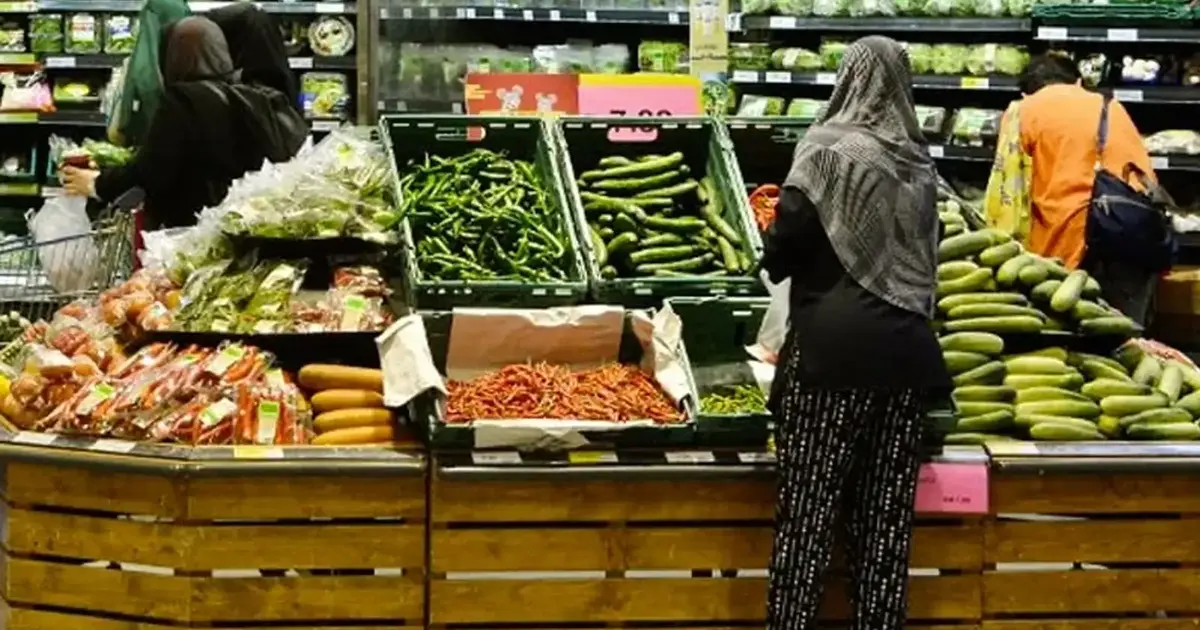
Malaysia's government is exploring a significant expansion of its food subsidy framework, with Deputy Prime Minister Ahmad Zahid Hamidi indicating plans to extend the SARA assistance programme to cover fresh vegetables and fruits. The proposal represents a notable shift in how the administration approaches household food security amid persistent inflationary pressures affecting ordinary Malaysians. Zahid confirmed that the initiative will be formally presented to the National Action Council on Cost of Living for detailed evaluation and potential approval, signalling that the government is taking seriously the burden of grocery expenses on lower and middle-income households.
The SARA programme, which currently provides targeted food subsidies to selected consumer goods, has become an increasingly important policy tool as Malaysia grapples with sustained increases in the cost of essential commodities. By incorporating fresh produce into the scheme's scope, policymakers aim to address a critical gap in household nutrition and purchasing power. Vegetables and fruits remain dietary staples for Malaysian families, yet their prices have climbed substantially over recent years, creating a squeeze on household budgets that impacts food diversity and nutritional intake across the population.
This expansion proposal reflects recognition among government officials that cost-of-living challenges extend beyond staple carbohydrates and processed foods into the fresh produce category. Many lower-income Malaysian families have reported curtailing their purchases of vegetables and fruits due to rising prices, a trend that health authorities have flagged as contributing to declining nutrition standards. By bringing these items under subsidy protection, the government seeks to ensure that affordable access to nutrient-dense foods remains achievable for vulnerable populations.
The timing of this initiative is significant within Malaysia's broader economic policy landscape. The country has faced mounting public discontent over inflation in essential goods, particularly following global supply chain disruptions and regional agricultural challenges that have constrained fresh produce availability. Politicians across the spectrum have recognised that visible government action on cost-of-living concerns remains essential to public confidence, making food assistance expansion a natural focal point for policy intervention. The proposal reflects this political imperative while also acknowledging legitimate household budget pressures.
Implementing such an expansion would require careful logistical planning and coordination between the Ministry of Domestic Trade and Cost of Living, agricultural agencies, and retailers participating in the SARA framework. Determining which vegetables and fruits qualify for subsidy, establishing sustainable pricing mechanisms, and ensuring adequate supply chains to support expanded demand would all present operational challenges. The National Action Council will need to evaluate whether current budgetary allocations suffice or whether additional fiscal resources must be redirected to accommodate this broader safety net.
For Malaysian consumers, particularly those in the lower-income brackets, such an expansion could deliver meaningful relief at grocery checkouts. Fresh produce comprises a significant portion of household food spending, yet dietary guidelines consistently emphasise the importance of adequate vegetable and fruit consumption for disease prevention and overall wellbeing. Making these foods more affordable through subsidies could simultaneously address cost-of-living grievances and contribute to improved public health outcomes across the population.
The proposal also carries implications for Malaysia's agricultural sector. Farmers and produce suppliers have faced their own cost pressures from input inflation and labour challenges, yet price pressures from consumers have limited their ability to pass through rising expenses. A subsidy scheme that guarantees support for fresh produce purchases could provide greater certainty for agricultural producers planning their cultivation and supply decisions, potentially encouraging expanded domestic production. This supply-side benefit could help stabilise prices while reducing import dependency for certain vegetables and fruits.
Regionally, Malaysia's consideration of expanded food subsidies sits within a broader Southeast Asian context of governments intervening to shield populations from inflation impacts. Neighbouring countries have implemented or expanded their own food assistance and price control measures, reflecting common demographic and economic pressures across the region. Malaysia's approach may influence or be influenced by these neighbouring policy choices, creating a demonstration effect for subsidy expansion throughout Southeast Asia.
However, policymakers must carefully weigh the proposal's fiscal sustainability. Food subsidies represent significant government expenditure, and expanding their scope necessarily increases budgetary commitments. The National Action Council will need to assess whether the proposed expansion fits within available fiscal space, considering competing spending priorities and broader macroeconomic constraints. Any approved expansion would likely proceed gradually rather than comprehensively, with careful pilot programmes potentially preceding full nationwide implementation.
The submission of this proposal to the National Action Council represents a formal step in Malaysia's policy development process, but approval remains uncertain. The council will evaluate technical feasibility, cost implications, potential market distortions, and administrative capacity before making recommendations. If approved, implementation would likely occur in phases, beginning with select vegetables and fruits before potentially broadening further. This methodical approach reflects both prudent fiscal management and recognition that subsidy schemes require ongoing adjustment based on real-world performance.
For Malaysian households struggling with food expenses, this proposal offers a glimmer of potential relief, though the pathway from announcement to implementation may prove lengthy. Success would require sustained political commitment, careful programme design, and effective coordination across government agencies and private retailers. The coming weeks will be instructive, as the National Action Council's deliberations will reveal how seriously policymakers view this expansion and what mechanisms they envision to make fresh produce genuinely affordable for all Malaysians.

