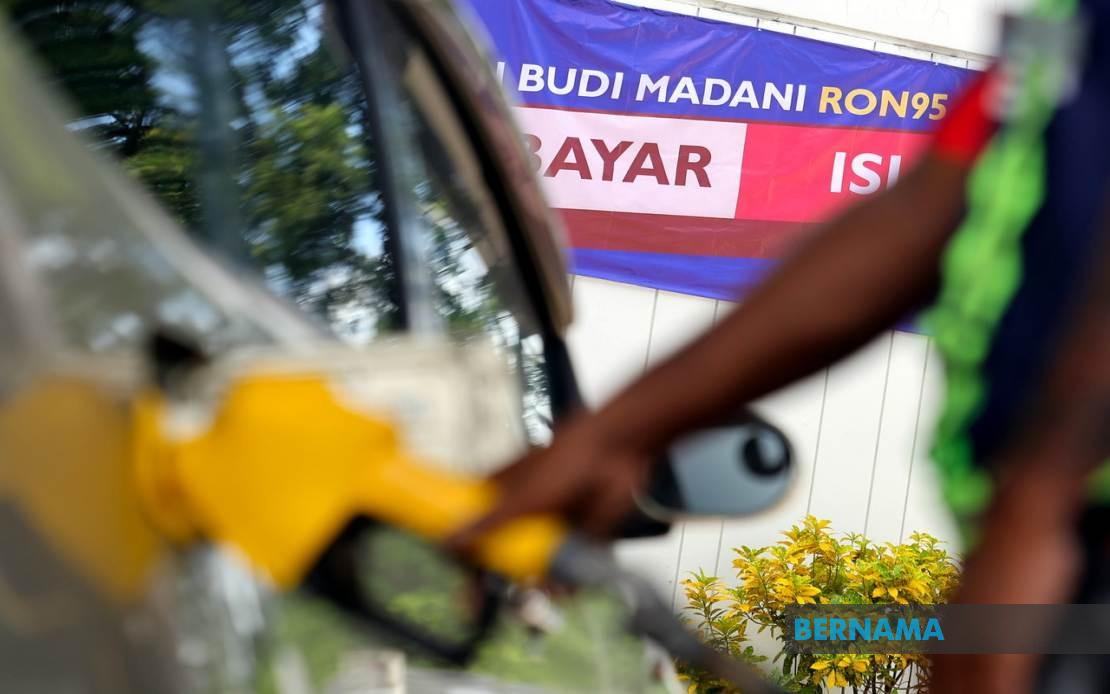
Prime Minister Datuk Seri Anwar Ibrahim has announced a significant policy reversal on fuel subsidies, restoring the monthly allowance under the Budi MADANI RON95 (BUDI95) scheme to its original 300-litre allocation. The decision, unveiled during his National Day address at the Putrajaya International Convention Centre, marks a crucial intervention in Malaysia's fuel support framework and signals the government's commitment to protecting household budgets amid volatile global energy markets.
The restoration comes as welcome relief to more than 16 million Malaysians who depend on the subsidised RON95 fuel programme. Under the scheme, eligible drivers can purchase fuel at the fixed price of RM1.99 per litre, providing substantial savings compared to open-market rates. The return to the higher quota addresses widespread concerns that had emerged when the government initially announced plans to reduce monthly allocations in anticipation of regional economic pressures and geopolitical tensions.
The timeline of this policy change reveals the government's evolving assessment of Malaysia's fiscal position and energy security. In March of this year, officials had projected that the BUDI95 quota would contract from 300 litres to 200 litres beginning April 1, 2026. That announcement reflected concerns about the financial burden of fuel subsidies in light of escalating tensions in West Asia, which threatened to push global crude oil prices higher and strain the national budget. The decision to restore the quota suggests improved economic forecasting or a deliberate political choice to prioritise cost-of-living relief over deficit reduction.
Diesel users will also benefit substantially from the government's broader fuel support strategy. More than half a million eligible owners of diesel-powered pick-up trucks and commercial jeeps will receive allocations of up to 400 litres monthly through the Budi Diesel component of the programme. This recognition of commercial vehicle operators reflects their essential role in Malaysia's agricultural, construction, and logistics sectors, where fuel costs directly translate to business expenses and ultimately consumer prices.
The fuel subsidy framework represents a significant portion of government expenditure and reflects competing policy priorities. Malaysia's fuel subsidy system has long been contentious, with economists noting that universal or near-universal subsidies benefit all income groups equally, including the affluent, rather than targeting the most vulnerable. Yet political realities in Malaysia have consistently favoured maintaining broad support for subsidised fuel, as energy costs touch every household and business. The restoration of full quotas demonstrates that protecting purchasing power remains a political imperative for the current administration.
Regional context amplifies the significance of this announcement. Throughout Southeast Asia, governments have grappled with fuel subsidy sustainability. Some neighbours have implemented more aggressive market-based pricing mechanisms, while others have maintained protective frameworks similar to Malaysia's. Malaysia's choice to sustain generous quotas positions it as relatively supportive of motorist welfare compared to regional peers, though this comes with real fiscal consequences that competing budgetary priorities must absorb elsewhere.
The geopolitical backdrop cannot be ignored in understanding this policy shift. When the government announced the March reduction plan, Middle Eastern tensions seemed likely to persist and potentially intensify. However, the intervening months may have brought either stabilisation in global oil markets or a reassessment of the timeline and severity of threats to supply. Energy prices remain subject to sudden shocks from political developments in the Persian Gulf, production disruptions, or shifts in global demand, all factors that complicate long-term subsidy planning.
For Malaysian consumers and businesses, the restoration represents meaningful financial protection against inflation in transportation costs. Monthly savings for a typical personal vehicle owner using 300 litres of RON95 at the subsidised price amount to substantial amounts compared to unsubsidised rates. Over a year, these savings accumulate into genuine household budget relief, particularly important for middle and lower-income Malaysians who spend disproportionate shares of income on transport. Small business operators, especially those in transport and delivery sectors, will similarly benefit from the improved certainty around fuel availability and cost.
The announcement also reflects administrative confidence in the functioning of the BUDI95 system itself. The programme relies on a system of vehicle registration and purchasing controls to prevent abuse and ensure benefits reach intended users rather than being diverted for commercial gain or export. Since its implementation, the scheme has generally achieved reasonable compliance and has effectively distributed subsidies to the target population. Restoring full quotas indicates satisfaction with these operational mechanisms and readiness to scale the programme without major reforms.
Looking ahead, the sustainability of these subsidy levels depends on multiple variables beyond government control. Global oil prices, currency exchange rates affecting import costs, and the government's overall fiscal position will all influence whether these quotas can be maintained indefinitely. The announcement represents current policy rather than an ironclad permanent commitment, and future adjustments remain possible if economic conditions shift dramatically. Nonetheless, for Malaysian motorists and vehicle operators, today's announcement provides welcome reassurance about their fuel costs through the coming year and beyond.

