Malaysia's digital creative industry has matured into a significant economic engine, generating RM92.5 billion in revenue whilst attracting RM85.7 billion in investments and creating over 11,000 high-value employment opportunities. The sector's export earnings of RM12.1 billion underscore the commercial viability of Malaysian creative content on the global stage, establishing the nation as more than a regional player in animation, gaming and digital media production.
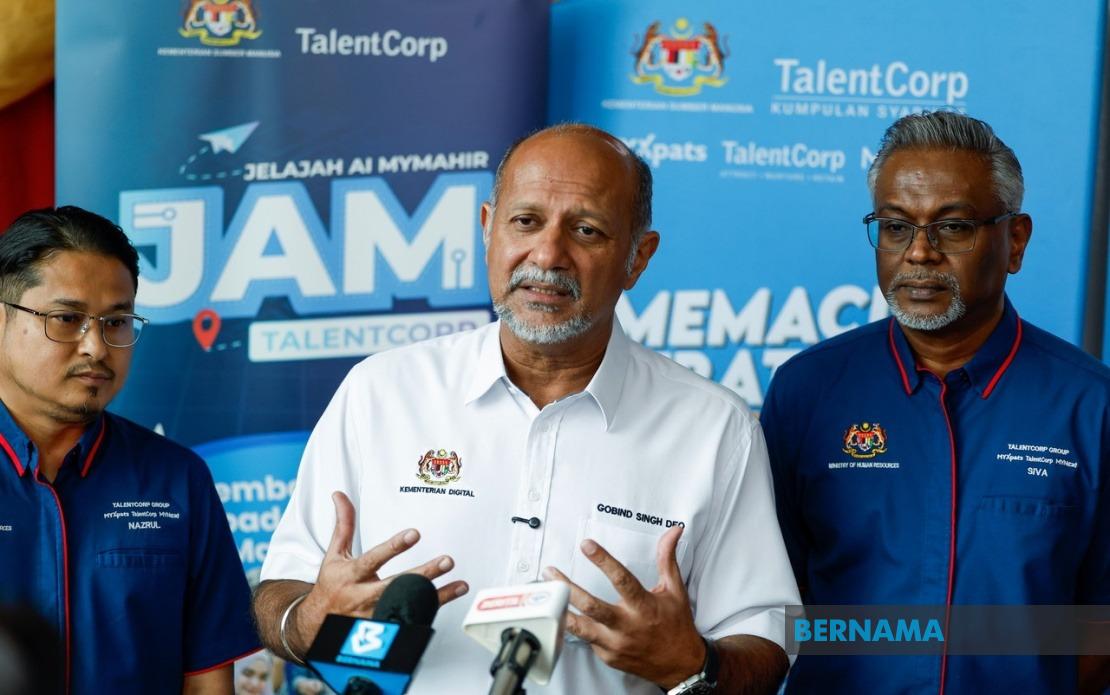
Digital Minister Gobind Singh Deo unveiled these figures while addressing delegates at Borneo Animation and Games Festival 2026 in Kuching, positioning the data as evidence that creative industries now possess substantial economic weight beyond their artistic merit. The minister's emphasis reflects a strategic pivot within Malaysian policy circles toward recognising intellectual property development as a legitimate economic development strategy rather than a peripheral cultural pursuit. This conceptual shift carries implications for how government budgets innovation, talent development and infrastructure across Southeast Asia's creative sectors.
Malaysian entertainment properties have already demonstrated cross-border appeal and commercial longevity. Animated series such as Upin & Ipin, Ejen Ali and Mechamato have transcended domestic audiences, establishing international licensing agreements and merchandising streams that generate sustained revenue flows. These success stories illustrate how locally-rooted creative content can achieve global commercial traction, a model increasingly relevant as streaming platforms reduce geographic distribution barriers and consumer appetite for diverse cultural narratives strengthens worldwide.
The government's ambition extends considerably further than current performance metrics. Malaysia aims to position its digital economy to represent 30 percent of the nation's Gross Domestic Product by 2030, a target that requires sustained sectoral growth and structural investment. Simultaneously, the government projects creating 500,000 high-value digital jobs within four years, a figure suggesting aggressive expansion across software development, content creation, game design and related digital services beyond traditional animation production.
Sarawak occupies a strategic position within this national digital ambition. The state possesses distinctive competitive advantages including an authentic creative community, culturally unique storytelling resources and an emerging digital infrastructure ecosystem. Gobind's remarks specifically acknowledged Sarawak's potential as a regional animation and games hub, suggesting the federal government recognises that decentralising digital industry development beyond peninsular Malaysia could strengthen national capacity whilst providing economic diversification opportunities for East Malaysian states.
The federal government has committed to deepening collaboration with Sarawak's creative sector through targeted capability development and broader connectivity initiatives. These partnerships aim to link Sarawak's producers to commercial opportunities spanning the Malaysian market, Southeast Asian neighbours and international distribution networks. Such approach recognises that geographic location need not constrain market access when digital infrastructure and institutional support facilitate seamless commercial integration.
Borneo Animation and Games Festival 2026 itself represents a tangible manifestation of this collaborative vision. As the inaugural international-scale animation and games festival held in Borneo, BAGFest signals confidence that the region can host world-class creative industry gatherings alongside conventional tourism and resource-based economic activities. The festival's thematic focus on forging Sarawak's digital future as a regional hub demonstrates how infrastructure investments in cultural events can simultaneously serve promotional, networking and capability-building functions.
The Malaysian digital creative sector's trajectory reflects broader Southeast Asian economic transformation patterns. As neighbouring countries similarly invest in creative industries, regional competition intensifies for talented professionals, investment capital and international partnerships. Malaysia's current positioning—with established IP exports, growing employment figures and governmental policy support—provides competitive advantages that require sustained reinforcement through education initiatives, tax incentives and regulatory frameworks that encourage foreign investment and international collaboration.
The economic significance of creative industries carries implications for Malaysian educational policy and workforce development strategies. Generating 11,000 existing jobs whilst targeting 500,000 additional digital positions over four years demands substantial expansion of technical training, creative education and digital infrastructure accessibility. Malaysian universities and vocational institutions face pressure to graduate sufficient numbers of skilled professionals capable of competing for roles within both domestic companies and international firms increasingly establishing regional operations in Malaysia.
Regional dynamics further complicate Malaysia's strategic positioning. Thailand, Indonesia and Vietnam simultaneously develop competing digital creative sectors with varying government support levels and comparative advantages in specific content categories or production processes. Malaysia's investment in animation and games represents a deliberate sectoral focus rather than a broad creative economy bet, potentially concentrating resources where existing capabilities and IP foundations provide competitive advantage. This specialisation strategy differs from competitors pursuing more generalised creative economy approaches.
The RM12.1 billion export figure assumes particular significance when evaluated against Malaysia's broader export portfolio and regional trade patterns. As digital content delivery increasingly displaces physical goods transportation, creative industry exports represent a distinctive category of invisible trade that generates foreign exchange without resource extraction or manufacturing-related environmental costs. This economic model aligns with Malaysia's stated aspirations toward higher-value economic activity and reduced dependence on commodity exports.
Gobind's emphasis on partnership between federal and state governments suggests recognition that successful creative sector development requires coordinated action across multiple levels of governance and between public and private actors. Sarawak's involvement in national creative industry strategy contradicts historical patterns of peninsular Malaysia–centric policy development, potentially indicating structural shifts toward more genuinely federal approaches to economic diversification. Whether such collaboration generates sustainable outcomes depends substantially on implementation fidelity and resource commitment beyond rhetorical statements at festival openings.

