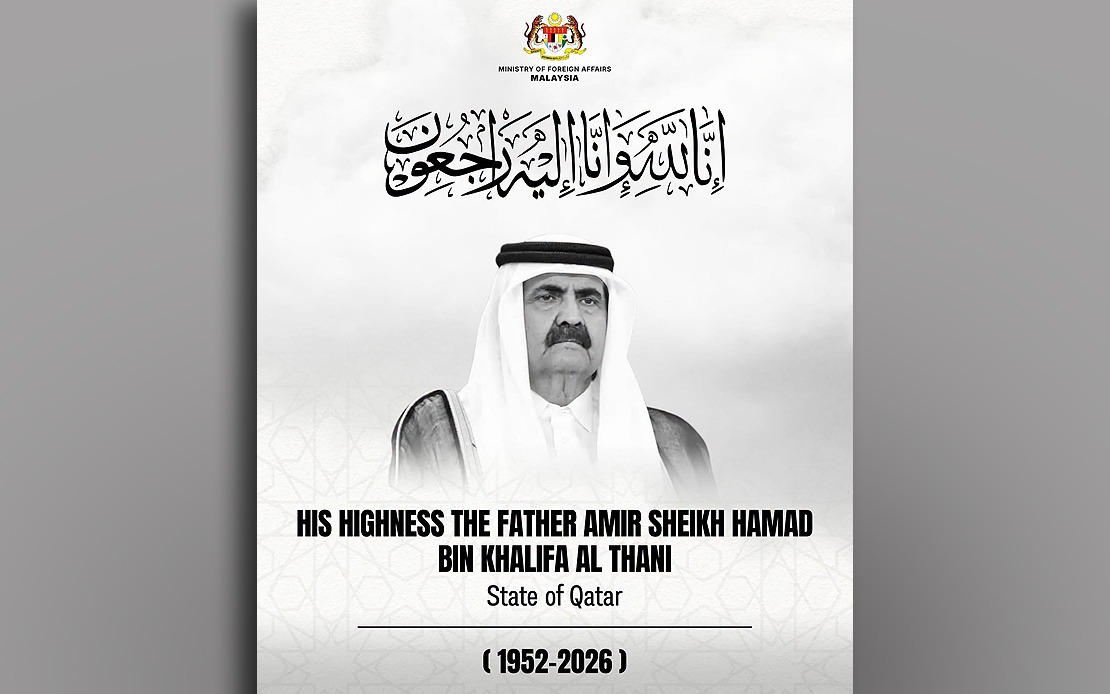
Malaysia has dispatched Higher Education Minister Datuk Seri Dr Zambry Abdul Kadir to Qatar to extend the nation's condolences during the official mourning period following the death of Sheikh Hamad bin Khalifa Al Thani, the former Amir of Qatar. The minister's participation in the ceremonial proceedings from July 13 to 14 underscores the depth of diplomatic ties between Kuala Lumpur and Doha, reflecting Malaysia's commitment to honouring the legacy of one of the Gulf's most influential leaders.
Quatar's current Amir, Sheikh Tamim bin Hamad Al Thani, is receiving delegations from heads of state, members of the royal family, government officials, and citizens at Lusail Palace over a three-day period commencing July 13. The presence of dignitaries from across the globe demonstrates the considerable regional and international stature Sheikh Hamad held throughout his tenure as the Gulf state's leading figure. This gathering at the palace represents one of the most significant state ceremonies in Qatar's recent history.
Through an official statement released by Malaysia's Foreign Ministry, the government expressed its profound grief over the loss and pledged unwavering solidarity with Qatar's leadership and population during this solemn occasion. The carefully worded diplomatic message signals that Malaysia views this moment not merely as a ceremonial obligation but as an opportunity to reaffirm bilateral bonds forged through years of economic, cultural, and political cooperation between the two Muslim-majority nations.
Qatar has declared four consecutive days of national mourning, a period that commenced on Sunday, July 12. This extensive closure of state institutions reflects the magnitude of Sheikh Hamad's contributions to building modern Qatar into one of the world's most economically dynamic and diplomatically influential nations. All government ministries, state entities, and public institutions throughout Qatar remain shuttered during this period, grinding most routine governmental operations to a halt.
Sheikh Hamad bin Khalifa Al Thani's three-decade rule transformed Qatar from a modest petroleum-dependent economy into a global financial powerhouse. His visionary leadership established the foundations for Qatar's diversification strategy, spearheaded major infrastructure projects, and elevated the nation's geopolitical standing considerably. The scale of mourning ceremonies reflects how profoundly his leadership shaped modern Qatar and influenced broader Gulf politics.
Malaysia's decision to send a senior government minister rather than a lower-ranking diplomat carries symbolic weight in bilateral relations. The Higher Education Ministry's representation suggests that Malaysia, while honouring Qatar's loss, also recognizes the continuing importance of educational and knowledge-exchange partnerships between the two countries. This choice of envoy demonstrates a thoughtful approach to diplomatic protocol and respect for Qatar's prominent position within Southeast Asia's extended network of allies.
The mourning period occurring in mid-July allows regional governments to reorganise their schedules and dispatch appropriate representatives to pay respects. For Malaysia, participation in such state ceremonies serves multiple purposes: fulfilling diplomatic protocol, demonstrating solidarity with a key Gulf partner, and maintaining the cordial relationships necessary for ongoing bilateral cooperation in trade, defence, and cultural domains.
Qatar's strategic significance to Malaysian interests extends well beyond ceremonial occasions. As a major investor in Malaysian real estate, financial services, and infrastructure projects, Qatar maintains substantial economic ties to the Malaysian economy. The Gulf state's sovereign wealth funds have been instrumental in funding development projects throughout the region, making the relationship mutually beneficial and worthy of sustained diplomatic attention.
Sheikh Hamad's influence extended beyond Qatar's borders throughout the Muslim world and developing nations. His role in founding Al Jazeera revolutionized global media landscapes, while his diplomatic initiatives shaped regional geopolitics in ways that continue reverberating today. For Malaysia, recognizing his contributions through formal state mourning reflects respect for a leader whose vision helped elevate the entire Muslim world's standing in international affairs.
The three-day reception period at Lusail Palace will witness an extraordinary gathering of international figures paying final respects. This congregation of world leaders, royal family members, and dignitaries from across continents underscores Sheikh Hamad's remarkable international reach and the respect he commanded globally. Malaysia's ministerial representation ensures the nation's voice is heard within this important assembly of nations honouring a transformative Gulf leader.
For Malaysia's diplomatic corps and government officials, participation in Qatar's mourning ceremonies offers opportunities to engage with senior officials from multiple countries, strengthening networks that facilitate cooperation on regional security, economic integration, and shared interests. Such state occasions, while solemn, provide essential platforms for multilateral discussions and bilateral interactions that might otherwise require separate formal scheduling.
The passing of Sheikh Hamad marks the conclusion of an era in Gulf leadership. His successors and successors' successors will inherit the institutional legacies and strategic frameworks he established. Malaysia's respectful participation in these mourning rites positions the country as a steadfast partner in Qatar's transition period, offering continuity and reliable friendship as the Gulf state navigates the succession.

