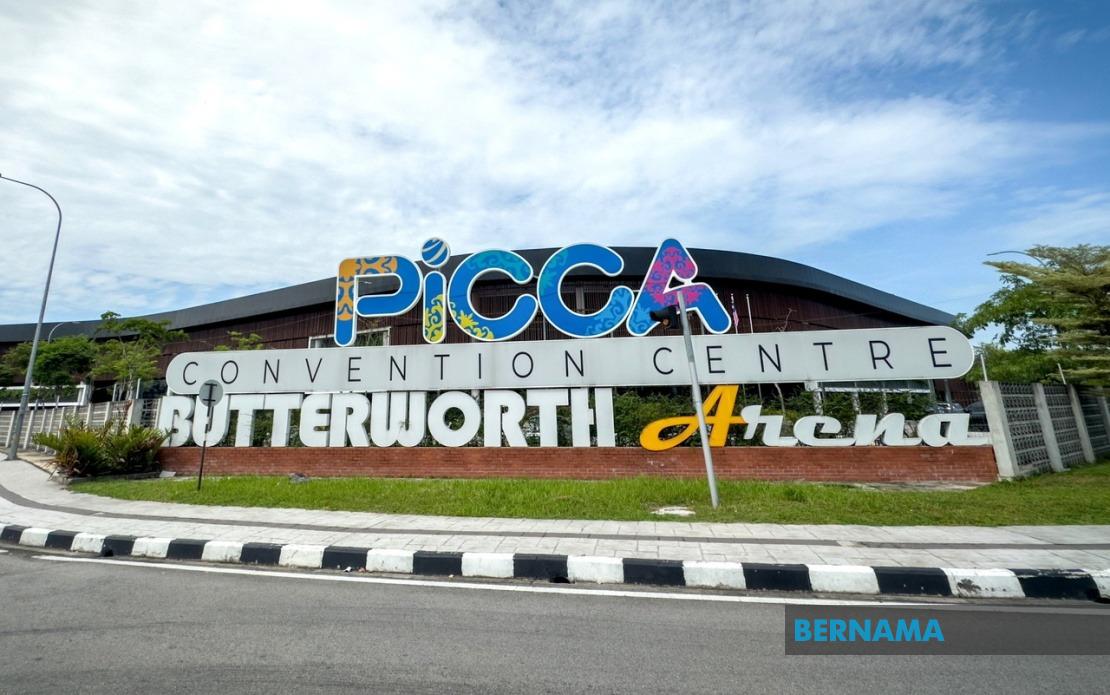
The sixth edition of Malaysia's National Journalists' Day (HAWANA) reached its climax on June 20 with a grand celebration at the PICCA@Arena Butterworth Convention Centre, drawing approximately 1,000 journalists and media professionals from across the country and abroad. The event represented a significant milestone in recognising the vital role of media practitioners in strengthening public discourse and maintaining journalistic standards during an era of widespread information dissemination.
Prime Minister Datuk Seri Anwar Ibrahim took centre stage to officiate the proceedings at 3 pm, underscoring the government's commitment to honouring the journalism profession. His presence at the event reflected the administration's recognition that media integrity stands as a cornerstone of democratic governance and informed citizenship. The theme chosen for this year's celebration, "Media Integrity Strengthens Credibility", speaks directly to contemporary challenges facing newsrooms across Southeast Asia as they navigate pressures from commercial interests, political interference, and the proliferation of unverified information online.
The gathering brought together a formidable cross-section of Malaysia's media leadership and government officials. Penang Chief Minister Chow Kon Yeow and Communications Minister Datuk Fahmi Fadzil participated alongside other senior officials including Communications Ministry secretary-general Datuk Abdul Halim Hamzah. Bernama, Malaysia's national news agency, was represented by its Chairman Datuk Seri Wong Chun Wai and Chief Executive Officer Datin Paduka Nur-ul Afida Kamaludin. This high-level attendance demonstrated institutional recognition of the importance of celebrating journalistic excellence and professional standards.
International participation elevated the event to a regional platform, with delegations from neighbouring countries attending to share experiences and strengthen professional bonds. Representatives from Indonesia's Antara News Agency, Vietnam News Agency (VNA), and China's Xinhua News Agency participated alongside the Indonesian Journalists Association and the Malaysia-Indonesia Journalists Friendship Association (ISWAMI). This international dimension reflected journalism's borderless nature and the growing recognition that media practitioners across Southeast Asia face common challenges including balancing editorial independence with commercial pressures and combating disinformation in their respective markets.
A pivotal component of the day's proceedings involved the presentation of HAWANA Awards and Special HAWANA Awards by the Prime Minister, recognising individuals who have made exceptional contributions to the journalism profession and helped shape public understanding and mindsets. The recognition of such achievements serves an important function in elevating professional standards and providing role models within the industry. Additionally, the Tabung Kasih@HAWANA scheme distributed contributions to media veterans facing financial hardship, demonstrating the profession's commitment to supporting its elder members who may lack adequate retirement provisions or face medical emergencies.
Beyond the formal ceremony, the RIUH Pi HAWANA Carnival extended celebrations across three days in the PICCA Convention Centre parking area, creating a public-facing dimension to a traditionally professional gathering. The carnival featured performances by established Malaysian artists including Exists, Bunkface, Masdo, Sakura Band, Budak Nakal Hujung Simpang, and Chelsea Ng, drawing general audiences to engage with the media profession's cultural significance. The event also housed more than 24 local creative product brands and 20 food and beverage vendors, transforming the celebration into a community festival that broadened HAWANA's appeal beyond journalistic circles.
The carnival's inclusion of interactive workshops provided opportunities for public participation in media literacy discussions, addressing a pressing need in Malaysia where misinformation and digital literacy gaps remain significant concerns. These educational components help build public understanding of journalistic processes, editorial standards, and the distinction between verified reporting and unsubstantiated claims circulating on social media platforms. For young people especially, exposure to working journalists and media professionals during such events can inspire future generations to consider careers in journalism or develop healthier media consumption habits.
The broader HAWANA 2026 programme extended well beyond the June 20 grand finale, with preliminary events building momentum throughout the year. The HAWANA 2026 Media Forum held on May 7 provided a space for substantive discussion among journalists and media leaders about industry challenges and emerging practices. The Strategic Partners Engagement Event on June 4 fostered relationships between media organisations and relevant stakeholders, while the HAWANA 2026 Fun Walk on June 14 brought journalists and the public together in a wellness activity. This multi-event approach ensured sustained engagement rather than a single momentary celebration.
HAWANA itself carries deep historical resonance within Malaysia's media landscape, commemorating May 29 to mark the publication of Utusan Melayu's inaugural edition on May 29, 1939. That 1939 publication predates Malaysian independence by nearly two decades, situating journalism as a profession that contributed meaningfully to the nationalist movement and early independence struggle. Annual celebrations of this date reinforce the profession's historical role in advocating for public interest and holding power accountable, traditions that remain relevant in contemporary Malaysia's complex political environment.
The Ministry of Communications, which organises HAWANA with Bernama as the implementing agency, frames the celebration as "the ultimate platform to recognise the dedication, professionalism, and role of media practitioners as conveyors of accurate, verified, and authoritative information to the public." This framing addresses one of contemporary journalism's greatest challenges: establishing credibility and authority in an information landscape saturated with competing narratives and deliberate falsehoods. By emphasising accuracy and verification, HAWANA implicitly acknowledges the difficulties journalists face in maintaining professional standards amid economic pressures that often incentivise sensationalism and rapid publication over thorough fact-checking.
For Malaysian journalists and news organisations, HAWANA serves multiple functions beyond ceremonial recognition. The event provides opportunity for professional networking, exposure to international best practices through visiting media delegations, and reinforcement of professional identity and standards during a period when journalism faces unprecedented economic and institutional challenges. The Tabung Kasih@HAWANA component addresses a practical concern: the profession's inability to provide adequate support systems for members facing hardship, which reflects broader questions about whether journalism's economic model in digital-era Malaysia can sustain professional standards or whether institutional support will prove necessary.
The 2026 grand finale also occurred within a broader context of evolving media regulation and government-press relations in Malaysia. By hosting international delegations and engaging with regional peers through associations like ISWAMI, Malaysia's celebration demonstrated willingness to situate itself within regional conversations about journalism's future, even as individual Southeast Asian countries navigate distinct political dynamics and media regulatory frameworks. The gathering underscored journalism's perception by Malaysian policymakers as deserving celebration and support, signalling a particular stance on the profession's societal value during a period when some global democracies have witnessed hostile government rhetoric targeting news organisations.