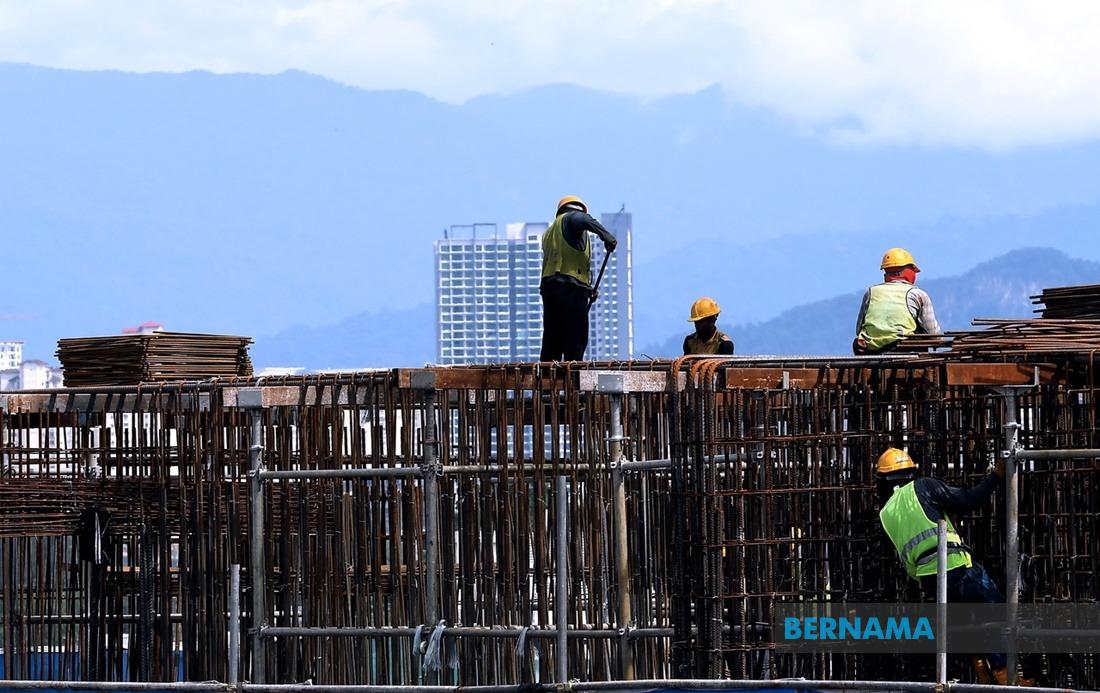
The government's examination of the Minimum Wages Order 2024 represents a critical juncture for ensuring Malaysian workers earn sufficient income to meet their fundamental needs, according to labour advocates. Union Network International - Malaysia Labour Centre (UNI-MLC) president Datuk Mohamed Shafie BP Mammal has underscored that this periodic assessment serves a vital function in determining whether existing wage floors remain appropriate given shifting economic conditions and household expenditure patterns across the nation.
Beyond the numerical values appearing in monthly pay packets, Datuk Mohamed Shafie emphasises that the real measure of adequate compensation lies in what workers can actually purchase with their earnings. The capacity to afford housing, food, transport, utilities and other essentials defines whether a wage truly provides dignity, he argues. This distinction between nominal salary figures and actual purchasing power has become increasingly important as Malaysians grapple with inflation pressures affecting everything from grocery bills to rental costs in major urban centres.
The labour leader contends that wage structures must evolve alongside changes in the cost of living, creating a dynamic system rather than fixed rates that gradually lose relevance. Without periodic recalibration, workers risk finding themselves trapped in circumstances where their income barely covers necessities, leaving virtually nothing for financial security or personal development. This reality shapes not only individual worker wellbeing but also the stability of families and communities across Malaysia.
Datuk Mohamed Shafie articulates a fundamental principle: workers constitute essential contributors to Malaysia's economic growth and development. Consequently, their material welfare deserves consistent priority in how policymakers design and implement labour market regulations. Neglecting worker prosperity undermines the very economic engine these individuals power through their daily contributions across manufacturing, services, agriculture, construction and other sectors.
The current situation reflects a broader challenge facing developing economies where rapid cost increases sometimes outpace wage adjustments. Workers finding themselves unable to set aside savings face heightened vulnerability to unexpected shocks. Children's educational opportunities become constrained when household budgets allow no surplus for tuition or learning materials. Emergency medical expenses or vehicle repairs create genuine crises rather than manageable inconveniences. These hardships extend beyond individual suffering to affect social cohesion and economic productivity.
Importantly, Datuk Mohamed Shafie clarifies that reviewing minimum wage rates does not necessarily predetermine an increase, though this is often workers' hope. Rather, the review process creates space for government, employers and labour representatives to evaluate current wage adequacy objectively against established economic indicators and living cost data. This collaborative assessment framework theoretically allows decisions grounded in evidence rather than political convenience or employer resistance.
The distinction between adequate and luxury living forms another critical element of this debate. UNI-MLC's position rejects arguments that minimum wages should provide only bare subsistence, instead advocating that workers deserve compensation enabling a genuinely decent existence. This encompasses not merely survival but the ability to participate in society, support family members responsibly, and maintain personal dignity through the fruits of honest labour. The framing reflects international labour standards emphasising worker rights to adequate living standards.
UNI-MLC has signalled willingness to engage with all relevant parties—government agencies, employer organisations, and worker representatives—to shape national wage policy responsive to economic realities. This collaborative posture acknowledges that sustainable solutions require buy-in across these constituencies. Employers facing wage pressures need consideration, yet worker advocates insist such concerns cannot override fundamental principles of human dignity and material security. Finding equilibrium between these interests remains perpetually challenging.
For Malaysia specifically, this debate occurs against a backdrop of relatively modest minimum wages compared to higher-income neighbours and growing urbanisation concentrating workers in expensive city centres. Many Malaysian workers struggle visibly with housing costs, transportation expenses and childcare fees that have climbed substantially over recent years. The gap between nominal wages and what those wages actually purchase has widened, creating pressure for the review process to meaningfully address accumulated hardship.
The broader Southeast Asian context reveals similar tensions across the region as developing economies expand yet wage growth lags inflationary pressures. Thailand, Indonesia and Philippines workers face comparable challenges, suggesting that Malaysia's approach to wage-setting may establish regional precedents. If Malaysia's review process succeeds in establishing credible, responsive mechanisms for aligning compensation with living costs, it could offer models worth studying elsewhere in ASEAN.
Moving forward, how Malaysia calibrates its minimum wage review outcomes will signal governmental commitment to worker welfare versus prioritising other economic interests. Policymakers face genuine tensions between supporting worker prosperity and managing business costs, particularly for small and medium enterprises operating on thin margins. The challenge involves crafting solutions that acknowledge both perspectives rather than dismissing legitimate concerns from either side.
The review process ultimately reflects competing visions of Malaysia's economic priorities and what constitute basic standards of living for working Malaysians. Whether the government demonstrates responsiveness to labour concerns about purchasing power and material security will likely influence worker confidence in policymaking institutions and potentially affect broader political and social stability.

