The Malaysian Media Council took its leadership beyond the confines of the capital on June 20, hosting a dinner and informal networking session with media practitioners from Malaysia's northern states in Butterworth. The gathering, organised in conjunction with the National Journalists' Day (HAWANA) 2026 celebration, brought together over 50 journalists and media professionals from Penang, Kedah, Perak and Perlis, alongside MMC board members and staff. The event represented a deliberate effort by the council to establish a more visible and accessible presence outside the Klang Valley, signalling a shift towards greater regional engagement with the broader media community.
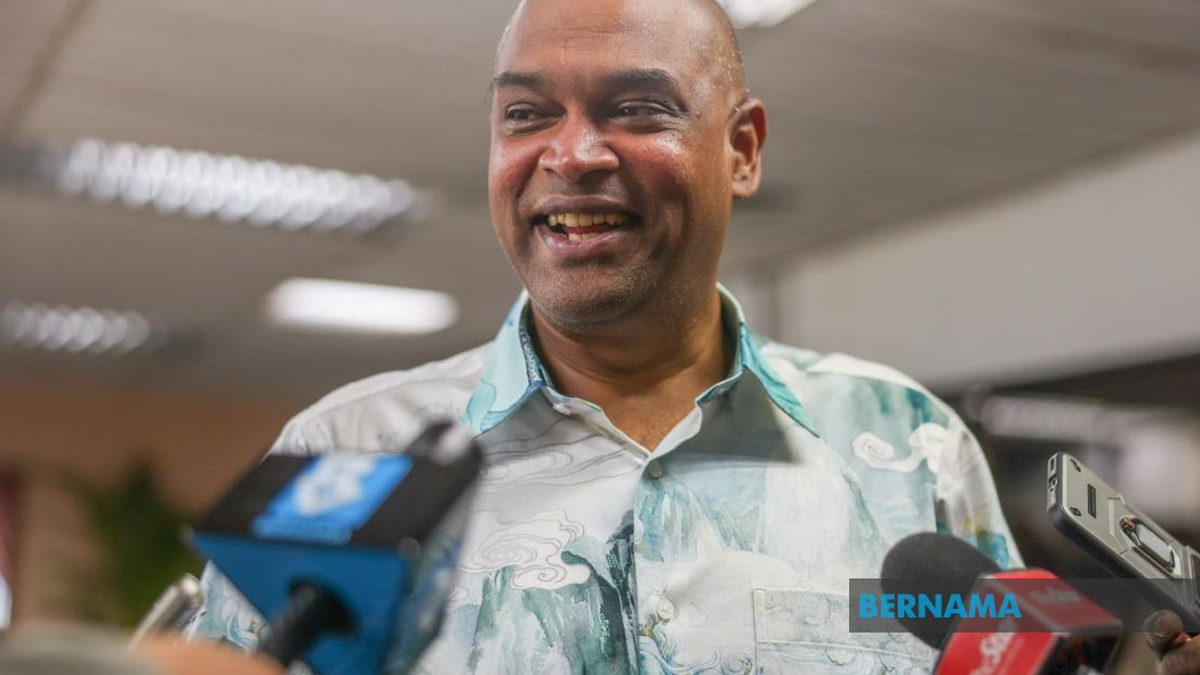
MMC secretary Radzi Razak underscored the strategic importance of the northern outreach, explaining that such sessions remain rare despite the council's national mandate. The timing of the engagement coincided with the main HAWANA 2026 highlight event at PICCA@Arena Butterworth Convention Centre, providing an opportune moment to facilitate direct conversation between council leadership and regional media figures. Radzi emphasised that the informal setting was deliberately chosen to encourage open dialogue, allowing media practitioners to raise concerns and discuss challenges they encounter in their respective states without the formality that often characterises institutional interactions.
The session also served as a significant symbolic occasion, marking the first informal engagement between the media fraternity and the newly appointed MMC chairman Tan Sri Nallini Pathmanathan, a former Federal Court judge who assumed office on June 15. This timing underscores the new leadership's commitment to immediate outreach and the establishment of stronger relationships with journalists across all regions. The appointment of Pathmanathan, bringing judicial experience to the media council's helm, suggests a potential shift in how the MMC might approach governance and advocacy issues affecting the press.
Radzi stressed that one of the council's fundamental objectives is ensuring it is not perceived as an exclusively Kuala Lumpur-centric institution. The MMC has historically concentrated its activities and visibility in the capital, potentially creating an impression among regional journalists that the organisation does not adequately represent their interests or understand their unique operating environment. By deliberately visiting different regions, the council aims to demonstrate that it serves media practitioners nationwide and to build understanding of its role in advocating for press freedom and professional standards across the country.
The engagement strategy extends beyond sentiment and into concrete operational planning. The MMC has announced plans to continue such regional sessions, with a Sarawak Media Conference scheduled for the following month. This cascading approach to regional outreach signals a systematic effort to establish the council's presence in major media centres across the nation, from the peninsula's northern states to East Malaysia. Such ground-level engagement creates platforms for practitioners to understand the MMC's functions, raise industry-specific concerns, and contribute to the council's policy considerations from diverse regional perspectives.
For Malaysian journalists outside the capital, the council's newfound attention represents both an opportunity and a validation of their professional concerns. Regional media practitioners often operate with fewer resources and sometimes limited access to professional networks compared to their Kuala Lumpur counterparts. The MMC's willingness to travel and meet journalists where they work acknowledges that media challenges and opportunities vary significantly across states. Issues affecting Penang's media landscape may differ substantially from those in Kedah or Perak, yet all require the council's attention and advocacy.
The bilateral dialogue component of these engagements carries particular significance in the current media landscape. Malaysian journalists face evolving challenges related to digital transformation, economic sustainability, regulatory compliance, and increasingly complex questions around content credibility and audience trust. Regional practitioners bring frontline experience with these issues, and the council's listening posture could yield valuable insights for national-level advocacy and policy recommendations. These sessions essentially position the council as responsive to ground realities rather than merely issuing directives from headquarters.
The HAWANA 2026 celebration itself, themed "Media Integrity Strengthens Credibility," provided the broader context for the MMC's regional engagement initiative. Prime Minister Datuk Seri Anwar Ibrahim officially launched the main event, which drew approximately 1,000 media practitioners from Malaysia and international participants. This significant gathering reflects the government's recognition of journalism's importance and the media industry's continuing role in democratic discourse. For regional journalists, the prominence of the event and participation of senior political leadership validates the significance of their profession, even as it emphasises the heightened expectations around integrity and credibility.
The MMC's regional strategy also responds to broader structural questions about media governance in Malaysia. The council operates as the principal body representing media interests and professional standards, yet its effectiveness depends substantially on legitimacy and engagement across diverse media communities. By visibly investing in relationships with practitioners beyond the capital, the MMC strengthens its claim to be a truly national institution rather than a Kuala Lumpur-based body with nominal provincial reach. This distinction matters for the council's ability to influence industry standards, represent journalist interests authoritatively, and maintain relevance as the sector evolves.
The engagement approach also reflects recognition that media sustainability and professional development require supportive ecosystems at the regional level. Journalists in smaller cities and states often work in more isolated professional environments, with fewer opportunities for peer collaboration, continuing education, or direct advocacy support. The MMC's presence and programmes can help address these gaps, creating network effects that strengthen the broader Malaysian media community. By investing in relationships with regional practitioners, the council simultaneously builds advocacy capacity and professional infrastructure across the country.
Looking forward, the implications of this regional engagement strategy extend to how Malaysian journalism will be governed and advocated for over the coming years. The new MMC leadership's early commitment to ground-level outreach suggests an intent to build the council's legitimacy and influence through genuine stakeholder engagement rather than top-down directives. This approach, if sustained, could reshape how the media profession organises itself around professional standards, ethical conduct, and advocacy for press freedom. For journalists outside the Klang Valley, the council's newly visible commitment to their concerns represents a tangible shift in institutional attention that has long been overdue.