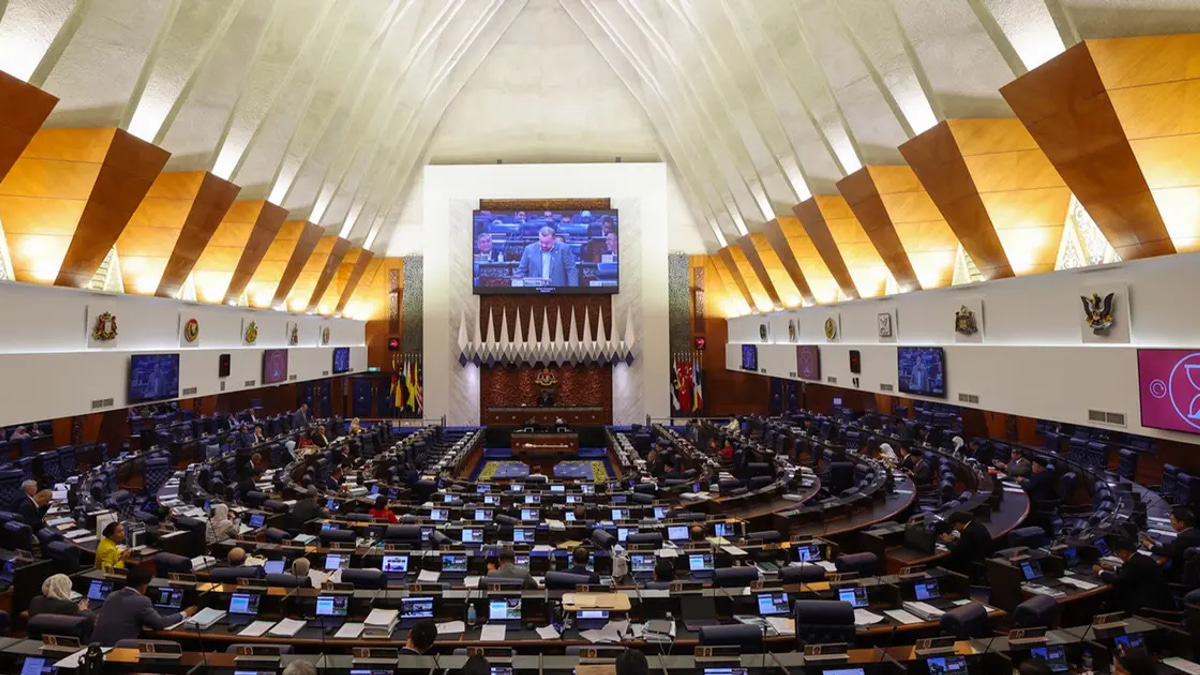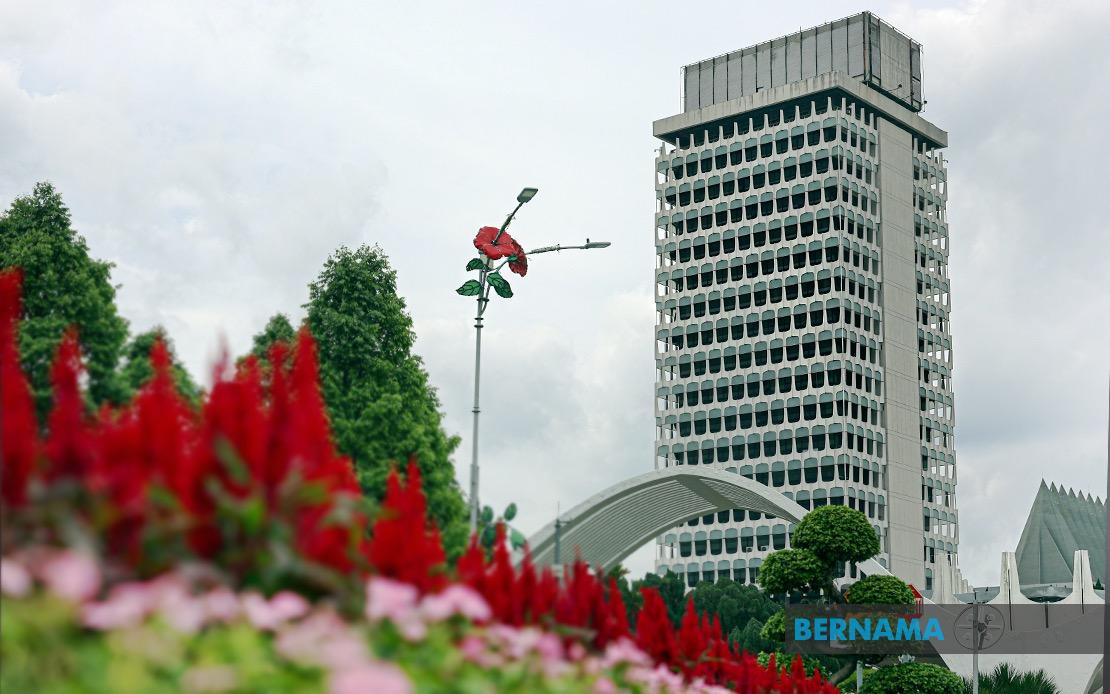
The Dewan Rakyat will commence its Second Meeting of the Fifth Session on Monday, tackling several significant legislative matters that have proven contentious in previous parliamentary sessions. Running through July 16, this sitting represents another opportunity for lawmakers to address constitutional reforms and policy changes that have previously stalled or faced resistance, while simultaneously grappling with emerging domestic concerns around road safety and cybercrime.
Two constitutional amendment bills feature prominently on the parliamentary calendar, both having been previously tabled without achieving the necessary two-thirds majority support required for passage. The Constitution (Amendment) Bill 2026 seeks to establish a ten-year limit on prime ministerial tenure, a reform designed to prevent extended periods of executive authority. This bill encountered difficulties during the First Meeting of the Fifth Session when it fell short of securing adequate parliamentary backing, leaving its prospects uncertain as it returns for another attempt at passage.
Paralleling the prime ministerial tenure proposal, the Constitution (Amendment) Bill (No. 2) 2026 addresses the institutional framework governing Malaysia's top legal officials. The measure would sever the combined roles of Attorney General and Public Prosecutor, creating separate positions with distinct mandates. This separation reflects broader concerns about concentrating significant prosecutorial and advisory powers within a single office. Rather than returning for immediate reconsideration, this bill has been directed to the Parliamentary Special Select Committee for deeper analysis, suggesting lawmakers believe the proposal requires more thorough examination before final passage.
Road safety emerges as an immediate legislative priority, with Transport Minister Anthony Loke introducing amendments to the Road Transport Act 1987 on the session's opening day. The proposed changes span eleven distinct areas and modify forty-two separate clauses, representing a comprehensive overhaul of the legislation. Loke has emphasized that illegal racing activities—street racing and organized underground racing syndicates—continue to endanger road users and demand legislative response through tougher enforcement mechanisms and penalties.
The road amendments specifically target what authorities describe as 'tonto' syndicates, referring to organized groups engaged in illegal street racing. These syndicates have become increasingly visible in Malaysian cities, creating public safety hazards and undermining traffic law enforcement. By strengthening penalties and providing enforcement agencies with additional tools, the government hopes to deter participation in dangerous driving activities and reduce racing-related accidents. The amendments also seek to enhance overall compliance with road traffic regulations through improved enforcement capacity and more effective deterrent measures.
Cyberspace regulation will also occupy parliamentary attention during the sitting, with the Cybercrime Bill 2026 scheduled for discussion. As digital crimes become more sophisticated and prevalent across Southeast Asia, Malaysia has recognized the need to update and expand its legislative framework governing online offences. This bill arrives at a moment when cybercriminal networks operate transnationally and employ increasingly complex methodologies to evade detection and prosecution.
The 16-day parliamentary calendar also encompasses broader geopolitical concerns affecting Malaysia's economic interests. Lawmakers are expected to focus discussions on the implications of the global energy supply crisis, particularly regarding how ongoing conflict in West Asia has disrupted international energy supply chains. For Malaysia—a nation with significant energy interests and exposure to international petroleum and liquefied natural gas markets—these developments carry material consequences for domestic energy prices, industrial competitiveness, and household costs. Parliamentary deliberation on these energy market disruptions provides lawmakers opportunity to examine government preparedness and develop contingency policies.
Dewan Rakyat Speaker Tan Sri Johari Abdul has issued a comprehensive reminder to all parliamentarians regarding their obligations and conduct during the session. Johari has emphasized that both government and opposition members must prioritize substantive debate grounded in factual analysis and constructive proposals rather than partisan rhetoric. He has stressed that parliamentary proceedings should focus on matters of genuine public and national interest, with the objective of strengthening democratic governance and informing superior policy development.
Johari's remarks carry particular significance given Malaysia's ongoing political dynamics and the concurrent Johor State Election, which has the potential to distract lawmakers from their parliamentary responsibilities. The Speaker cautioned against misusing parliamentary forums for political advantage or utilizing parliamentary time for matters unrelated to national legislative business. By reminding MPs that their constituents expect serious engagement with issues including cost of living pressures, educational quality, healthcare provision, economic growth, employment opportunities, and community welfare, Johari has attempted to reset parliamentary expectations toward substantive governance.
The Speaker has also underscored that parliamentary attendance and active participation remain non-negotiable responsibilities despite MPs' various political commitments outside the chamber. This reminder appears directed at ensuring that the concurrent Johor election does not substantially diminish the attendance and engagement levels necessary for productive parliamentary business. Johari's emphasis on maintaining parliamentary dignity through orderly debate conducted in accordance with Standing Orders reflects institutional concerns about maintaining public confidence in legislative processes.
Political analysts note that the confluence of constitutional amendments, road safety legislation, cybercrime regulation, and energy policy discussion reflects Malaysia's multi-dimensional governance challenges. The return of constitutional bills that previously failed signals that reformers remain committed to securing necessary votes, potentially through negotiation, persuasion, or altered political circumstances since the previous sitting. Whether these bills secure passage this session remains uncertain, but the government's commitment to reintroducing them suggests belief in their importance for institutional development.
The parliamentary session occurs within the context of Southeast Asian governance trends, where several countries have undertaken constitutional reviews and institutional reforms in recent years. Malaysia's deliberation of prime ministerial term limits and attorney general restructuring reflects regional discussions about executive power, judicial independence, and institutional accountability that extend across the association. The road safety amendments similarly address challenges common throughout the region, where illegal street racing and organized traffic violations impose significant public health costs.
Following the conclusion of the Dewan Rakyat sitting on July 16, the Dewan Negara will commence its own ten-day session beginning July 20 and extending through August 4. This bicameral arrangement provides an additional legislative stage for reviewing bills and enabling broader deliberation. The staggered sitting schedule reflects Malaysia's parliamentary structure and allows consideration of lower house outputs within the upper chamber's review process, potentially enabling further scrutiny of the road transport amendments and other contentious proposals before final enactment.