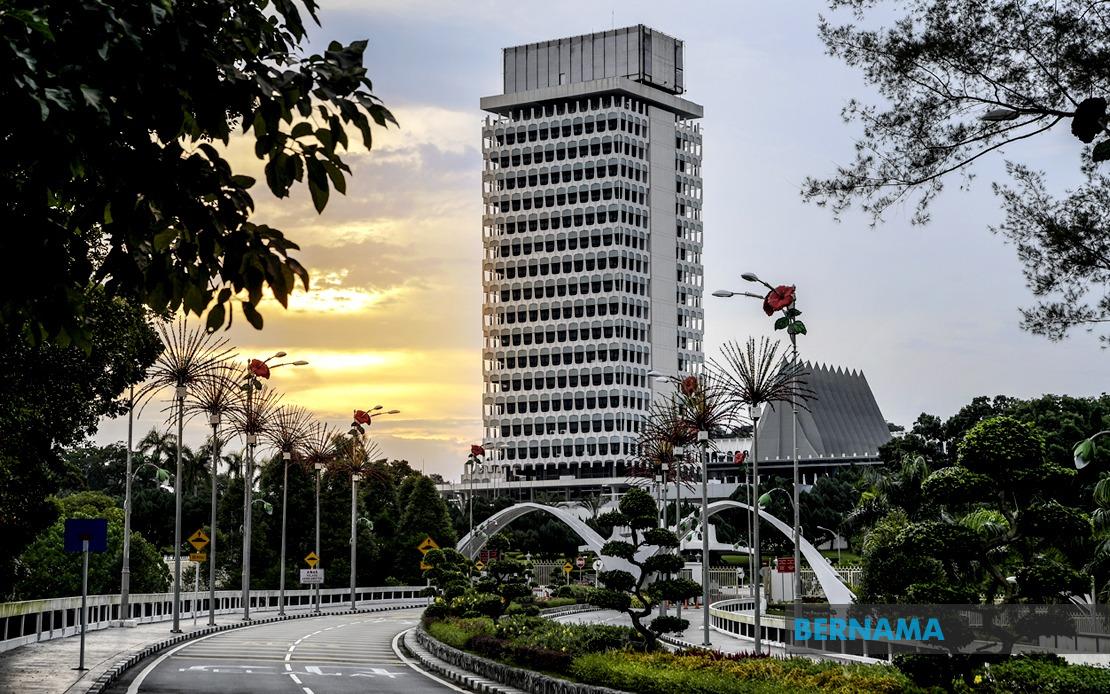
Parliament reconvened today with lawmakers preparing to scrutinise several critical areas affecting Malaysian households and national development, including the adequacy of health insurance safeguards, the sufficiency of retirement savings among working Malaysians, and government initiatives to nurture sporting talent. The 16-day sitting of the Fifth Session of the 15th Parliament, which runs until July 16, addresses pressing concerns about household financial security and the country's readiness for demographic shifts.
Tan Kok Wai of PH-Cheras will direct questions to the Finance Minister regarding measures to reinforce insurance sector oversight, focusing specifically on vulnerable policyholders including those with critical illnesses and cancer diagnoses. His inquiry addresses growing concerns about arbitrary policy cancellations and claim denials that have left Malaysian consumers exposed to unexpected financial hardship. The lawmaker's focus on enhancing transparency mechanisms and strengthening dispute resolution pathways reflects broader frustrations with how insurers handle sensitive health matters, particularly when patients face their most vulnerable moments. This line of questioning signals parliamentary recognition that current regulatory frameworks may be insufficient to protect consumers from practices that prioritise insurer interests over policyholder welfare.
The retirement adequacy question raised by Datuk Seri Aminuddin Harun from PH-Port Dickson underscores demographic and economic pressures reshaping Malaysia's social landscape. With cost-of-living increases outpacing wage growth for many segments, workers contributing to the Employees Provident Fund face a widening gap between anticipated retirement needs and accumulated savings. The inquiry acknowledges that Malaysia's population will age significantly by 2030, fundamentally altering the ratio of working-age contributors to retirees. This demographic transition carries implications for national productivity, healthcare expenditure, and social stability. Without adequate individual retirement savings, the burden of supporting elderly Malaysians will shift increasingly toward government welfare programmes and families already stretched by economic pressures. The Finance Minister's response may outline proposed adjustments to contribution rates, investment strategies, or withdrawal policies that could affect millions of EPF members.
Sports development questions from Zakri Hassan regarding indoor and beach volleyball talent identification reflect government prioritisation of Olympic and regional sporting success. Volleyball remains a growth sport in Southeast Asia, with competitive international tournaments offering visibility and potential sponsorship pathways for Malaysian athletes. The Youth and Sports Ministry's systematic talent identification programmes determine whether Malaysia can compete effectively at regional championships and the Olympic Games. Current initiatives likely involve school-based scouting, coaching development, and grassroots infrastructure investment. Hassan's questioning suggests parliamentary oversight of whether these programmes reach beyond urban centres and effectively identify athletes from lower-income backgrounds who might otherwise lack access to competitive pathways.
A separate inquiry from Hassan Saad concerning National Information Dissemination Centres addresses the persistent digital divide affecting rural Malaysia. Despite national broadband initiatives, substantial portions of rural communities remain hampered by inadequate internet infrastructure, limited digital literacy, and weak market access for agricultural and handicraft entrepreneurs. NADI centres theoretically bridge these gaps by providing digital services, training, and business support in underserved areas. Saad's scrutiny suggests these facilities may be underperforming relative to their mandate, raising questions about staffing levels, technical capabilities, and whether rural entrepreneurs can genuinely benefit from digital tools without accompanying business mentorship and market linkages.
Government effectiveness in monitoring subsidised cooking oil through the Mobile eCOSS application introduced in May 2025 will also face parliamentary examination. Cooking oil subsidies represent a significant government expenditure, but leakages through black market sales and diversion undermine programme objectives. The mobile application represents a technological intervention designed to track distribution and prevent unauthorised resale. Parliamentary scrutiny of its effectiveness will reveal whether technology alone can address systemic vulnerabilities or whether complementary enforcement mechanisms are required.
The sitting will also examine whether government financing schemes adequately support micro, small and medium enterprises, a sector employing millions of Malaysians but frequently constrained by limited access to credit and high borrowing costs. These enterprises drive employment, innovation, and economic diversification, yet many struggle to meet conventional bank lending criteria or navigate complex application processes. Government-backed financing programmes attempt to address these barriers, but their actual reach and impact merit legislative review.
Parliament will additionally receive a briefing on reforms to Malaysia's organ donation and transplant system. This report from the Health Select Committee addresses a critical healthcare challenge, as transplant waiting lists grow while donation rates remain insufficient. System reforms likely encompass opt-out rather than opt-in donation frameworks, improved coordination between hospitals, and enhanced public awareness campaigns. These changes could substantially increase organ availability and save lives of Malaysians currently waiting for life-saving transplants.
The chamber will continue deliberation on the Competition Amendment Bill 2026 and proceed to second reading of the Competition Commission Amendment Bill 2026. These legislative measures reshape Malaysia's approach to market regulation, monopoly prevention, and consumer protection. Competitive markets drive efficiency and consumer welfare, making these bills significant for long-term economic performance and business operating environments across Southeast Asia's third-largest economy.
The breadth of issues scheduled reflects Parliament's responsibility to examine government performance across social protection, economic opportunity, and national capability development. Each question and debate contributes to accountability mechanisms that theoretically ensure public resources serve constituents' interests. Whether these parliamentary sessions produce substantive policy adjustments or remain largely performative will depend on the quality of ministerial responses and subsequent legislative follow-through.

