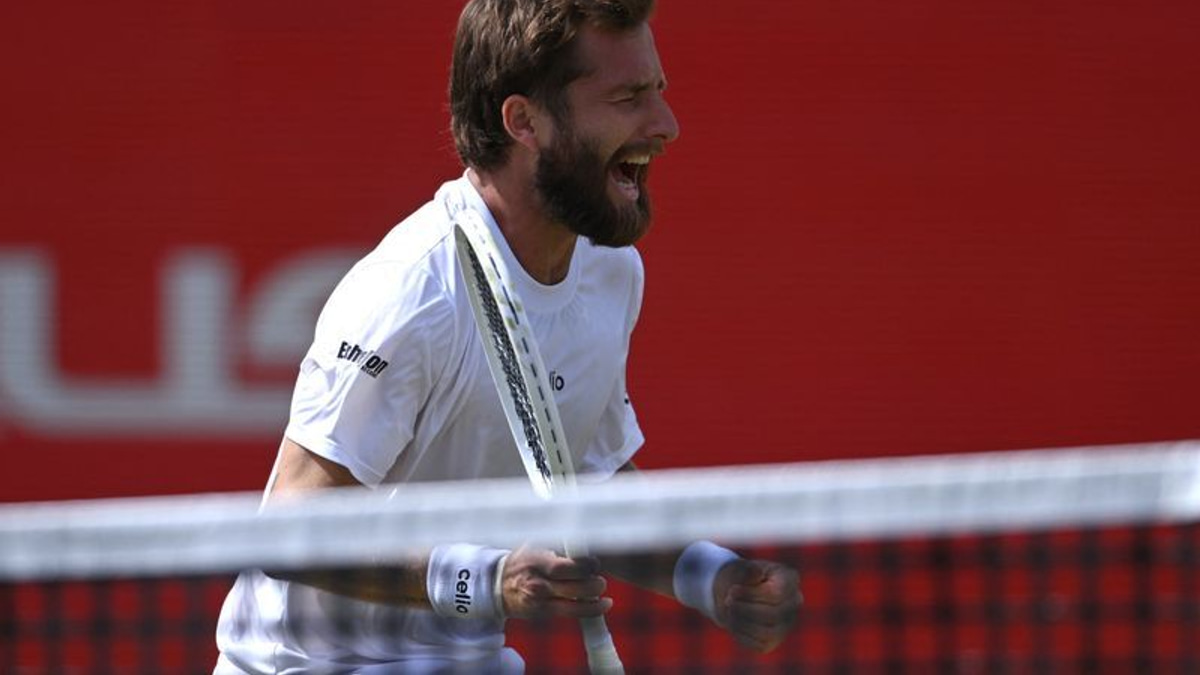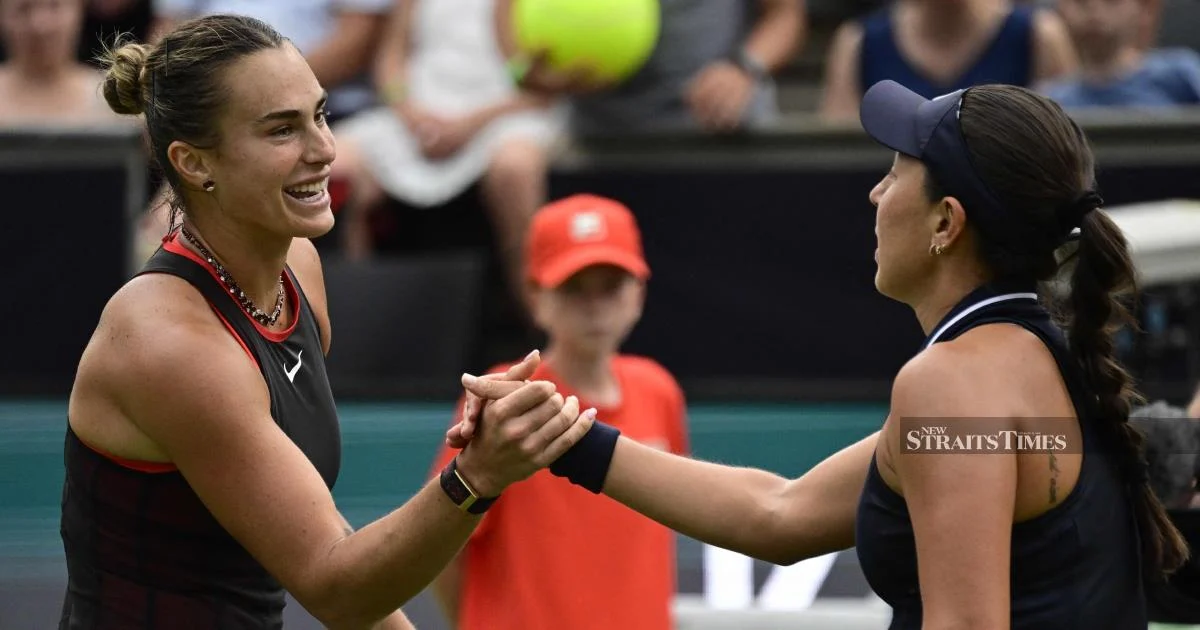
Jessica Pegula's aggressive approach on grass proved too much for world number one Aryna Sabalenka as the American advanced to the Berlin WTA tournament final with a decisive 6-2, 6-7 (4-7), 6-0 victory in the semifinals. The result marks a return to the championship match for Pegula, who is now chasing her second title appearance at the prestigious grasscourt event held in the German capital.
Pegula's performance showcased the effectiveness of her power-hitting game on the fast surface, where pace and aggressive baseline play dominate. The American's ability to dictate points and close down rallies quickly proved particularly damaging to Sabalenka's baseline-oriented game, which typically thrives in longer exchanges. By taking the opening set 6-2, Pegula established the early momentum that would frame much of the contest.
The second set developed into the tournament's most compelling encounter between two of the sport's elite competitors. Sabalenka, despite her world ranking, found herself fighting to stay in the match as Pegula maintained aggressive intent throughout. The set went to a tiebreak where the quality of play reached high levels, but ultimately Pegula fell just short in the breaker, losing 7-4 to level the match at one set each. This competitive middle section proved crucial in demonstrating that Sabalenka remained dangerous despite the American's dominance.
However, any momentum Sabalenka may have gained from the tiebreak victory dissipated completely in the final set. Pegula, showing remarkable composure and mental resilience after the close second-set encounter, shifted into an even higher gear to overwhelm her opponent completely. The third set became a one-sided affair as Pegula lost just two games, closing out the match 6-0 with a display of near-flawless execution that left Sabalenka with no answer to the American's relentless hitting.
The outcome carries significant weight for the grasscourt season in Europe. Pegula's performance demonstrates that even the sport's top-ranked player can struggle when faced with the right tactical approach and execution on a surface where mistakes are punished severely. Sabalenka's ranking belies a relative vulnerability on faster courts, where her physicality and power receive diminishing returns compared to clay surfaces where she has dominated in recent seasons.
For Southeast Asian tennis followers, this result underscores the diverse skill sets required to excel across different surfaces. The grasscourt game rewards preparation, precise placement, and the ability to shorten points—qualities that differ markedly from the endurance and baseline exchanges favored on clay. Pegula's victory reflects months of dedicated preparation specifically for the European grasscourt swing, a testament to the specialization required at the highest levels of professional tennis.
Pegula's path to the final represents her second appearance in the Berlin championship match, indicating that the American has previously succeeded in this tournament's demanding environment. The experience of having played in a WTA grass-court final before provides valuable perspective and confidence as she prepares for the title match. Understanding the tactical demands of best-of-three sets on grass, managing fatigue across multiple days of competition, and maintaining focus through tight sets are all lessons gained from previous tournament runs.
The semifinal result also highlights Pegula's consistent elevation of her game during key moments. The American has built a reputation for performing well in significant matches, and this victory adds to that growing body of evidence. Her ability to raise her level precisely when it matters most—particularly the devastating final set—suggests she will approach the final as a confident competitor capable of claiming the title.
Sabalenka's defeat, while disappointing, should not overshadow her overall tournament performance or status within women's tennis. Grasscourt tennis represents a unique challenge for players accustomed to clay surfaces, and Sabalenka's participation in major events across all surfaces demonstrates her commitment to competing at the highest levels regardless of conditions. The result simply reinforces that even world-ranked players must adapt their games to suit each surface's demands, and those who prepare most effectively typically prevail.
As Pegula prepares for the Berlin final, she carries the momentum of a near-perfect closing set and the confidence derived from breaking down an opponent widely regarded as one of the sport's most powerful strikers. Her opponent will emerge from the opposite semifinal, and whoever reaches the final will face an American in exceptional form on the surface where this tournament is contested.