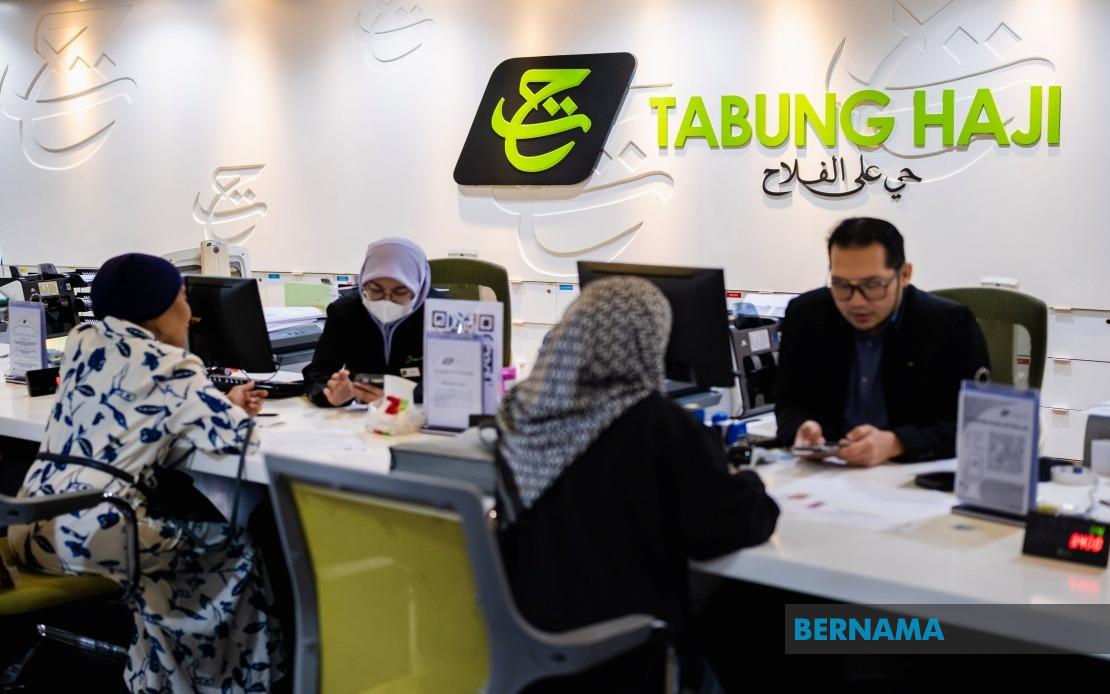
The path to recovering public trust in Tabung Haji lies fundamentally in severing the institution's ties to political decision-making, according to multiple analysts reviewing the Royal Commission of Inquiry findings. Following implementation of more than three-quarters of the RCI's recommendations concerning management and operations, the consensus among observers points to political interference as the core governance problem that undermined Malaysia's premier Islamic financial institution. The challenge now facing policymakers is demonstrating meaningful commitment to institutional independence rather than merely implementing technical reforms.
The Tabung Haji crisis exposed how political considerations can override professional judgment in managing the savings and pilgrimage funds of the Muslim community. From the perspective of deposit-holders and the broader Malaysian Islamic establishment, the reputational damage extends beyond financial losses to encompass questions about whether the institution genuinely serves religious and community interests or merely functions as a vehicle for political patronage. Analysts argue that restoring this confidence requires visible, structural changes that make political interference materially more difficult to exercise, rather than relying on goodwill or administrative directives alone.
Prof Dr Azmi Hassan of the Nusantara Academy for Strategic Research identifies the core challenge: separating Tabung Haji's identity and decision-making from political interests has become nearly impossible in the current institutional arrangement. Nearly every major decision, from routine operational matters to the recent tabling of RCI findings in parliament, carries political weight and implication. The professor contends that genuine recovery demands government acceptance of reduced control, replacing politically-connected appointees with professionals whose primary accountability runs to fiduciary duty rather than party loyalty. Without demonstrable moves toward this independence, future declarations of reform will lack credibility among depositors.
Dr Mohd Amim Othman of Universiti Putra Malaysia points to existing Malaysian models demonstrating that large financial institutions can thrive under professional management insulated from political pressures. Both the Employees Provident Fund and Permodalan Nasional Berhad operate effectively while maintaining independence from political interference. The central obstacle, he argues, is not scarcity of qualified Malaysian professionals capable of leading Tabung Haji competently, but rather politicians' reluctance to genuinely cede control. Meaningful implementation of RCI recommendations regarding ministerial powers, board authority, and regulatory oversight would create structural barriers to the political meddling that contributed to poor investment decisions.
The investment decisions that precipitated Tabung Haji's crisis illustrate how political dynamics can compromise risk assessment and professional judgment. Dr Saizal Pinjaman of Universiti Malaysia Sabah highlights the Al-Rawda investment in Saudi Arabia as exemplary of this danger—the institution's largest single loss proceeded despite incomplete due diligence processes. Political pressure to approve investments or maintain positions regardless of incomplete information creates systematic vulnerabilities. When board members or executives fear career consequences for raising risk concerns, professional safeguards erode. The director emphasizes that granting management independence cannot mean abandoning accountability; rather, professional autonomy must coexist with rigorous oversight mechanisms ensuring decisions serve institutional and depositor interests.
For Tabung Haji's recovery to extend beyond financial stabilization to rebuilding community confidence, the institution must convincingly re-establish its legitimacy as serving the Muslim population rather than political interests. Dr Noor Nirwandy Mat Noordin of Universiti Teknologi MARA stresses that Tabung Haji represents something significant in the heritage and identity of Malaysian Muslims. The crisis damaged not merely balance sheets but this symbolic role. Restoration requires moving quickly to demonstrate that decisions prioritize depositor welfare and community interests. Transparency in management and investment decisions serves both practical and symbolic functions—transparency itself signals that the institution has nothing to hide and operates according to professional norms rather than political calculation.
The generational dimension compounds the urgency of these reforms. Following the RCI disclosures, existing members have reduced contributions, potentially constraining investment capital for future returns. Younger Malaysians, less invested in historical trust in Tabung Haji and more skeptical of institutions connected to political patronage, represent the source of future growth and stability. Attracting younger depositors requires not simply financial performance but institutional credibility. Expanding product offerings and modernizing access may help, but these tactical moves cannot substitute for fundamental confidence that the institution operates professionally and independently. Without addressing the political interference question directly, Tabung Haji risks gradual demographic erosion as older members maintain accounts while younger cohorts avoid participation.
The RCI implementation progress to date suggests some structural improvements have occurred, yet the gap between technical compliance and genuine institutional transformation remains substantial. Experts recognize that recommended changes to ministerial powers, board composition, and regulatory frameworks address important mechanisms through which political interference operated. However, recommendations exist on paper, and their implementation depends on political will to accept reduced influence. The question facing Malaysia's leadership is whether recent criticism and the RCI process have created sufficient political cost to maintaining control that genuine independence becomes politically feasible. Interim periods during transitions present windows when entrenched interests may be weakened; whether this moment will be seized remains unclear.
Beyond structural reforms, Tabung Haji must engage external expertise and adopt more sophisticated approaches to investment evaluation and risk management. Bringing in independent experts for periodic review of investment strategies, economic trends, and competitive positioning would strengthen decision-making while providing additional layers of insulation from political pressure. The institution could benchmark practices against international Islamic finance standards and regional competitors. These measures serve dual purposes: improving institutional effectiveness while demonstrating commitment to professional international norms rather than domestic political considerations. For Southeast Asian readers, Tabung Haji's experience illustrates how political instrumentalization of financial institutions creates systemic vulnerabilities affecting not merely individual institutions but broader economic stability and investor confidence.
The broader implications for Malaysia's governance and financial system extend beyond a single institution. Tabung Haji manages assets belonging to millions of ordinary Malaysians saving for religious obligations; the institution's failures represent direct losses to working people and retirees. The case demonstrates that professional governance and political insulation serve not merely technical economic interests but fundamental fairness and social contract principles. When politically-connected decision-makers can impose losses on depositors to pursue institutional objectives unrelated to depositor welfare, the legitimacy of broader governance systems suffers. Recovery of Tabung Haji's standing depends fundamentally on whether Malaysia can genuinely subordinate political interests to fiduciary duty—a test with implications far exceeding a single religious financial institution.

