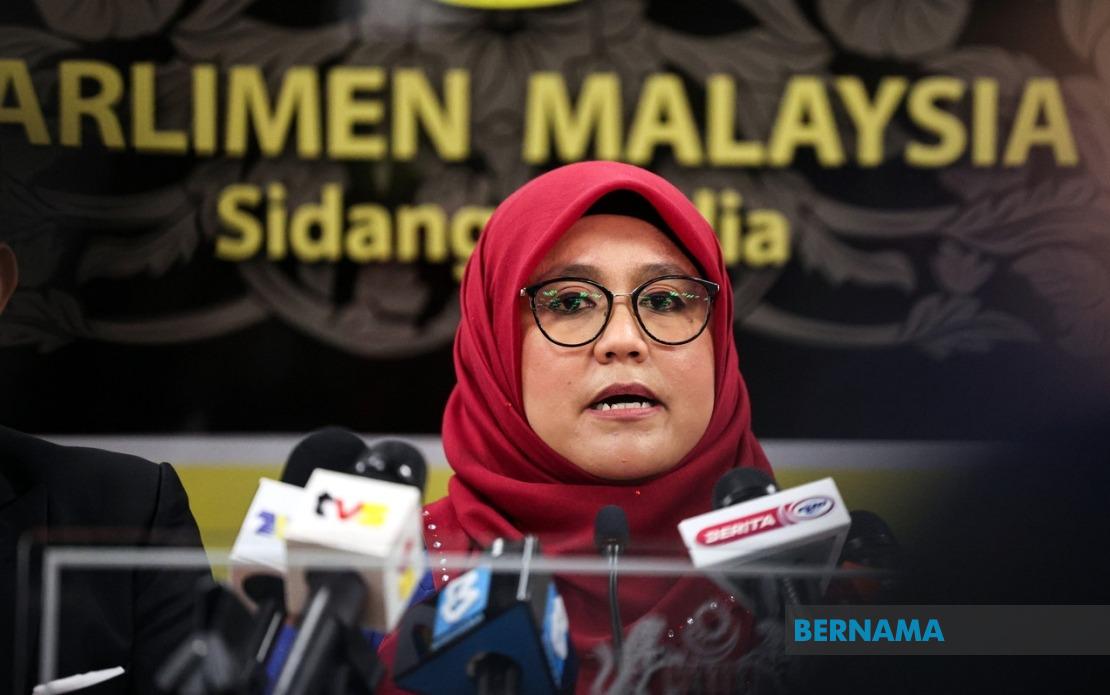
The Public Accounts Committee (PAC) has pinpointed a critical imbalance in Malaysia's healthcare cost structure: while doctors' professional fees have remained regulated since 2013, the uncontrolled pricing of ancillary hospital services is placing unsustainable pressure on health insurance premiums. PAC chairman Datuk Mas Ermieyati Samsudin revealed the committee's findings to parliament through Kapar MP Dr Halimah Ali, identifying a fundamental regulatory gap that has allowed private hospitals to inflate costs across multiple categories without government oversight.
The distinction between professional and non-professional charges is central to understanding the premium spiral. Doctor fees fall under regulatory supervision, constraining how much physicians can charge for their expertise and services. In sharp contrast, hospitals face no such restrictions on the costs they attach to medical supplies, equipment, pharmaceuticals, diagnostic tests, and laboratory work. Additionally, the expense categories that hospitals can pass on to patients—ranging from enhanced medical technology and sophisticated treatments to rising operational outlays covering staff wages, utilities, and technological infrastructure—remain entirely unmonitored. Litigation costs and expenses associated with defensive medicine practices further compound these unregulated expenditures.
Transparency represents another critical vulnerability that the PAC investigation exposed. Private hospitals across Malaysia operate without standardised billing frameworks, making it extraordinarily difficult for patients, insurers, and regulators to ascertain the genuine cost of any given medical service or commodity. This opacity creates fertile ground for cost inflation, as there exists little accountability for pricing decisions. The committee discovered that pharmaceutical prices frequently incorporate hidden subsidisation of operational expenses that hospitals do not itemise separately on bills, such as nursing labour and utility charges. This bundling obscures the true breakdown of costs and prevents meaningful comparison across facilities.
The PAC report documents specific charging practices that exemplify how the system disadvantages patients. Hospitals engage in unbundling—charging separately for items that logically belong within standard service packages. Clinical waste disposal, pillowcases, and alcohol swabs appear as distinct line items rather than being absorbed into room charges or foundational service costs. This fragmentation artificially inflates patient bills and masks the overall price structure. More significantly, the committee identified systematic price discrimination, where patients presenting guarantee letters from insurers are charged substantially higher rates than those who pay directly out-of-pocket or utilise pay-and-claim arrangements. Such differential pricing contradicts principles of equity and suggests that insurers absorb inflated costs, which they then recover through elevated premiums across their customer bases.
The pharmaceutical sector presents its own pathologies. The PAC investigation uncovered substantial mark-ups at multiple tiers of the medicine supply chain, creating a cascade of price inflation from manufacturer through to patient. In instances that defy rational pricing logic, generic medicines command prices exceeding those of branded innovator drugs—a reversal that typically signals inefficiency or potential collusion. The situation becomes more acute because Malaysia hosts more than 1,500 medicines with sole registered manufacturers within the country, effectively constituting monopolies. Without competitive alternatives, these single-source suppliers can impose premium prices without market pressure to moderate costs. The lack of therapeutic substitutes removes price constraints entirely.
For Malaysian healthcare consumers and the broader insurance sector, these dynamics carry profound implications. Rising premiums translate directly into diminished access, as working families and small businesses find health coverage increasingly unaffordable. Young and healthy individuals may drop coverage altogether, creating adverse selection where insurance pools shift toward older, sicker populations and require ever-steeper premium adjustments. This vicious cycle threatens the sustainability of private insurance markets and places greater demand on the public healthcare system, which already operates under tight budgetary constraints. The problem is not merely an inconvenience for affluent patients; it represents a structural challenge to equitable healthcare access across socioeconomic groups.
To remedy these deficiencies, the PAC has submitted 17 recommendations to government. Central among these is accelerating rollout of the Diagnosis-Related Group (DRG) payment system, a methodology that ties reimbursement to standardised treatment protocols rather than itemised billing. This approach has successfully constrained costs in jurisdictions worldwide by establishing baseline pricing for specific diagnoses. The committee further advocates amending existing legislation to grant regulatory authority over private hospital service charges beyond the current scope limited to professional fees. Such amendments would extend government oversight to encompass the non-professional cost categories currently driving premium inflation.
The PAC recommendations also target the pharmaceutical sector directly. The committee proposes that the Ministry of Health and the Ministry of Domestic Trade and Cost of Living establish mechanisms to regulate medicine and medical equipment prices, potentially through mechanisms such as reference pricing or therapeutic substitution requirements. The committee further suggests exploring direct procurement pathways from manufacturers—especially Malaysian producers—to circumvent intermediary suppliers and cartels that add layers of cost without corresponding value. These supply-chain interventions could significantly reduce the mark-ups currently embedded in pharmaceutical pricing.
Legislative reform constitutes another pillar of the PAC's strategy. The Private Healthcare Facilities and Services Act 1998 (Act 586) requires amendment to empower the Ministry of Health with explicit authority to regulate private hospital service charges across the full spectrum of non-professional categories. Current legislation constrains the ministry's scope, effectively leaving hospitals as price-setters in a largely uncontrolled market. Expanding regulatory purview would establish baseline standards and transparency requirements, creating parity between public and private sector accountability. Such amendments would represent a significant shift in healthcare governance, signalling parliament's determination to rein in uncontrolled cost inflation.
Parliamentary debate on the PAC report reflected broad consensus that the status quo is untenable. Members from both government and opposition blocs called for tighter regulation of hospital charges and medicine prices, alongside improved transparency requirements for insurance products and pricing. MPs emphasised the urgency of implementing the DRG system, recognising it as a proven mechanism for cost control. They also advocated strengthened collaboration among the Ministry of Health, Bank Negara Malaysia, and stakeholders across the healthcare ecosystem to address medical cost inflation as a systemic challenge requiring coordinated intervention. These appeals underscored that healthcare affordability has transcended partisan divides and become a priority across the political spectrum.
Beyond immediate regulatory remedies, parliamentarians urged systemic investments to counter private-sector cost drivers. They called for significantly increased funding for public healthcare facilities, reducing reliance on private hospitals and insurance products. A temporary freeze on fee increases at university hospitals emerged as a proposal to protect patients while the system establishes adequate alternative capacity. More provocatively, some MPs advocated higher taxation on private hospitals generating substantial profits from medical tourism, arguing that profitable export-oriented healthcare activities should subsidise domestic affordability. These broader proposals reflect recognition that cost containment requires not merely regulation but also strategic expansion of public-sector alternatives.
For Malaysian patients and policymakers, the PAC report serves as a crucial diagnostic document. It demonstrates that rising insurance premiums are not an inevitable byproduct of medical progress or ageing populations, but rather the consequence of specific pricing practices and regulatory gaps that remain susceptible to intervention. The 17 recommendations provide a roadmap for structural reform. Implementation of these proposals—particularly DRG-system rollout, legislative amendments to expand regulatory scope, pharmaceutical price regulation, and supply-chain optimisation—could meaningfully arrest the premium spiral. Without such interventions, healthcare affordability will continue deteriorating, with compounding effects on insurance market participation, public-sector strain, and equity across Malaysian society. The challenge now lies in translating parliamentary commitment into sustained governmental action across multiple ministries and regulatory bodies.

