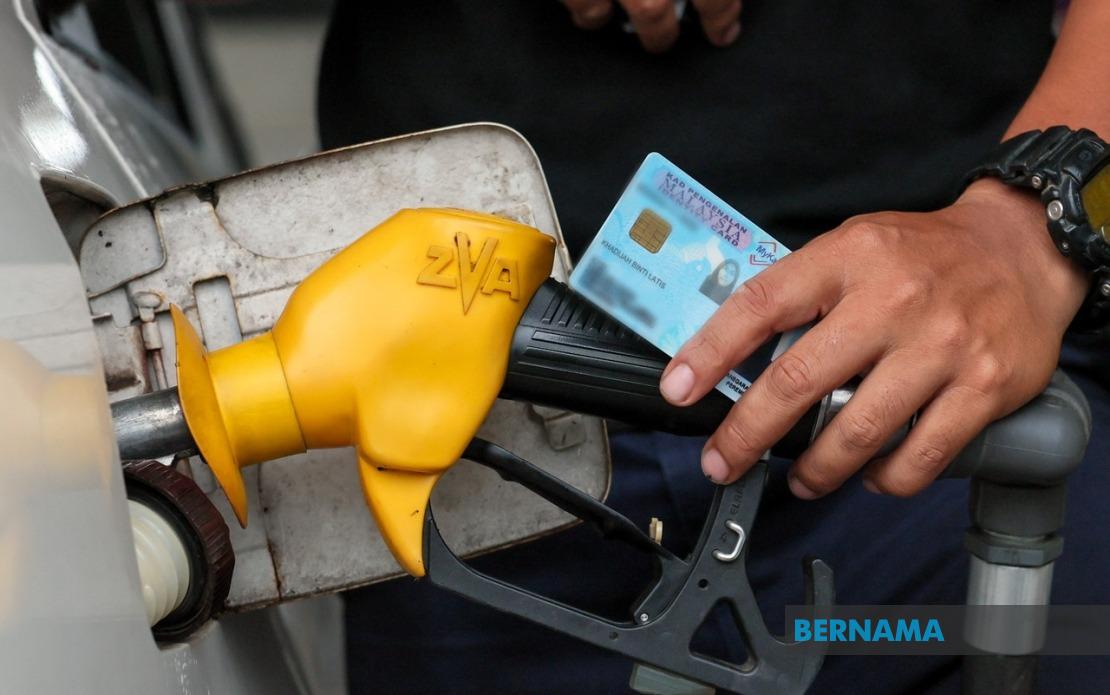
Prime Minister Datuk Seri Anwar Ibrahim has announced significant increases to fuel quotas under the BUDI MADANI subsidy programme, a move that has drawn widespread approval from workers, traders, and ordinary Malaysians struggling with the rising cost of living. The announcement was made during the 2026 National Day 'Amanat Perdana' address at the Putrajaya International Convention Centre on August 30, with the enhanced quotas taking effect immediately. The decision represents a substantive policy shift aimed at providing targeted relief to eligible beneficiaries, reflecting government recognition of ongoing economic pressures faced by households and small enterprises across the country.
Under the revised scheme, the basic subsidy quota for RON95 petrol has been increased from 200 litres to 300 litres monthly, while diesel quotas have risen from 300 litres to 400 litres. This 50 percent increase in petrol allowances and a comparable boost to diesel provisions effectively expands the purchasing power of eligible Malaysians, allowing them to access cheaper fuel at designated pumps rather than paying market rates for additional consumption. For a nation where vehicle ownership is nearly ubiquitous and road transport remains the primary logistics backbone for commerce, such adjustments directly impact household budgets and business profitability across multiple sectors. The timing of this announcement—during National Day address—underscores the government's intention to position fuel subsidy improvements as a cornerstone of its cost-of-living mitigation strategy.
The BUDI MADANI programme itself functions as a geofenced, card-based system designed to channel fuel subsidies efficiently to predetermined eligible groups rather than providing blanket price controls at the pump. This targeted approach contrasts with previous broad-based subsidy models and reflects a contemporary understanding of fiscal responsibility while attempting to maintain social safety nets. By restricting subsidised fuel access to specific quotas and beneficiary categories, the government aims to manage subsidy costs while ensuring that the poorest and most vulnerable Malaysians receive proportionate assistance. The programme represents a compromise between completely unsubsidised fuel pricing—which would devastate low-income households—and expensive universal subsidies that strain government finances.
Furzani Ahmad, a 24-year-old private sector worker, exemplifies the demographic most positively affected by these changes. Commuting nearly 30 kilometres daily to his workplace, Ahmad previously found the 200-litre monthly quota marginal for his transport needs. With the increase to 300 litres, his monthly budget now accommodates his essential commuting while occasionally leaving room for unexpected journeys or emergencies. His experience reflects broader employment patterns in Malaysia's urban centres, where sprawling metropolitan areas force workers into lengthy commutes, making fuel costs a substantial component of take-home income calculations. For such workers, the quota increase translates directly into either reduced financial stress or the ability to redirect savings toward rent, food, or education.
Similarly, Darwisy Khairudin, aged 23, faces variable fuel demands depending on work assignments that occasionally extend beyond his standard 20 to 25 kilometre daily commute. For employees whose roles involve fieldwork, site visits, or travel across multiple locations, fuel consumption becomes unpredictable and difficult to budget accurately. The expanded quota provides these workers with greater flexibility and reduces the anxiety associated with running low on subsidised fuel before month's end. This predictability enhancement, though seemingly technical, carries real psychological and financial benefits for workers already stretched by multiple expenses.
The impact extends significantly into the commercial sector, particularly among small-scale transporters and logistics operators. Abdul Manan, a 63-year-old fruit stall operator, depends on diesel vehicles to transport produce from distant suppliers to his retail location. For traders operating in perishable goods, fuel costs directly determine product freshness, competitive pricing, and profit margins. When diesel quotas expand, operators like Manan can maintain lower transport costs without sacrificing supply chain efficiency or attempting to pass inflated logistics expenses onto consumers. His observation that the quota increase allows him to maintain reasonable retail prices illustrates how fuel assistance indirectly supports consumer price stability across the food sector—a matter of genuine national importance given Malaysia's import dependency for numerous food categories.
The decision to increase diesel quotas slightly more generously than petrol (100 litres versus 50 litres) reflects policy recognition that commercial operators and traders face disproportionate fuel demands compared to passenger vehicle users. Heavy-goods vehicles, delivery trucks, and commercial transport consume fuel far more intensively than private cars, making diesel allocation particularly consequential for the logistics and trading ecosystem. This calibrated approach suggests nuanced policymaking that distinguishes between personal transportation needs and economic productivity requirements.
Economically, these quota increases represent a significant fiscal commitment. Expanding subsidised fuel availability across millions of eligible Malaysians necessarily increases government expenditure on fuel assistance, a reality that must be reconciled with broader fiscal consolidation goals and debt sustainability concerns. The government's willingness to absorb these costs suggests either improved fiscal space from other sources or a deliberate reprioritisation of spending toward cost-of-living relief. Such decisions invariably involve trade-offs: money allocated to fuel subsidies cannot simultaneously fund infrastructure, education, or healthcare expansion.
The reception among both workers and traders indicates that these quota increases address a genuine policy gap that had emerged from previous restrictions. When the original 200-litre and 300-litre quotas were imposed, critics pointed to their inadequacy for realistic commuting and commercial transport patterns across Malaysia's geographically dispersed settlements. The restoration and expansion of quotas effectively acknowledges these earlier concerns while demonstrating government responsiveness to constituent economic hardship. Public perception matters substantially in democratic contexts, and this visible policy adjustment signals government attentiveness to the electorate's material concerns.
However, the sustainability of expanded fuel subsidy programmes remains an open question. Rising global crude oil prices could eventually render even expanded quotas inadequate, necessitating either further increases or policy recalibration. Additionally, the BUDI MADANI programme's targeting mechanism depends on accurate beneficiary registration and fraud prevention—persistent challenges in Malaysian government programmes. As quotas increase, so do incentives for misuse or system gaming, requiring robust monitoring infrastructure.
For ordinary Malaysians, particularly the working classes and small traders interviewed, these quota increases provide immediate and tangible relief from the chronic financial stress that characterises contemporary living in Malaysia. While modest in absolute terms—a few hundred ringgits monthly for individual beneficiaries—such improvements accumulate meaningfully when aggregated across millions of households and become psychologically significant when they enable families to allocate resources toward education, healthcare, or savings rather than purely subsistence spending. The announcement thus represents both genuine policy assistance and symbolic government recognition of citizen economic struggles, combining material benefit with political messaging.

