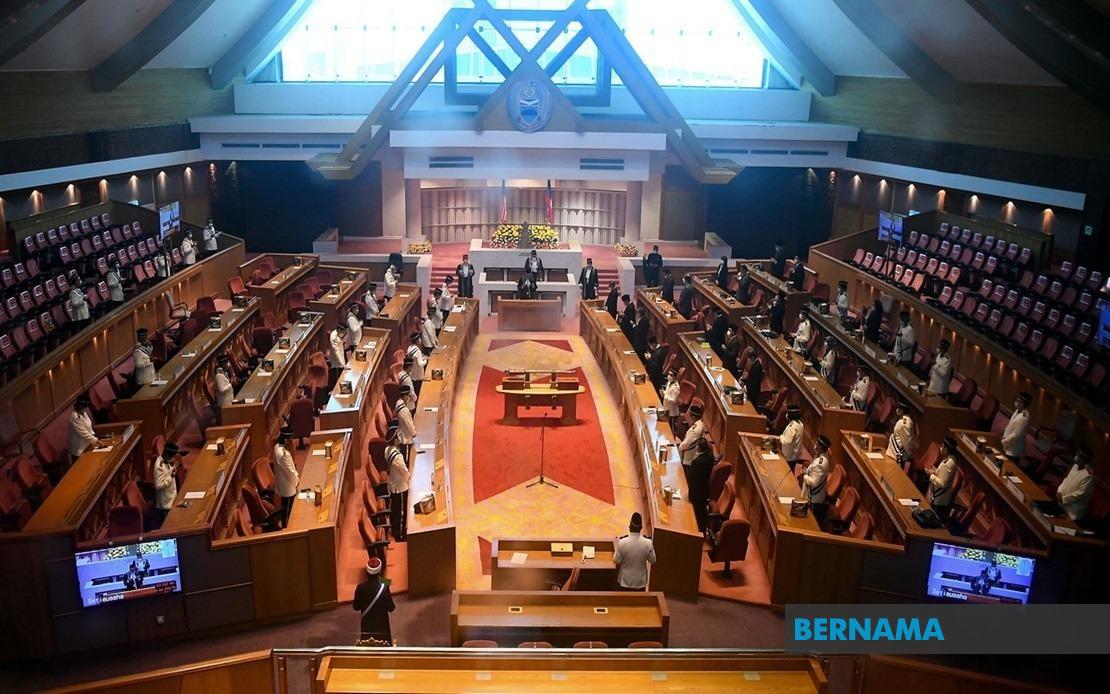
Sabah's escalating water loss problem has prompted state authorities to launch an ambitious remediation strategy, with the Sabah Water Department targeting a reduction in non-revenue water from its current alarming rate of 59.6 per cent to 45 per cent within the next six years. Speaking in the state legislative assembly on July 23, Assistant Minister of Works and Utilities Datuk Limus Jury outlined a comprehensive action plan that reflects growing recognition of how water wastage undermines service delivery and strains resources in a state facing mounting development pressures.
Non-revenue water—the volume of water lost through leaks, theft, and measurement inaccuracies before reaching paying customers—represents one of Southeast Asia's most persistent infrastructure challenges. Sabah's current rate of nearly 60 per cent is considerably higher than many developed systems and even exceeds averages seen in other Malaysian states, indicating substantial inefficiencies that compound the challenge of meeting demand during dry seasons. The target of 45 per cent by 2030, while ambitious, remains well above best-practice levels achieved in technologically advanced systems, suggesting the state recognises the practical limitations of rapid remediation while pursuing meaningful progress.
The Sabah Water Department has adopted a multi-pronged operational strategy to address the crisis. These interventions encompass integrated command-and-control operations designed to eliminate unauthorised connections, a persistent drain on systems across the region where informal settlements and rural areas frequently tap into mains supply without meters or payment. Simultaneously, the department is undertaking systematic replacement of ageing pipeline infrastructure, targeting critical sections most susceptible to failure and leakage. The programme also mandates replacement of faulty consumer meters and those exceeding seven years in service, acknowledging that accurate measurement is fundamental to identifying losses and holding customers accountable.
Pressure management and proactive leak detection represent the technological spine of the strategy. By systematically mapping distribution networks and employing active leakage control methodologies, the department can identify ruptures before they become catastrophic failures, enabling rapid repair cycles. This approach, common in water utilities worldwide, demands substantial investment in monitoring systems and trained personnel—resources that have historically constrained similar programmes in Malaysia's eastern regions where funding and technical expertise have lagged urban centres.
Funding arrangements reveal a division of labour between federal and state governments under the 13th Malaysia Plan framework. The federal government is supporting implementation across 18 districts, while state coffers will finance activities in a separate 12 districts, creating overlapping coverage that maximises geographic reach. This structure, while administratively complex, ensures that even remote areas benefit from the intervention programme rather than concentrating resources in easily accessible urban zones.
Three major urban centres—Kota Kinabalu, Tawau, and Lahad Datu—have become pilot zones for the NRW Rehabilitation, Monitoring and Maintenance Active Leakage Control Project. Kota Kinabalu's initiative commenced in September 2022 and is scheduled for completion in September 2024, with expectations of recovering 10 million litres daily from the distribution system. This single achievement would measurably improve supply reliability during peak demand periods and reduce the frequency of rationing that occasionally affects the capital's outer suburbs.
The larger interventions in Tawau and Lahad Datu began in February 2024 with completion targeted for February 2027, providing longer timeframes that accommodate the logistical complexities of working in towns with dense informal settlements and older infrastructure. Tawau's project aims to recover 14 million litres daily, making it the most ambitious of the three initiatives, while Lahad Datu targets 10 million litres daily recovery. Combined, these three projects alone would eliminate approximately 34 million litres daily from the loss column—a significant contribution toward the broader state-level target.
The implications for Malaysian water policy are noteworthy. Sabah's approach mirrors best-practice methodologies adopted in neighbouring regional economies and reflects lessons learned from earlier, less structured interventions. However, execution challenges remain formidable. Pipeline replacement programmes require disruption to supply networks during implementation, necessitating careful scheduling and communication with affected communities. Training sufficient personnel to operate sophisticated leak detection equipment demands sustained investment in human capital development, an area where Malaysian water utilities have faced historical constraints.
For Malaysian readers and regional observers, Sabah's initiative demonstrates both the urgency of water infrastructure reform and the feasibility of targeted improvement even within financially constrained state budgets. The 45 per cent target by 2030, while representing progress, underscores the scale of water loss challenges across Southeast Asia where aging infrastructure, rapid urbanisation, and insufficient maintenance funding create systemic inefficiencies. Success in Sabah could establish a replicable model for other Malaysian states and provide practical evidence of how coordinated federal-state funding and systematic operational improvement can bend the trajectory of water loss.
The timeframe also reflects realistic expectations about infrastructure transformation. Achieving dramatic improvements in NRW typically requires 10-15 years of sustained investment and operational focus rather than overnight solutions, a message that policymakers and public must internalise as water scarcity becomes increasingly pressing across the tropics. Sabah's commitment, articulated through Datuk Limus Jury's parliamentary statement, signals that state leadership recognises water security as fundamental to sustainable development and social stability.

