The Dewan Rakyat Speaker Tan Sri Dr Johari Abdul has officially confirmed receipt of formal notification documenting Larut MP Datuk Seri Hamzah Zainudin's status as opposition leader, marking an important institutional recognition of the opposition bloc's hierarchy ahead of the upcoming parliamentary session. The confirmation comes as Parliament prepares for substantive legislative activity following internal restructuring of both leadership roles and physical seating arrangements within the chamber.
With the parliamentary calendar indicating that the Second Meeting of the Fifth Session of the 15th Parliament will commence on June 22 and extend through July 16, the Speaker disclosed that multiple modifications to MPs' seating positions will take effect during this sitting period. These adjustments reflect evolving coalition dynamics and individual requests from parliamentary members seeking repositioning within the chamber's physical layout, which carries symbolic weight regarding political alignment and parliamentary standing.
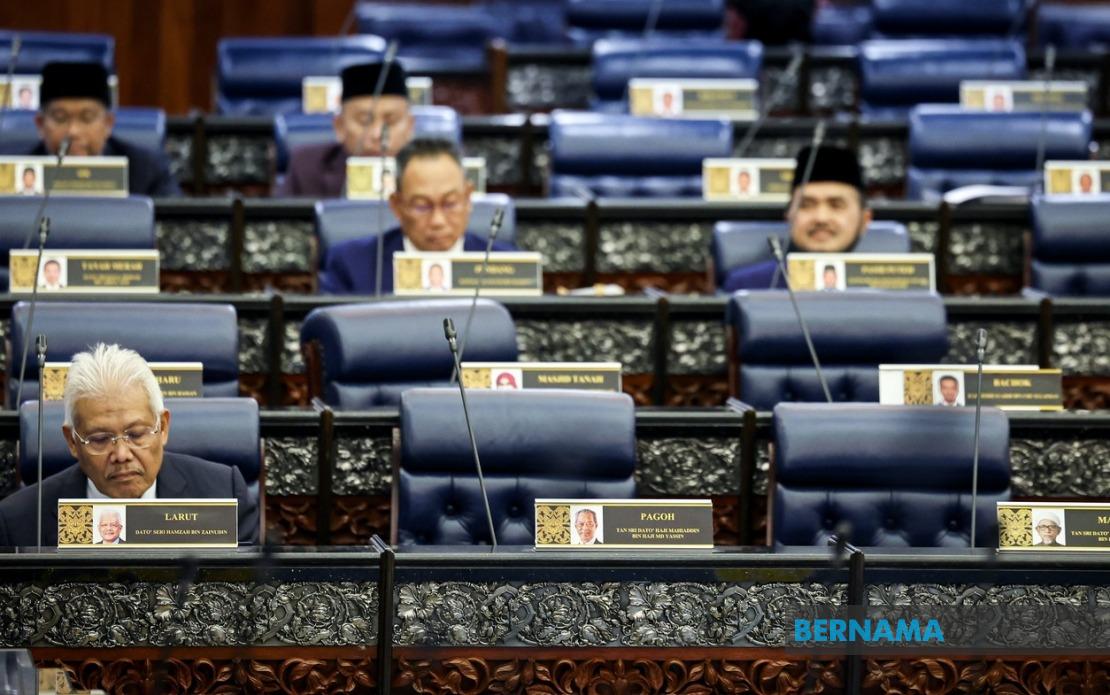
The most significant relocation involves Pagoh MP and Bersatu president Tan Sri Muhyiddin Yassin, who has been assigned seating in Block E of the Dewan Rakyat according to the updated seating plan released on June 19. This movement represents a change from his previous position and was reportedly initiated at Muhyiddin's own request, suggesting a deliberate strategic decision regarding his visibility and parliamentary positioning within the chamber rather than an administrative reassignment.
In contrast, Hamzah's position as opposition leader has resulted in continuity rather than disruption. His seat on the opposition front bench remains fixed, maintaining a prominent placement consistent with his elevated role within the opposition coalition. This stability underscores the formal acceptance of his leadership position and reflects Parliament's institutional acknowledgment of opposition bloc coherence despite ongoing factional complexities within Malaysian coalition politics.
Hamzah occupies the opposition front bench alongside Kemaman MP and Perikatan Nasional chairman Datuk Seri Dr Ahmad Samsuri Mokhtar, whose positioning alongside the opposition leader signifies PN's continued prominence within the larger opposition framework. The physical proximity and seating arrangement effectively communicate the organisational structure and hierarchies within the opposition, making parliamentary seating far more than merely administrative detail—it represents substantive political messaging within the chamber.
The broader context for these developments emerged during PAS president Tan Sri Abdul Hadi Awang's remarks at the Reset Malaysia Convention, where he publicly affirmed that Hamzah had resumed his opposition leader responsibilities. This public reaffirmation from a senior PAS figure provided critical political cover and validation for Hamzah's leadership role, particularly important given the fluid nature of Malaysian coalition dynamics where leadership arrangements frequently attract scrutiny and challenge.
For Malaysian readers and regional observers, these parliamentary developments carry significance extending beyond procedural matters. The formal confirmation of Hamzah's opposition leadership status represents institutional stabilisation within Malaysia's political opposition, which has experienced considerable fragmentation and leadership contests over recent parliamentary sessions. Clear designation of opposition leadership provides the parliamentary system with definitive points of engagement and accountability, strengthening institutional governance through explicit hierarchical clarity.
The seating adjustments, while seemingly technical, reflect deeper positioning within Malaysian politics. Muhyiddin's relocation to Block E and his specific request for this change may indicate strategic considerations regarding his visibility, distance from other faction members, or symbolic repositioning within Parliament. As Bersatu president navigating complex relationships with both PN allies and broader opposition structures, his seat choice carries political calculus about messaging and alignment during a period of ongoing coalition recalibration.
These parliamentary arrangements occur during a critical period for Malaysian politics, as the opposition seeks to present organised, coherent counter-positioning to government initiatives while managing internal diversity spanning Islamic parties, multi-ethnic coalitions, and competing leadership aspirations. Institutional clarity about opposition leadership, even through something as specific as formal Speaker confirmation, contributes toward the opposition's ability to function as an effective parliamentary force capable of scrutinising government action.
The June 22 commencement of parliamentary proceedings will test whether these formalised arrangements and seating modifications translate into effective opposition coordination and government accountability mechanisms. The extended session through mid-July provides substantial legislative calendar for testing both leadership dynamics and coalition cohesion under working parliamentary conditions rather than ceremonial settings.
Regional analysts tracking Malaysian political evolution will monitor whether Hamzah's confirmed opposition leadership role strengthens cross-factional coordination among opposition MPs, potentially affecting legislative outcomes on contested government bills and budgetary matters. Institutional confirmation matters less through symbolic gesture than through demonstrable capacity to coordinate parliamentary action and present unified alternatives to government positions on substantive policy matters facing the nation.