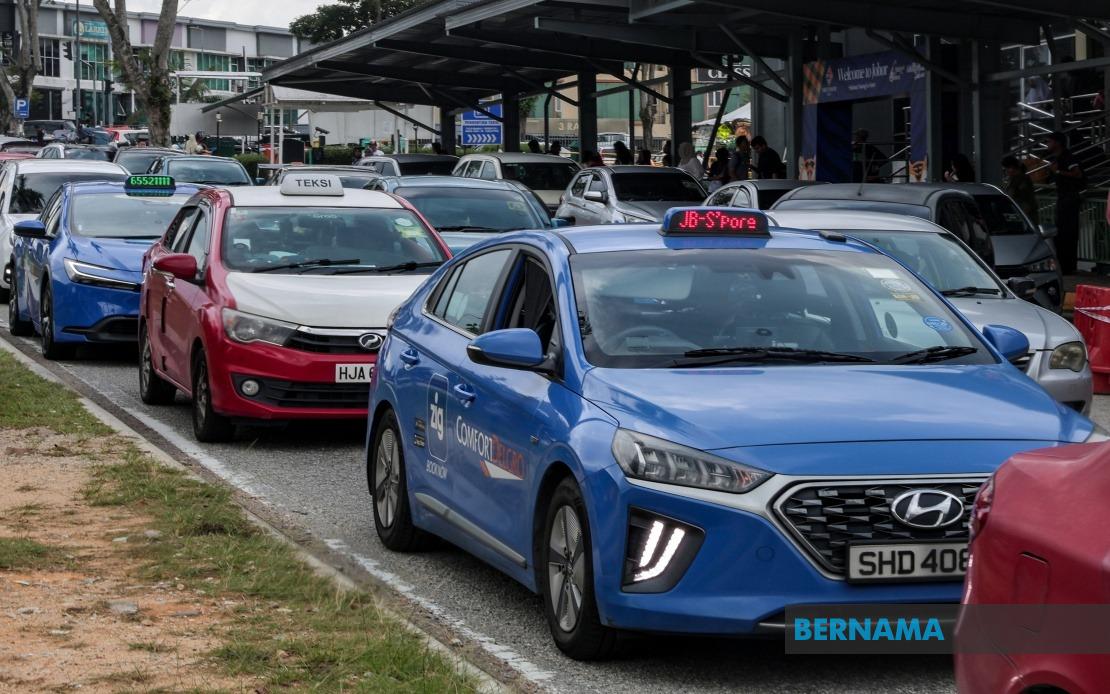
The Land Public Transport Agency (APAD) has introduced a pragmatic adjustment to the National MADANI Taxi Renewal Programme (Teksi MADANI), permitting taxi drivers to license or replace their vehicles with alternatives to the government-designated Proton S70 model. This policy shift addresses practical constraints facing operators within Malaysia's taxi industry, specifically accommodating drivers who either possess existing functional vehicles or have encountered difficulties securing hire-purchase financing approval for the standardised S70 package.
The flexibility represents a significant departure from the Transport Ministry's initial April 23 announcement, which had stipulated that new applications and vehicle replacements under Teksi MADANI would be strictly limited to the Proton S70 taxi package. APAD's decision acknowledges that while the programme aims to modernise the national taxi fleet and improve driver welfare through vehicle ownership rather than traditional leasing arrangements, a rigid single-model requirement could inadvertently exclude legitimate operators from participating. The agency's statement indicates this exception exists specifically to benefit applicants whose financial circumstances or existing asset positions make the S70 acquisition impractical within the programme's framework.
Understanding the context of this flexibility requires examining the broader transformation that Prime Minister Datuk Seri Anwar Ibrahim initiated when launching Teksi MADANI on July 3. The programme fundamentally restructures taxi industry economics by converting drivers from lease-dependent operators into actual vehicle owners, eliminating the long-standing practice where drivers paid recurring rental fees to vehicle owners or operators. This ownership model potentially stabilises driver income by removing lease obligations whilst enabling asset accumulation, a significant structural reform for an industry historically characterised by precarious employment conditions.
The selection of the Proton S70 as the official taxi model reflects strategic considerations beyond mere vehicle specification. The sedan represents a modernised image for Malaysia's taxi services, departing from the traditional rooftop identification signs that have characterised the industry for decades. Instead, taxis under Teksi MADANI utilise a distinctive vehicle registration series beginning with the letters "GET", creating immediate visual differentiation whilst maintaining government oversight through registration monitoring. This branding exercise accompanies the government's broader effort to elevate service quality perceptions and align Malaysian taxis with contemporary international standards.
The financing dimension underlying APAD's flexibility announcement proves particularly significant for understanding implementation realities. Hire-purchase arrangements constitute the primary mechanism enabling individual drivers to acquire vehicles, yet approval rates depend on multiple factors including credit history, income verification, and existing debt obligations. Many experienced taxi drivers, whilst demonstrating long operational records, may lack conventional credit documentation or possess debt ratios that exceed lender thresholds. Rather than excluding these capable operators entirely, APAD's allowance for alternative vehicle models ensures participation pathways remain open whilst the financing system adjusts to accommodate the programme's scale and demographic diversity.
Existing taxis operating outside the Teksi MADANI framework continue functioning legally until reaching specified vehicle age limits, indicating the government recognises a gradual transition rather than forced immediate replacement. This phased approach prevents sudden supply disruptions to Malaysia's taxi services whilst providing existing drivers time to evaluate participation feasibility. The distinction between what is encouraged and what is permissible reflects sophisticated programme management acknowledging that market transformation rarely proceeds uniformly across all market participants.
The government's supplementary resource commitment underscores its investment in taxi sector reform. Beyond the initial RM10 million allocation announced in Budget 2026 for Teksi MADANI implementation, Prime Minister Anwar Ibrahim announced an additional RM10 million specifically for the Old Vehicle Replacement Matching Grant Programme targeting taxi drivers. This matched-funding approach, where government contributions align with driver investment or trade-in values, accelerates fleet modernisation whilst distributing acquisition costs across both public and private stakeholders. For drivers replacing genuinely aged vehicles, matching grants substantially reduce their net acquisition costs, making participation economically rational even for drivers with modest reserves.
The implications for Malaysian urban transport extend beyond individual driver circumstances. Taxi services function as critical mobility infrastructure for populations lacking personal vehicles or preferring not to drive in congested city centres. Service quality, safety, and reliability depend substantially on driver income stability and vehicle condition. By enabling ownership rather than perpetual leasing, Teksi MADANI addresses long-standing structural problems that have incentivised drivers to minimise maintenance investments and maximise utilisation hours to cover lease payments. Ownership models theoretically encourage vehicle upkeep and sustainable operational practices.
Comparative Southeast Asian context reveals Malaysia's taxi reform addresses challenges common across the region. Thailand, Indonesia, and the Philippines have all grappled with taxi fleet modernisation, driver welfare, and service quality simultaneously. While ride-hailing platforms have disrupted traditional taxi markets across Southeast Asia, government-supported renewal programmes like Teksi MADANI represent strategic choices to preserve conventional taxi services rather than surrendering market share entirely to digital intermediaries. The flexibility APAD has introduced suggests recognition that sustainable reform requires accommodating existing industry dynamics rather than imposing uniform solutions.
Looking ahead, programme effectiveness will hinge substantially on participation rates amongst eligible drivers and successful acquisition completion. APAD's flexibility decision increases uptake potential by removing financial and operational barriers that might otherwise prove insurmountable for certain driver cohorts. Monitoring actual participation patterns across different geographic regions and driver demographics will reveal whether the optional approach achieves intended coverage or whether additional modifications become necessary. The adjustment also establishes precedent for responsive programme management, suggesting authorities remain willing to calibrate implementation based on emerging operational feedback rather than rigidly adhering to initial specifications.

