US President Donald Trump has announced a temporary freeze on maritime fees in the Strait of Hormuz lasting 60 days, yet dangled the prospect of American-imposed tolls once that window expires. Speaking via his Truth Social platform, Trump framed any future levies as compensation for Washington's role as a regional security guarantor, positioning potential charges as reimbursement for historical and prospective defence expenditures in West Asia.
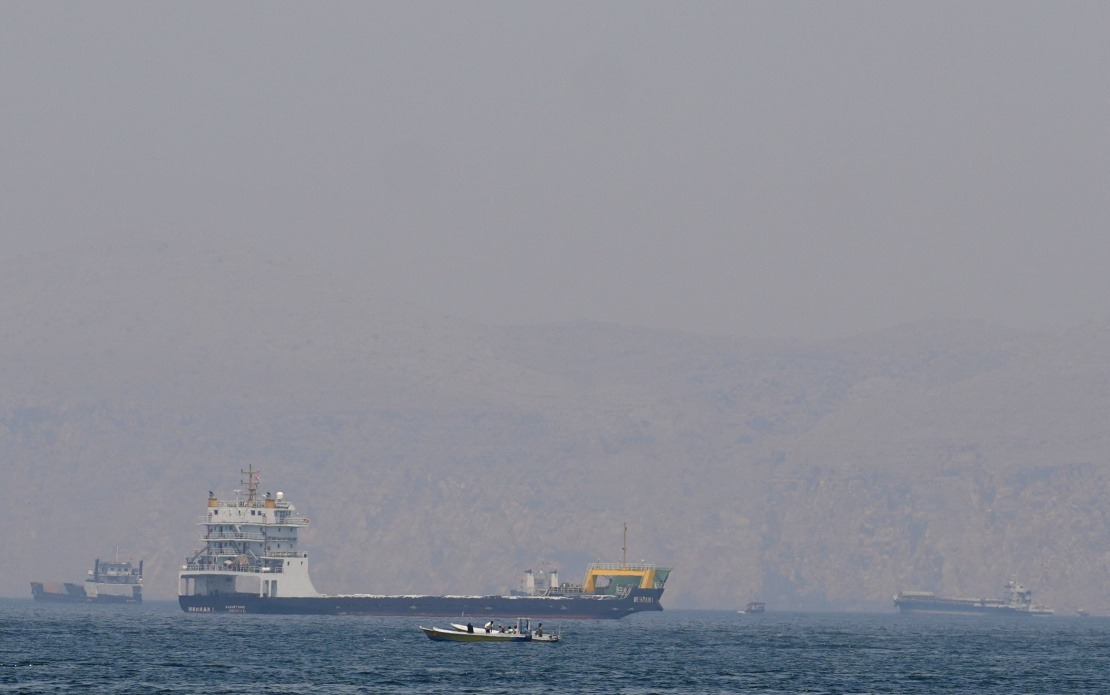
The declaration comes amid escalating tensions over control of one of the world's most strategically vital waterways. Trump's conditional ultimatum reveals a transactional approach to Middle Eastern stability, where continued free passage hinges on progress toward what he termed a "final deal." The implicit threat suggests that without a comprehensive regional agreement, the United States may unilaterally introduce tolling mechanisms—a move that would fundamentally reshape maritime commerce through a chokepoint through which roughly one-fifth of globally traded oil passes annually.
Iran's Khatam al-Anbiya Central Headquarters had claimed it would close the Strait of Hormuz in response to alleged American violations of ceasefire commitments and alleged Israeli breaches affecting Lebanon. The Iranian assertion represented a dramatic escalation, as control over the 21-nautical-mile waterway between Iran and Oman remains one of the most contentious geopolitical flash points in the region. Iran has previously threatened shipping lane disruptions during periods of heightened US-Iran tensions, though such closures have never materialised at scale.
The US Central Command swiftly rejected Iran's characterisation, with Captain Tim Hawkins of CENTCOM asserting to Axios that Iran does not possess the capacity to unilaterally control the Strait. Hawkins stressed that American forces maintain an active deterrent presence ensuring compliance with all agreement provisions, and that maritime traffic continues flowing without obstruction. This positioning underscores Washington's commitment to preserving freedom of navigation through the corridor, a principle central to American strategic interests and global energy security.
For Malaysia and other Southeast Asian economies heavily dependent on Middle Eastern oil and gas, the implications of this dispute carry substantial weight. The region's petrochemical industries, power generation, and manufacturing sectors all rely on stable energy supplies flowing through the Strait of Hormuz. Any prolonged disruption would immediately trigger price spikes rippling through Asian markets, affecting everything from fuel costs at Malaysian petrol pumps to manufacturing competitiveness across the region.
Trump's proposal to impose tolls presents an unconventional precedent with potentially destabilising consequences. Historically, the Strait of Hormuz has operated under international maritime law principles barring unilateral toll collection by any nation. Should Washington establish a precedent for collecting passage fees, it could invite other maritime chokepoints—including those in Southeast Asia such as the Malacca and Singapore straits—to implement similar mechanisms. This prospect alarms regional governments already concerned about great power competition in their waters.
The 60-day window Trump specified appears designed as a negotiating tactic, providing both a deadline for diplomatic resolution and a clear consequence for failure. This structure resembles previous Trump administration tactics of using time-limited threats to extract concessions. However, the specificity of the timeframe also suggests ongoing diplomatic channels remain active, even as public rhetoric becomes increasingly confrontational. The outcome of negotiations during this period will largely determine whether the Strait of Hormuz becomes a revenue-generating tool for Washington or whether international pressure and economic self-interest prevent such an unprecedented shift.
The broader context involves a complex web of ceasefire arrangements, Israeli security operations in Lebanon, and Iranian regional ambitions. Trump's statement conflates these distinct issues, treating them as leverage points in a larger negotiation over American strategic positioning. This bundling approach reflects Washington's desire to resolve multiple regional problems simultaneously, though it risks oversimplifying intricate local disputes with their own internal dynamics.
Regional powers have long viewed the Strait of Hormuz as a strategic asset. Iran has periodically threatened disruptions to extract political concessions, while Gulf Arab states rely on American naval presence to guarantee their own shipping security. Saudi Arabia and the United Arab Emirates, major oil exporters, have particular interest in maintaining unimpeded passage. Trump's toll proposal essentially monetises American military commitment, converting a security guarantee into a commercial transaction—a shift that may prove attractive to a fiscally-minded administration but could alienate traditional allies.
For Malaysian stakeholders, monitoring the 60-day period becomes critical. Energy security planning, investment decisions in petrochemical capacity, and shipping route strategies all depend on clarity regarding Strait access and costs. If tolls become normalised, Malaysian companies operating in the region must adjust operating models to accommodate new expenses. Alternatively, if the period concludes without agreement and threats escalate into actual closures, the economic consequences would extend far beyond energy prices into broader supply chain disruptions affecting Southeast Asian manufacturing.
The CENTCOM assertion that American forces remain vigilant serves both to reassure allies and deter hostile actions. The positioning of this statement immediately after Iran's closure threat telegraphs Washington's determination to maintain the status quo during negotiations. This military messaging, combined with Trump's toll announcement, creates a two-track approach: maintaining operational freedom of navigation while signalling financial consequences for non-cooperation with Washington's broader regional objectives.
The coming two months will reveal whether this negotiating strategy proves effective. Success would involve Iran accepting continued American military presence and ceasefire terms while backing away from closure threats, while simultaneously regional actors acknowledge American strategic interests warrant financial support. Failure could result in escalated rhetoric, more aggressive military posturing, and potentially actual disruptions to shipping traffic—consequences that would extend their economic impact across Asia and directly affect Malaysian household energy costs and industrial competitiveness.