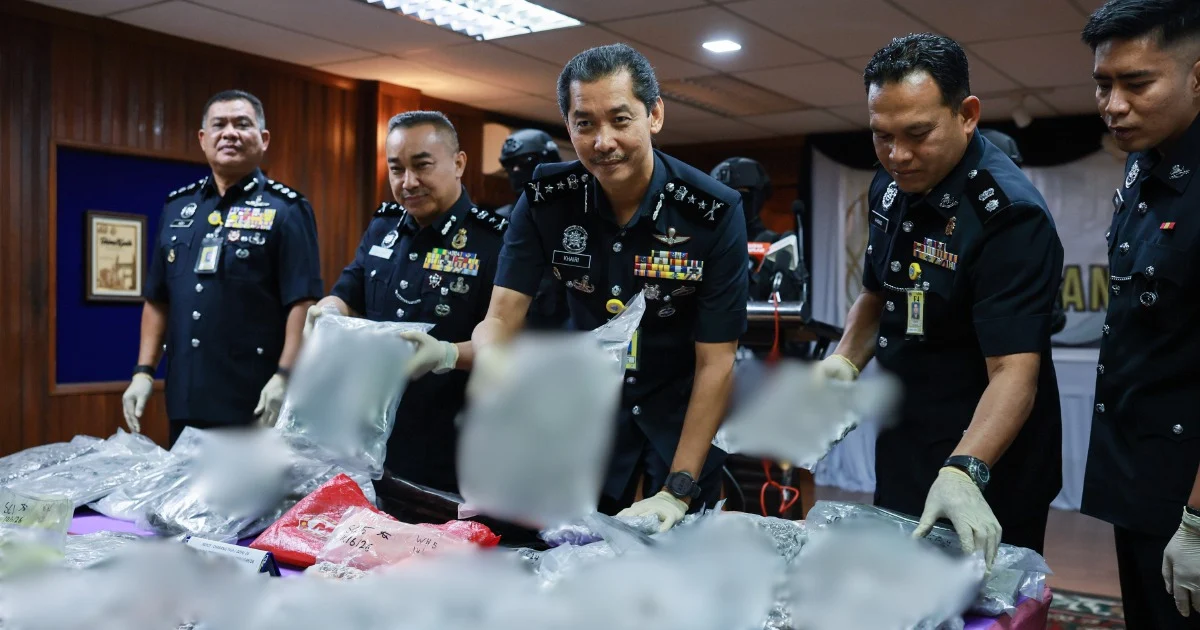
Police in Kuala Terengganu have moved against an alleged drug distribution network, detaining two brothers whose property in Kampung Duyong Besar served as a storage and distribution hub for narcotics trafficking. The operation represents the latest enforcement action against organised drug activities in Terengganu, a state that has grappled with persistent challenges in combating the illicit drug trade along its eastern coastline.
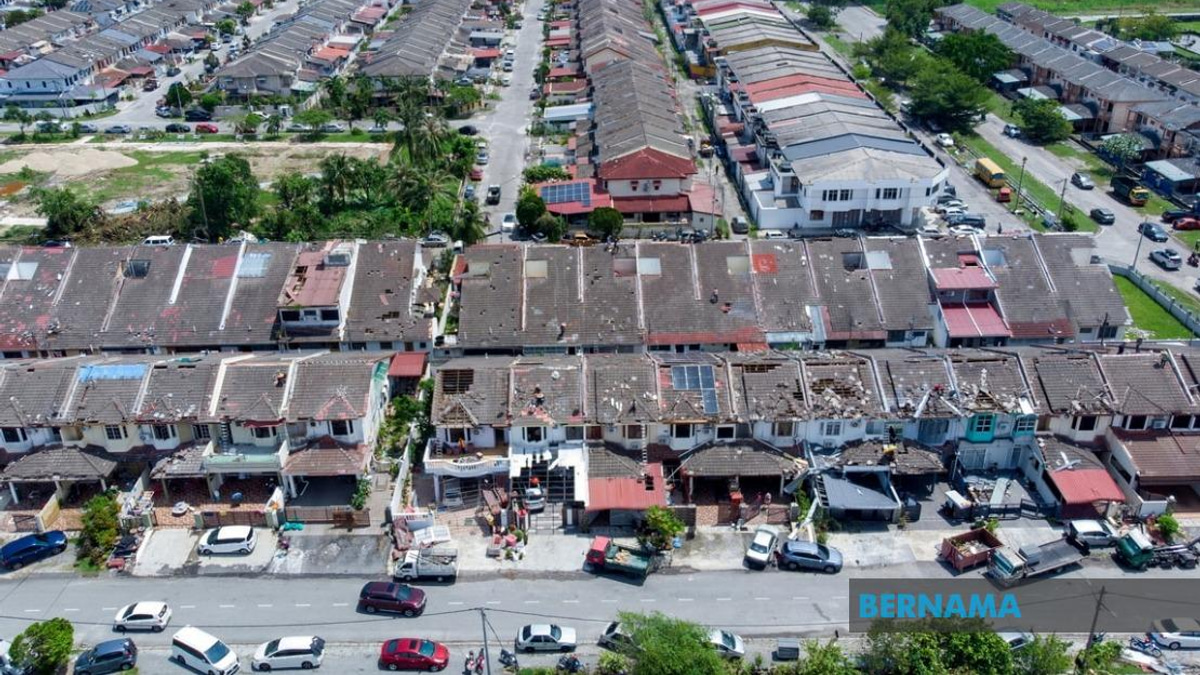
The arrests underscore how criminal syndicates continue to exploit residential properties as fronts for large-scale operations, transforming ordinary family homes into logistics centres for illicit commodities. By operating from a neighbourhood setting rather than purpose-built facilities, traffickers attempt to evade detection while maintaining proximity to distribution networks. The case reveals the strategic placement of storage sites in densely populated areas where frequent foot traffic and regular vehicular movement provide cover for regular supply runs.
With seized substances valued at RM1.76 million, the bust represents a significant disruption to local drug supply chains. This valuation typically reflects retail or street market prices rather than wholesale figures, indicating the quantity was substantial enough to service multiple distribution points across the region. The scale of confiscated materials suggests the operation had progressed beyond small-scale retail dealing into mid-level trafficking networks capable of supplying secondary dealers throughout Terengganu and potentially neighbouring states.
The involvement of family members in such operations is not uncommon in Malaysian drug cases. Kinship networks often provide the trust and operational flexibility that criminal enterprises require, though they also create vulnerabilities when one member is apprehended or cooperates with authorities. Two-person operations allow for division of labour—one brother might manage logistics while the other handles customer relationships—while the household setting offers social cover through the appearance of normal family life.
Kampung Duyong Besar's strategic location presents both advantages and vulnerabilities for those engaged in trafficking. The coastal village's connectivity to national highways facilitates transport logistics, while its waterfront position historically made it attractive to smuggling operations utilising maritime routes. However, this geographic prominence also means the locality receives routine police attention, particularly following intelligence about suspicious activities or increased trafficking reports.
Terengganu's position within the broader narcotics landscape has positioned it as both a transit zone and consumption market. The state's ports and coastal access points make it vulnerable to maritime drug smuggling from neighbouring countries. Simultaneously, inland distribution networks feed the substantial local user population, creating dual enforcement challenges for state authorities. Cases like this one occupy the middle layer of this supply structure—wholesale distribution rather than street-level retailing or international smuggling.
The brothers' apprehension follows months or years of potential surveillance, intelligence gathering, and coordination between various police units. Such operations typically involve narcotics divisions, local crime prevention bureaus, and intelligence branches working in concert. The precision in identifying both the location and the individuals responsible suggests informant assistance, financial intelligence, or controlled purchases that accumulated evidence over time.
From a regional Southeast Asian perspective, this arrest illustrates how drug trafficking increasingly operates through family and kinship structures rather than purely organised crime syndicates. This evolution complicates enforcement efforts because traditional hierarchical intelligence gathering becomes less effective when the network comprises blood relatives with pre-existing trust relationships. The prevalence of such arrangements also reflects the profitability of drug distribution, which incentivises families to participate despite severe criminal penalties.
The RM1.76 million valuation carries implications for understanding street-level pricing and market dynamics across Terengganu. If the seized quantity primarily comprised methamphetamine or ketamine—common synthetic drugs in Malaysian trafficking cases—the volume would run into tens of kilograms. Such quantities, distributed across several months, could service hundreds of regular users or feed dozens of smaller retail dealers. The operation's disruption therefore affects not just the immediate supply to direct customers but also the entire secondary distribution network dependent on this particular storage facility.
Moving forward, the cases against the two brothers will progress through Terengganu's court system under the Dangerous Drugs Act 1952, which carries severe penalties including lengthy imprisonment and potential capital charges depending on quantity and trafficking intent findings. Their detention creates investigative opportunities to map out broader networks—suppliers, buyers, logistics partners, and money handlers who may be revealed through interrogation and financial record examination.
For Malaysian law enforcement, the bust reinforces the necessity of sustained pressure on residential-based trafficking operations. Intelligence agencies and community policing initiatives must continue identifying properties being converted to illicit purposes. The case also highlights how inter-agency cooperation between state and federal forces, customs authorities, and intelligence services remains essential for dismantling organised narcotics networks that persistently adapt their methods to evade detection.
The arrest sends a clear message about police capacity and determination to pursue major trafficking suspects, though observers note that supply disruptions, however significant, remain temporary without sustained efforts addressing demand-side interventions. Treatment facilities, rehabilitation programmes, and community prevention initiatives ultimately prove necessary to create lasting impacts on the trafficking-consumption cycle that generates demand for operations like the one in Kampung Duyong Besar.