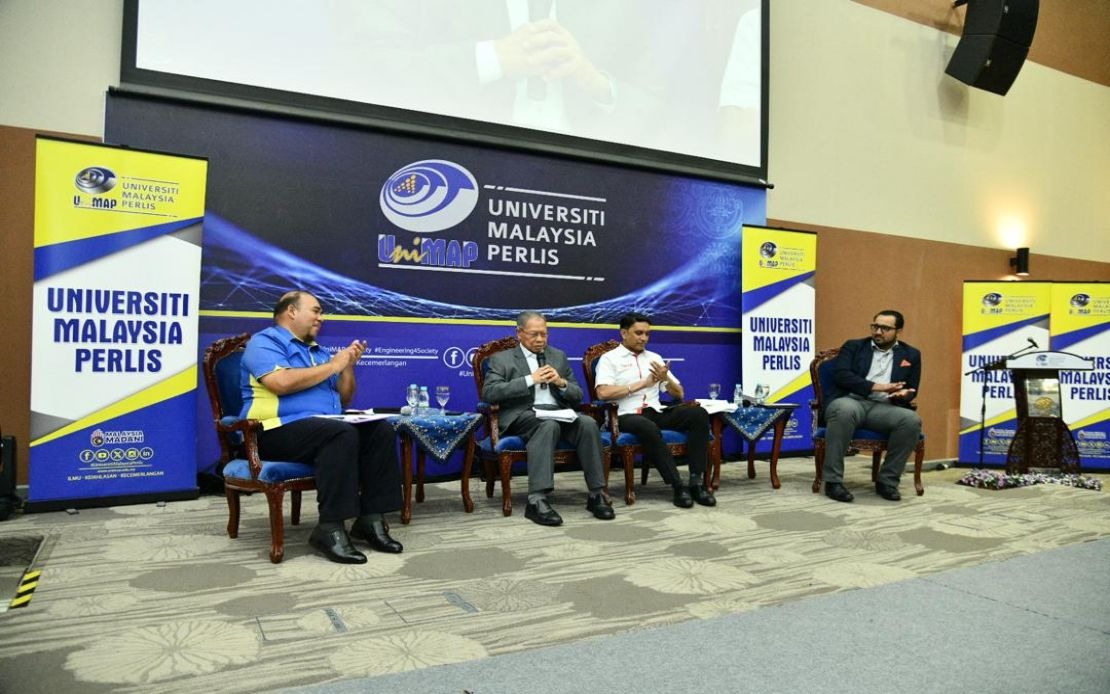
Universiti Malaysia Perlis (UniMAP) is emerging as a critical talent pipeline for Malaysia's burgeoning semiconductor industry, producing close to 2,000 graduates each year to address workforce shortages in the electrical, electronics and chip manufacturing sectors. The university's output represents a significant contribution to national economic strategy, particularly as Malaysia seeks to consolidate its position as a leading global semiconductor player amid intensifying international competition and rapid technological change.
In remarks delivered at the From Semiconductor Policy to Industry Forum held at the Arau campus, UniMAP Vice-Chancellor Datuk Prof Dr Zaliman Sauli underscored the institution's pivotal role in realising the National Semiconductor Strategy (NSS), a comprehensive government roadmap aiming to cultivate 60,000 qualified engineers and technical workers across the sector by the end of this decade. The figure represents an ambitious but achievable target, requiring sustained collaboration between educational institutions, government bodies and employers to bridge the current talent shortage that has constrained industry expansion and innovation capacity across Northern Malaysia and beyond.
Employability data compiled for 2024 and 2025 demonstrates the immediate market relevance of UniMAP's curricula, with over 30 per cent of the university's graduates securing positions within the E&E sector during their initial career transitions. This conversion rate reflects the alignment between academic programmes and industry requirements, though it also suggests substantial opportunity for further refinement as Malaysia seeks to absorb the ambitious workforce targets embedded in the National Semiconductor Strategy. The consistent placement of UniMAP graduates indicates strong employer confidence in the quality and practical applicability of the training delivered across the institution's engineering and technical disciplines.
The strategic importance of semiconductor manufacturing to Malaysia's economic future cannot be overstated. Zaliman highlighted that semiconductor technology now underpins virtually every major digital application globally, from consumer electronics and artificial intelligence systems to electric vehicle platforms and cloud computing infrastructure. As the world transitions toward these advanced applications, nations with secure semiconductor supply chains and abundant local talent gain decisive competitive advantages. Malaysia's historical strength in chip assembly and testing positions the country to capture greater value from these shifts, provided it can develop sufficient numbers of sophisticated technical personnel capable of managing increasingly complex manufacturing processes and emerging technologies.
Malaysia's current standing in global semiconductor trade underscores both the sector's significance to the national economy and the urgency of workforce development initiatives. The country ranks as the world's sixth-largest semiconductor exporter, accounting for seven per cent of global chip commerce. More impressively, Malaysian facilities control approximately 13 per cent of the worldwide Assembly, Testing and Packaging (ATP) market—a critical segment that adds substantial value to semiconductor manufacturing. These metrics reflect decades of industrial investment and expertise, yet they also mask vulnerabilities. The ATP segment, while profitable, remains labour-intensive and faces pressure from automation and wage competition from lower-cost jurisdictions. Upgrading Malaysia's position toward higher-value chip design, advanced manufacturing and innovation requires exactly the kind of skilled workforce that UniMAP and peer institutions are tasked with supplying.
Universal recognition of this challenge has prompted UniMAP to expand and deepen partnerships across the industrial ecosystem. The university has launched several initiatives designed to create seamless connections between academia and employers. Industry-on-Campus programmes embed working professionals within university settings, exposing students to real-world challenges and contemporary workplace practices. Industry Advisory Panels offer regular guidance on curriculum development, ensuring that course content evolves in tandem with shifting technical requirements. The recruitment of International Adjunct Professors brings frontier expertise and international perspectives directly into classrooms, while industry-recognised professional certification programmes stack credentials that enhance graduate marketability and professional mobility throughout Asia-Pacific labour markets.
Datuk Prof Dr Zaliman articulated a vision of tripartite governance in which government, industry and academia function as coordinated partners rather than discrete actors pursuing separate agendas. Effective implementation of the National Semiconductor Strategy hinges on this collaborative model. Universities must produce graduates aligned with employer specifications, industry must provide mentorship and employment pathways for emerging talent, and government must maintain policy stability, invest in research infrastructure and facilitate regulatory environments conducive to semiconductor cluster development. When these elements align, as Singapore and Taiwan have demonstrated, nations can sustain competitive advantages that transcend short-term economic cycles.
The forum itself reflected the seriousness with which Malaysia's leadership approaches semiconductor strategy. The event brought together Datuk Seri Dr Mustapa Mohamed, a former International Trade and Industry Minister whose portfolio encompassed semiconductor policy, alongside Datuk Mohamad Haris Kader Sultan of the Northern Corridor Implementation Authority—the developmental agency tasked with transforming the northern region into an integrated economic zone. Ahmed Zaki Moten, representing Micron Technology Inc Malaysia, contributed perspectives from one of the world's largest semiconductor manufacturers operating within the country, providing crucial insight into industry hiring practices and skill gaps impeding recruitment.
For Malaysian policymakers and educators, UniMAP's trajectory offers both encouragement and cautionary lessons. The university has positioned itself strategically within a high-growth sector experiencing genuine labour scarcity, yet annual output of 2,000 graduates falls substantially short of the 60,000-person target embedded in the National Semiconductor Strategy. Closing this gap requires either dramatic scaling of undergraduate and postgraduate intake across multiple institutions, or alternatively a reassessment of whether the 60,000 figure encompasses broader occupational categories including technicians, process engineers and skilled tradespeople rather than degree-holders alone. Either way, Malaysia's semiconductor ambitions rest ultimately on sustained investment in human capital development across the nation's university system, combined with industry commitment to creating career pathways that retain talent domestically rather than seeing graduates migrate toward higher-wage opportunities in Singapore, Taiwan or the United States.
The implications extend beyond Malaysia's borders. Malaysia's semiconductor sector forms part of an integrated regional supply chain spanning Southeast Asia, Taiwan, South Korea, and Japan. As Malaysia develops its workforce capabilities, it simultaneously strengthens the entire regional ecosystem's resilience and competitiveness. Conversely, regional talent competition intensifies pressure on Malaysian institutions to maintain educational quality and relevance. UniMAP's progress suggests that with sustained commitment and strategic partnerships, Malaysian universities can produce the skilled professionals necessary to sustain the country's position as a critical node in global semiconductor manufacturing and advance toward higher-value activities that generate greater prosperity and economic security for Malaysian society.

