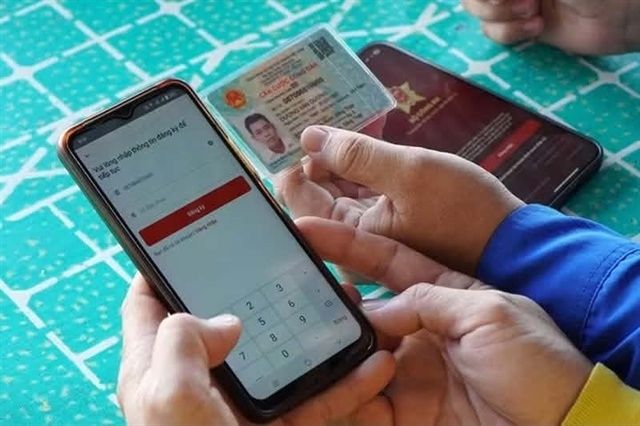
Vietnam has taken a significant step toward digital inclusion by allowing foreign nationals to access electronic identification accounts, according to a newly issued government decree reported by the Vietnam News Agency. The policy represents a modernisation of Vietnam's approach to digital governance and reflects growing regional trends toward seamless cross-border digital services. Foreign residents who have lawfully entered or are residing in Vietnam may now request electronic identification accounts at any tier of the system, marking a departure from previous restrictions that largely confined such privileges to Vietnamese citizens.
The decree carries broader implications beyond foreign nationals alone. It amends existing regulations governing electronic identification and authentication standards, introducing a principle of administrative efficiency that could reshape how Vietnamese residents and businesses interact with government services. Significantly, the new framework eliminates redundant documentation requirements by recognising that when relevant data have already been integrated into existing systems, individuals and organisations need not resubmit the same information. This streamlining could reduce bureaucratic friction and accelerate service delivery across multiple government agencies.
The electronic identification framework now operates across multiple tiers, each with specific eligibility criteria. Vietnamese citizens aged six years and older who possess a valid citizen identity card or identity document are eligible to obtain Level 1 or Level 2 electronic identification accounts. For younger children—those under six—the system permits Level 1 account creation for those who have already been issued an identity card, ensuring early registration into the digital ecosystem. This tiered approach suggests Vietnam is designing its digital infrastructure to accommodate the full lifecycle of its population, from infancy through adulthood.
Legal entities operating within Vietnam's jurisdiction have also gained prominence in the new decree. Agencies and organisations that have been established or registered to conduct operations in Vietnam can now obtain electronic identification accounts at any level upon request. This provision opens pathways for institutional integration into the digital system, potentially enabling businesses and government bodies to interact more efficiently with one another and with private citizens. The expansion to organisational accounts signals Vietnam's intent to create a comprehensive digital ecosystem rather than one limited to individual citizens.
The decree's most substantial innovation lies in its integration framework, which consolidates dozens of document types into the national identification application. The government has curated a list of 66 distinct documents issued to individuals that can now be digitally integrated and accessed through the system. These documents span multiple life domains: birth certificates and residence certificates provide foundational identity verification, while passports and visas address international mobility. Vehicle registration certificates, driving licences, and investment permits cover transportation and business operations respectively. By aggregating these documents into a single platform, Vietnam is attempting to create a unified digital identity that reduces the need for citizens to maintain paper copies or navigate fragmented databases.
For business entities and government agencies, the integration possibilities are even more expansive. The decree identifies 140 types of documents issued to organisations that can be incorporated into the system. These range from certificates of seal specimen registration and identification name certificates to business licences and export-import permits. This comprehensive approach suggests that Vietnam envisions a future where institutional actors can conduct much of their regulatory compliance and inter-agency coordination through digital channels rather than through physical documentation exchanges.
The implementation timeline for these changes carries particular significance for Southeast Asian observers. The decree will take effect on September 28, 2026, providing Vietnam and service providers with nearly two years to prepare for the transition. This phased approach allows time for system development, testing, and user education before full deployment. The extended lead time suggests Vietnamese authorities recognise the technical and logistical complexity of integrating foreign nationals into an electronic identification system while maintaining security protocols and data protection standards.
For Malaysia and other Southeast Asian nations, Vietnam's expansion of digital identification to foreign residents presents both a competitive benchmark and a collaborative opportunity. As regional economies increasingly rely on cross-border talent and investment, the ability to seamlessly onboard foreign workers and entrepreneurs into digital government services becomes a competitive advantage. Malaysian policymakers may observe how Vietnam manages foreign participation in its digital ecosystem, particularly regarding data security, fraud prevention, and compliance with international standards. The decree's scope suggests Vietnam is moving toward positioning itself as a digitally accessible destination for regional and international business.
The implications for foreign nationals currently in Vietnam or considering relocation are substantial. Access to electronic identification accounts simplifies interactions with government bodies, potentially facilitating activities ranging from opening bank accounts to registering businesses or accessing healthcare services. For multinational companies operating in Vietnam, the ability of their foreign staff to obtain digital identification credentials could streamline onboarding and reduce administrative overhead. This practical convenience may influence location decisions for businesses considering Vietnam as a regional hub.
The decree also reflects Vietnam's broader digital transformation agenda. By consolidating disparate document types into an integrated platform, the government is moving toward what many consider the future of governance: a unified digital identity system. Countries across Southeast Asia are pursuing similar initiatives, though at varying speeds and with different scopes. Vietnam's approach of including both citizens and foreign residents suggests a cosmopolitan vision of digital governance that prioritises functionality and user convenience alongside security and data protection.
Implementation challenges will inevitably emerge once the decree takes effect. Vietnamese authorities must establish robust mechanisms for verifying foreign nationals' eligibility and managing the digital credentials of non-permanent residents. Questions surrounding data residency, cross-border information sharing, and alignment with international data protection frameworks will require careful navigation. The success of this initiative will depend not only on technical infrastructure but also on training government staff and educating foreign residents about accessing and utilising their electronic identification accounts effectively.
As Vietnam moves forward with this digital expansion, regional observers will be watching closely to assess both the successes and challenges. For Malaysian readers and Southeast Asian stakeholders with business or personal interests in Vietnam, this development underscores the country's commitment to creating a more accessible and digitally sophisticated operating environment. The September 2026 implementation date provides sufficient runway for refinement, though early feedback and pilot programmes over the coming months could prove invaluable in refining processes before full launch.

