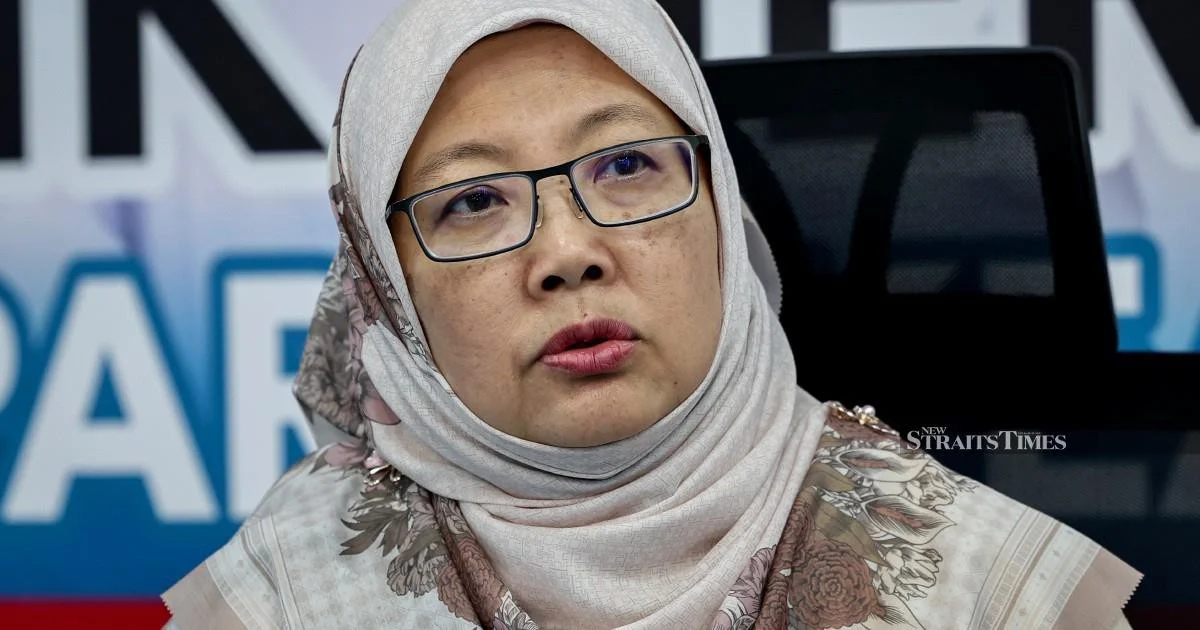
Pakatan Harapan continues to face mounting pressure from Barisan Nasional leadership in Johor to reveal its chief ministerial candidate ahead of state elections, but the latest demand from the ruling coalition is drawing fire for its perceived inconsistency. PKR vice-president Datuk Seri Dr Zaliha Mustafa has directly confronted Johor Barisan Nasional chairman Datuk Onn Hafiz Ghazi, pointing out that his insistence on this disclosure appears to shift depending on political circumstances, raising questions about the integrity of his negotiating positions.
The dispute centres on a procedural matter that has become central to pre-election jockeying in Malaysia's southern state. Onn Hafiz, who holds significant sway over BN's election strategy in Johor, has repeatedly argued that Pakatan Harapan ought to publicly commit to its menteri besar pick before voters head to the polls. This demand, on its surface, appears designed to increase transparency and allow voters to make informed choices about who will lead the state if the opposition wins. However, Zaliha's intervention suggests that this principle is selectively applied depending on which coalition is making the request.
The contradiction Zaliha identifies strikes at the heart of how Malaysian politics operates at the state level. If one accepts the premise that naming a menteri besar candidate before elections strengthens democratic accountability, then this standard should apply uniformly to all parties and coalitions entering the contest. Yet political parties frequently adopt different rules for themselves and their opponents. Zaliha's challenge forces Onn Hafiz to clarify whether this is a genuine principle he believes should govern election conduct, or merely a tactical advantage he seeks to gain over Pakatan Harapan.
This episode reflects deeper tensions within Johor's political landscape. The state has long been a BN stronghold, though opposition parties have made incremental gains in recent electoral cycles. Johor remains strategically vital for both coalitions—control of Malaysia's second-largest state by population and economy carries significant weight in national politics. The menteri besar candidacy therefore becomes not merely a local appointment but a symbol of broader coalition strength and legitimacy. For Onn Hafiz, who chairs the BN machinery in the state, securing this advantage could bolster his standing within the party hierarchy.
From a governance perspective, the debate illuminates a recurring challenge in Malaysian politics: the tension between electoral strategy and institutional norms. While some argue that pre-election disclosure of chief ministerial candidates enhances voter choice and reduces post-election surprises, others contend that forcing coalitions to name their picks months in advance constrains internal decision-making and can create unnecessary complications. Regional observers have noted that different states and nations adopt varying approaches to this question, reflecting different constitutional traditions and political cultures.
Zaliha's position as PKR vice-president gives her intervention substantial weight within Pakatan Harapan's leadership structure. Her willingness to publicly call out what she sees as double standards suggests that the opposition coalition is prepared to contest not just election outcomes but the terms under which campaigns are conducted. This shift from merely defending policy positions to defending procedural fairness indicates a maturing opposition that understands the importance of setting rules of engagement early in any electoral contest.
The timing of this exchange carries significance within the broader Malaysian political calendar. As the nation continues to navigate coalition dynamics at both federal and state levels, the question of how parties behave during campaigns becomes increasingly important. Voters in Johor and across Malaysia are watching how political leaders conduct themselves when they believe rules are being applied unfairly. The precedent established in Johor—whether candidates and their parties will acquiesce to demands they perceive as partisan, or whether they will contest them publicly—may influence political behaviour in future state elections.
Onn Hafiz's position as a senior BN figure means his positions carry implications beyond Johor itself. Barisan Nasional's approach to opposition candidates and coalition transparency could set patterns for how the ruling coalition engages with Pakatan Harapan in other states or at the federal level. If opposition parties successfully resist what they characterise as unfair procedural demands, this establishes a precedent that weakens the coalition's leverage in future negotiations. Conversely, if Pakatan Harapan yields to such pressure, it may invite more aggressive demands in subsequent contests.
The substance of Zaliha's critique—that Onn Hafiz's position appears internally contradictory—matters less for its immediate political impact than for what it reveals about how Malaysia's major coalitions view procedural fairness. Both Barisan Nasional and Pakatan Harapan claim to represent democratic values, yet when those values conflict with electoral advantage, their commitment is tested. By publicly identifying what she sees as inconsistency, Zaliha is essentially demanding that Onn Hafiz either abandon his demand or justify it on principled grounds that apply equally to all parties.
Looking forward, this spat foreshadows the kinds of conflicts likely to emerge as Johor's election approaches. Whether other BN or Pakatan Harapan figures take up Zaliha's argument, and whether public pressure influences Onn Hafiz's subsequent statements and actions, will reveal whether Malaysian politics is moving toward more consistent and transparent procedural standards or whether tactical advantage continues to trump principles of fair process. For Malaysian voters concerned about the health of electoral democracy, this exchange represents both an encouraging sign of willingness to contest unfair practices and a sobering reminder that such contests remain necessary.