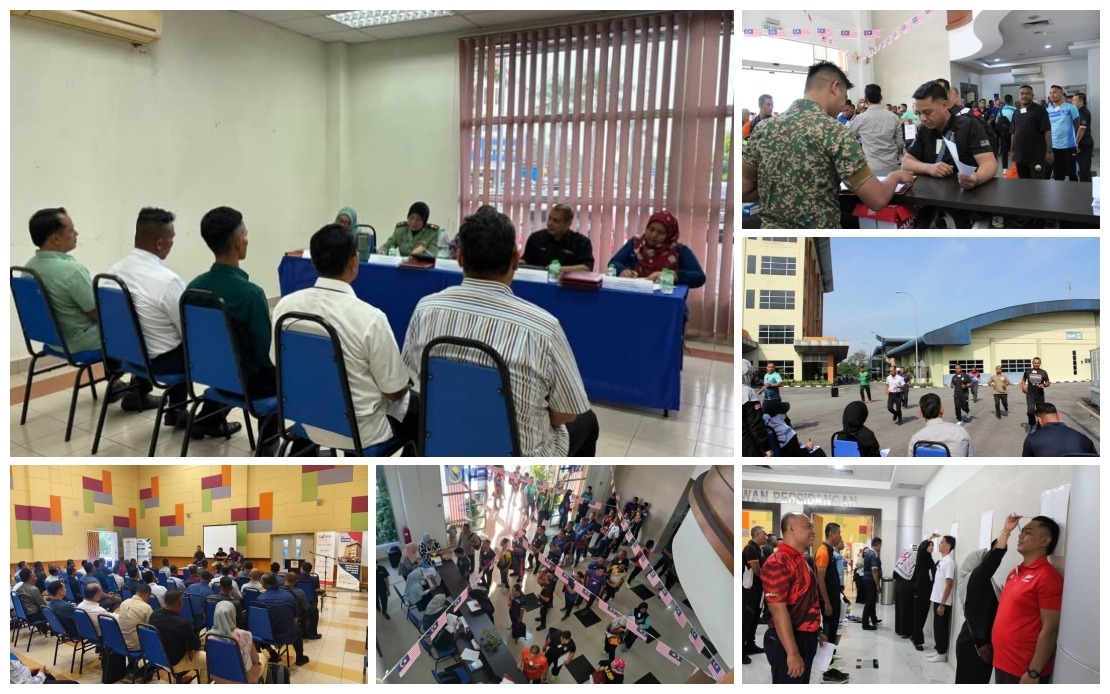
A significant recruitment drive for Malaysia's boarding school system has reached a critical milestone with 147 former military personnel completing physical assessment and interview sessions for Full-Time External Warden positions at MARA Junior Science Colleges (MRSM). The two-day selection process, held at the MARA Food Technology Incubator in Kepong, represents the latest phase of MARA's effort to strengthen pastoral care and discipline structures within its network of residential institutions. MARA Chairman Datuk Dr Asyraf Wajdi Dusuki announced the completion of interviews and emphasised the rigorous nature of the selection process, which has been designed to identify candidates who combine physical fitness with the interpersonal skills required for residential leadership roles.
The recruitment process has been structured around multiple layers of screening to ensure only the most suitable candidates progress to appointment. Each of the 147 participants had already cleared two preceding phases of online assessment before being invited to the in-person evaluation sessions. This graduated approach suggests MARA's determination to appoint individuals who meet both baseline competency requirements and personal attributes aligned with the organisation's broader educational mission. The physical interview stage itself incorporated three distinct assessment components: Body Mass Index screening, the Bleep Test for cardiovascular fitness, and a structured face-to-face interview designed to evaluate suitability for supervisory and mentoring roles.
The timing of these appointments carries operational significance for MARA's institutional calendar. All candidates who successfully navigate the selection process are scheduled to commence their duties on July 1, a date that typically aligns with the new academic year and residential intake cycles at MRSM facilities. This compressed transition period between final interviews and job commencement suggests that MARA has a defined need to fill warden positions promptly, possibly to address existing gaps in residential supervision or to implement expanded pastoral care programmes.
The role of MRSM wardens extends considerably beyond conventional discipline enforcement. According to Datuk Dr Asyraf Wajdi, these appointees must internalise and actively promote MARA's educational philosophy, functioning as more than security-focused supervisors. The characterisation of wardens as "second mothers and fathers" to boarding students reflects an understanding of their responsibilities that encompasses guidance, mentoring, and emotional support—roles that demand maturity, empathy, and lived experience beyond what purely technical competency assessments might capture. The emphasis on embodying institutional values suggests that MARA is seeking individuals who can model behavioural standards and contribute to the character development of adolescent residents.
Mental health and social welfare considerations feature prominently in MARA's stated objectives for this warden recruitment initiative. Datuk Dr Asyraf Wajdi explicitly identified bullying, disciplinary misconduct, and broader social problems as issues that the warden cadre is expected to help address. By recruiting experienced former military personnel, MARA appears to be betting that individuals with formal training in hierarchy, protocol, and group management might be better equipped to prevent peer-on-peer harm and intervene constructively in behavioural crises. This approach reflects a growing recognition within Malaysian educational institutions that the mental health and social cohesion of boarding populations require dedicated, skilled attention.
The gender dimension of the recruitment drive warrants attention, as it indicates MARA's commitment to mixed-gender residential supervision. Datuk Dr Asyraf Wajdi noted that a separate cohort of 162 female former military personnel is scheduled to undergo its own physical interview sessions in the week following the male candidates' completion. This planned parallel recruitment suggests that MARA intends to achieve gender balance among its warden complement, an approach that may serve multiple purposes: providing role models across genders, reducing safeguarding risks through mixed-gender supervision teams, and creating mentoring opportunities for female students within predominantly female-staffed residential spaces.
The sourcing of wardens exclusively from former military backgrounds raises interesting questions about institutional culture and leadership philosophy at MRSM. Military training inculcates discipline, chain-of-command awareness, and crisis management capabilities that may transfer effectively to the residential boarding environment. However, the military background also carries implicit assumptions about authority structures and behavioural modification techniques. That MARA has chosen to draw its warden cohort from this specific pool suggests a conscious decision to infuse the residential environment with personnel who share a common institutional and professional heritage.
Malaysia's MRSM network represents an important pipeline for academically advanced students, particularly those from modest socioeconomic backgrounds, to access high-quality science and mathematics education. The quality of residential life significantly influences whether students remain in these programmes or become discouraged by the boarding experience. By investing in careful warden selection and emphasising their role as educators and mentors rather than merely disciplinarians, MARA is tacitly acknowledging that residential support structures are integral to student retention and educational outcomes. This perspective aligns with international best practices in boarding school management, where pastoral care has emerged as a key differentiator between exceptional and merely adequate institutions.
The expansion of the warden cohort and the rigorous multi-stage selection process also signal MARA's confidence in its ability to fund and manage an expanded residential supervision workforce. The timing of the initiative, with newly appointed wardens beginning work in July, suggests that MARA has successfully secured budgetary approval and operational infrastructure to support additional permanent positions. In a context where Malaysian public education institutions often operate under resource constraints, this investment in residential care staffing represents a significant institutional priority.
Looking forward, the success of this recruitment and appointment process will likely be measured through changes in the student experience at MRSM facilities. Whether the presence of additional, carefully selected wardens translates into demonstrable improvements in student wellbeing, reduced disciplinary incidents, and enhanced academic focus will become apparent over the coming academic year. The initiative also sets a potential benchmark for other Malaysian boarding institutions—whether residential colleges, military academies, or other institutions—to consider similar approaches to pastoral care staffing and warden selection.
The structured, multi-phase approach to warden recruitment undertaken by MARA contrasts with less formal hiring practices that might characterise some other institutions. By implementing rigorous screening, physical fitness assessments, and competency-based interviews, MARA is positioning its residential leadership as a professional cadre rather than a secondary or part-time responsibility. This professionalisation of the warden role may have positive spillover effects on how the broader MRSM community perceives residential supervision and the importance of pastoral care in student development. The commitment to gender-balanced recruitment further signals institutional awareness of contemporary safeguarding expectations and the value of diverse mentoring perspectives within residential communities.