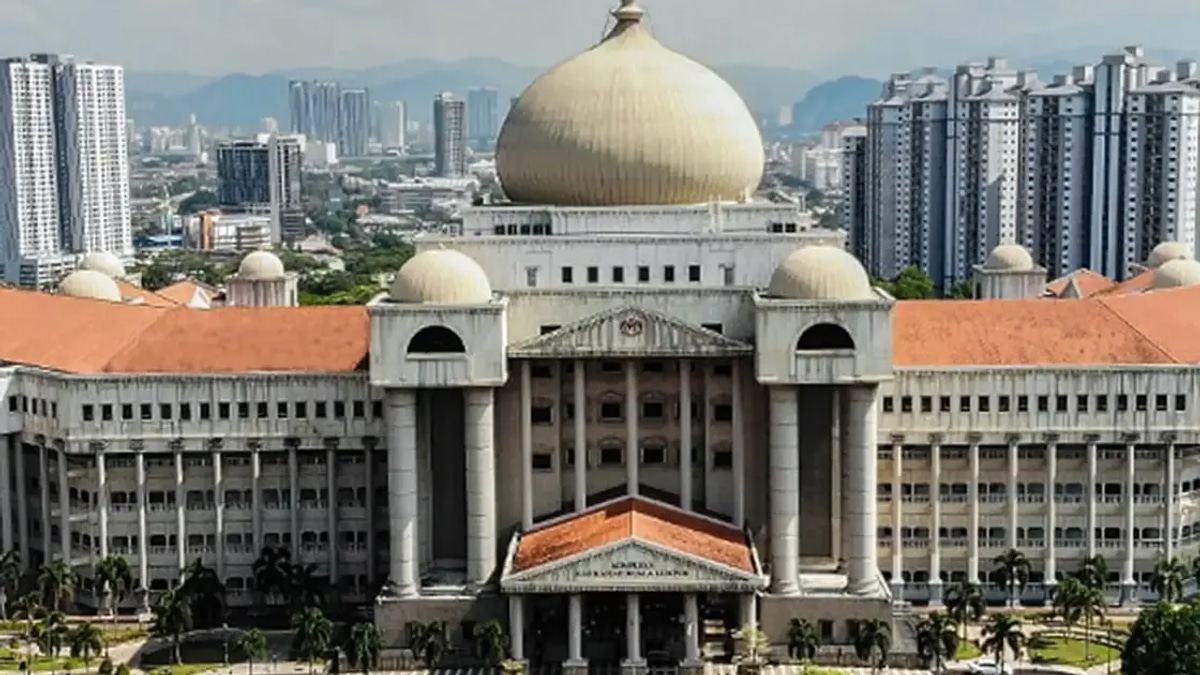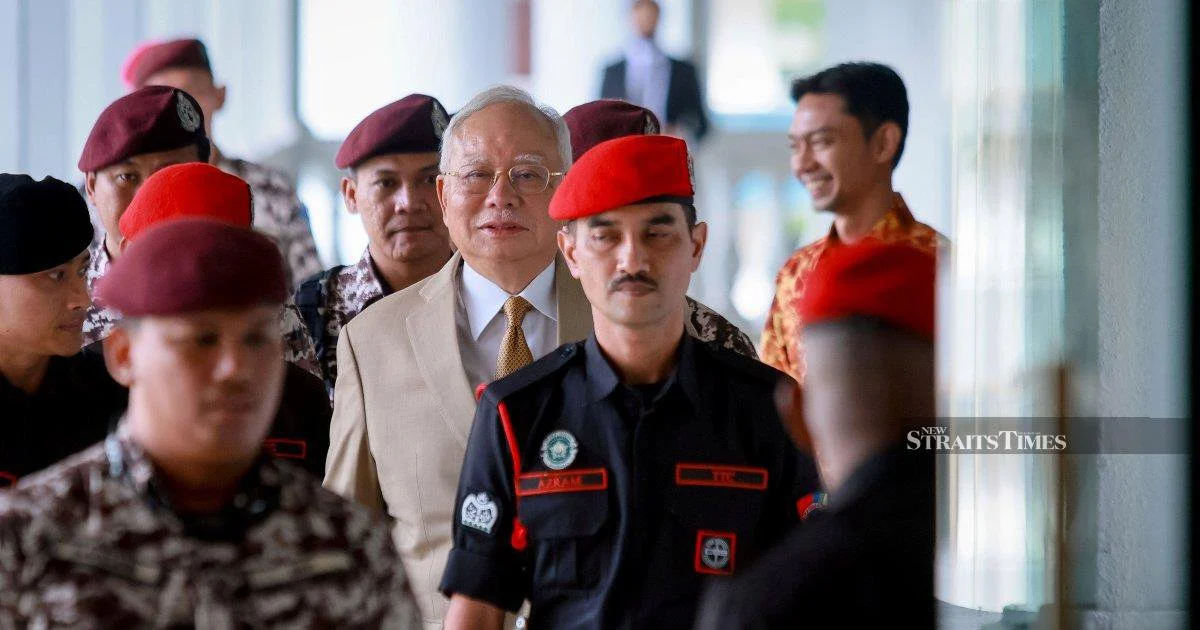
A Malaysian court has found that Datuk Seri Najib Razak's inaction regarding massive transfers of 1Malaysia Development Bhd (1MDB) funds into his personal bank accounts was patently unreasonable, delivering a potentially consequential judgment in a case that has dominated Malaysian legal and political discourse for nearly a decade.
The court's characterisation of the sums involved as substantial — implicitly rejecting any notion that they were trivial or incidental — underscores the scale of financial flows that moved through Najib's accounts during his tenure as Prime Minister. The finding addresses a critical aspect of the former leader's defence strategy, which had sought to minimize his personal responsibility for monitoring transactions routed through his own banking arrangements.
For Malaysian observers following the 1MDB saga, this judgment carries significance beyond the immediate case. The decision reinforces judicial scrutiny of the explanations offered by those occupying the highest offices of state, establishing a precedent that proximity to vast sums of money carries corresponding obligations of oversight and accountability. The court's reasoning suggests that ignorance or inaction cannot shield public officials from responsibility when extraordinary sums pass through their personal financial channels.
The 1MDB scandal has cast a long shadow over Malaysian governance since the state investment fund's collapse in 2015. Investigations and prosecutions have revealed an elaborate web of international transfers, shell companies, and complex financial engineering that allegedly siphoned billions of ringgit. The subsequent criminal and civil proceedings against Najib have become emblematic of Malaysia's struggles with financial transparency and the rule of law, attracting international attention from anti-corruption advocates and financial regulators worldwide.
The court's assessment of Najib's conduct must be contextualized within the broader evidentiary landscape that prosecutors have constructed. Banking records showing the flows into his accounts, forensic accounting that traces their origins to 1MDB structures, and testimony from financial intermediaries have collectively painted a picture of sustained high-value transactions. The judgment implicitly accepts that this volume and pattern of activity demanded explanation and active management from the account holder.
For Malaysia's political ecosystem, this ruling carries implications that extend beyond the courtroom. The finding that inaction in the face of extraordinary fund transfers constitutes unreasonable conduct potentially establishes standards of conduct that could influence how current and future government officials approach their financial disclosures and oversight responsibilities. Political leaders in Southeast Asia, where concerns about governance standards remain significant, will be watching how Malaysian courts continue to develop jurisprudence in this area.
The decision also reflects evolving judicial attitudes toward civil asset recovery and administrative accountability. Rather than focusing exclusively on criminal culpability, the court appears engaged in determining whether the management of state resources met acceptable standards of diligence and transparency. This distinction matters because it potentially creates multiple pathways through which accountability can be pursued, even when criminal charges face procedural or evidentiary obstacles.
International observers of Malaysian justice have noted that prosecutions arising from the 1MDB affair represent a significant test of the country's institutional capacity to address grand corruption involving senior political figures. Rulings like this one, which establish judicial willingness to scrutinize the conduct of former heads of government, contribute to the narrative of institutional resilience and commitment to the rule of law — elements that international investors and development partners consider when assessing the country's investment climate.
The court's language and reasoning also matter for future cases within Malaysia's legal system. By characterizing the fund transfers as decidedly substantial rather than marginal, the judgment creates precedent for similar scrutiny of other high-value transactions that pass through the accounts of public officials. This could influence how prosecutors frame cases and how judges evaluate defences in other financial crime prosecutions.
Najib's legal team will undoubtedly appeal or pursue alternative remedies, continuing a litigation saga that has already consumed years and substantial resources. However, the consistent pattern of judicial findings against him, accumulating across multiple cases and proceedings, suggests diminishing prospects for overturning convictions or adverse judgments. Each ruling narrows the available legal arguments and strengthens the factual record against him.
For ordinary Malaysians whose tax contributions funded 1MDB, and for those in Southeast Asia concerned about governance standards across the region, such judicial determinations represent important assertions that massive financial flows through personal accounts cannot proceed without accountability. The court's refusal to characterize billions of ringgit as inconsequential or subject to benign neglect signals that judicial institutions retain capacity to impose meaningful constraints on even the most powerful figures.
The broader implications for Malaysia's recovery from the 1MDB crisis remain uncertain. Financial reputational damage, international scrutiny, and reduced investor confidence persist even as legal proceedings continue. Yet consistent judicial enforcement of accountability standards, reflected in judgments like this one, contributes incrementally to the institutional rebuilding that many Malaysians believe the country requires. Whether such rulings ultimately catalyze broader governance reforms or simply mark individual instances of accountability against persistent structural weaknesses will become clearer as Malaysia's political and institutional landscape evolves.