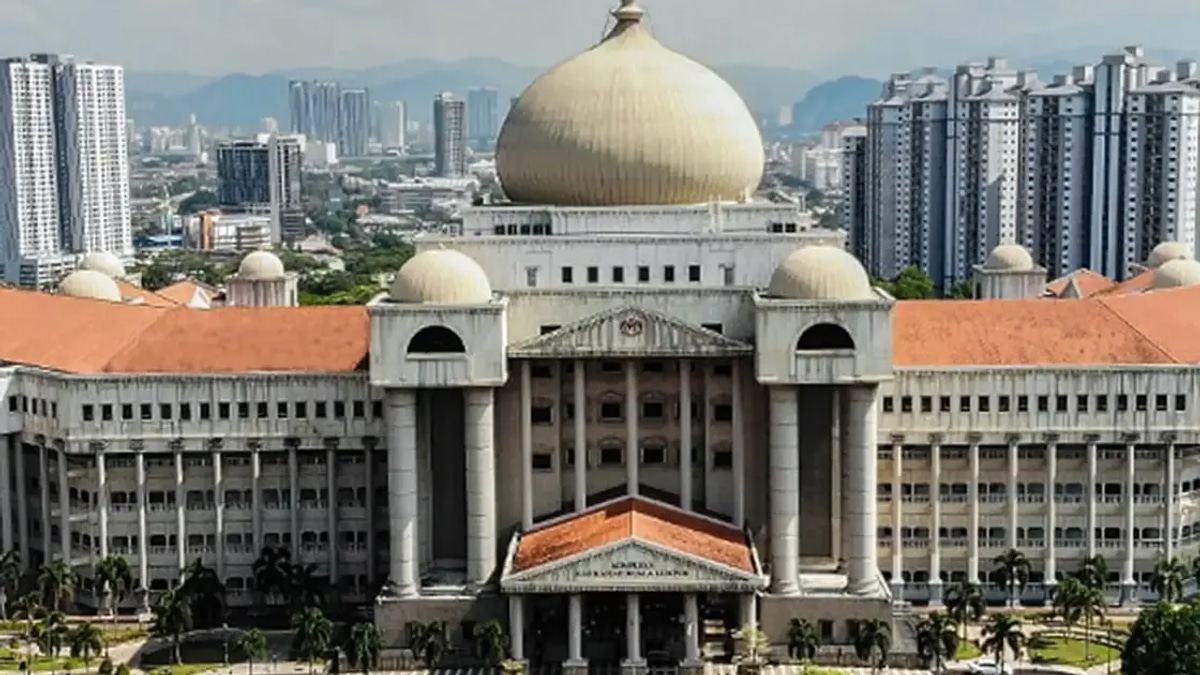
The long-awaited full judgment in Malaysia's most notorious modern financial crime case has been delivered, six months after former prime minister Datuk Seri Najib Razak was convicted on all charges relating to the 1Malaysia Development Bhd scandal. The federal court's decision provides a comprehensive examination of how billions of ringgit disappeared from the state investment fund, with the presiding judge deploying stark historical comparisons to underscore the gravity of the offences.
In a particularly pointed observation, the court characterised Najib's actions as eclipsing even the most notorious historical figures associated with grand theft and conquest. The judge's language reflected the judiciary's assessment that the scale and brazenness of the 1MDB scheme represented a singular transgression against the public trust, warranting condemnation that transcended conventional legal vocabulary. This rhetorical positioning signals the court's conviction that the case represents a watershed moment in Malaysian jurisprudence regarding financial crime and abuse of office.
The 1MDB affair has cast a long shadow over Malaysian governance and international relations since its exposure in 2015. The fund, established ostensibly to promote Malaysia's economic development and diversify its revenue sources, instead became a vehicle for the systematic diversion of state assets. Investigations revealed that billions of ringgit earmarked for development purposes were siphoned into private accounts, used for lavish purchases, and distributed through complex international networks. The scandal implicated not only political figures but also financiers, bankers, and intermediaries across multiple jurisdictions.
Najib's conviction itself represented a milestone in Malaysia's anti-corruption struggle, as it marked the first instance of a sitting or former prime minister being found guilty of criminal charges in the courts. The former leader faced multiple counts including criminal breach of trust, abuse of power, and money laundering. The guilty verdict in 2023 confirmed judicial findings that Najib had received massive unauthorised transfers into his personal bank accounts and failed to exercise proper oversight of funds under his purview as finance minister and prime minister.
The comprehensive nature of the full judgment now issued allows the court to elaborate on its factual findings and legal reasoning in ways that carry implications beyond Najib's individual case. Judicial pronouncements of this magnitude typically influence how courts approach future cases involving similar allegations, setting precedent regarding evidentiary standards, burden of proof, and sentencing principles in financial crime matters. Malaysian legal scholars and prosecutors will likely reference this judgment extensively in prosecuting other corruption-related offences.
The timing of the judgment's release carries symbolic importance within Malaysia's ongoing reckoning with the 1MDB episode. While the conviction was delivered last year, the detailed written judgment provides stakeholders—from policy makers to foreign investors—with authoritative clarity regarding judicial findings about the mechanics of the scheme and the culpability of the principal defendant. This comprehensive articulation helps establish an official narrative that may influence public discourse and political conversations around governance reform.
Beyond Malaysia's borders, the 1MDB scandal has reverberated across the international financial system. Authorities in Singapore, the United States, and other nations have undertaken parallel investigations and prosecutions related to money flows connected to the scheme. Several intermediaries and financiers have faced charges in foreign jurisdictions, while substantial sums have been recovered through international asset recovery efforts. The judgment from Malaysia's federal court adds weight to these parallel proceedings by establishing authoritative findings regarding the scheme's origins and structure.
The judgment's severity in language and substance reflects broader questions about institutional accountability in Malaysia. The scandal exposed vulnerabilities in financial oversight, banking regulations, and political checks on executive power that had permitted the systematic theft of public funds. Since the 1MDB exposure, Malaysian authorities have implemented various reforms aimed at strengthening transparency in sovereign wealth management and enhancing scrutiny of large financial transactions. However, observers continue debating whether structural reforms have adequately addressed the systemic weaknesses that enabled the original malfeasance.
For Southeast Asian readers, the 1MDB case underscores the vulnerability of state institutions to capture by powerful individuals when checks and balances prove inadequate. Malaysia's experience offers cautionary lessons regarding the importance of independent judiciaries, robust financial regulation, and transparent governance frameworks. The judgment's vindication of accountability mechanisms—despite significant delays—suggests that even in a region where political influence traditionally complicates criminal proceedings, judicial independence can ultimately prevail.
The sentencing phase following this judgment will determine the duration of Najib's incarceration and carry implications for discussions about proportionality in prosecuting financial crimes. Legal observers will scrutinise whether the court's evident moral condemnation translates into custodial terms that reflect the quantum of loss suffered by the Malaysian state. The judgment text itself provides the foundation upon which appellate courts, should the former premier pursue further legal remedies, will evaluate the conviction's soundness and potential grounds for review.
Looking forward, the judgment's release marks a transition from the trial phase toward implementation of consequences and, potentially, further recovery of remaining misappropriated assets. International cooperation remains essential to tracing funds dispersed across multiple jurisdictions and repatriating recovered monies to the Malaysian government. The federal court's judgment strengthens the legal foundation for such recovery efforts by establishing unequivocal findings regarding the criminal nature of the original transactions.