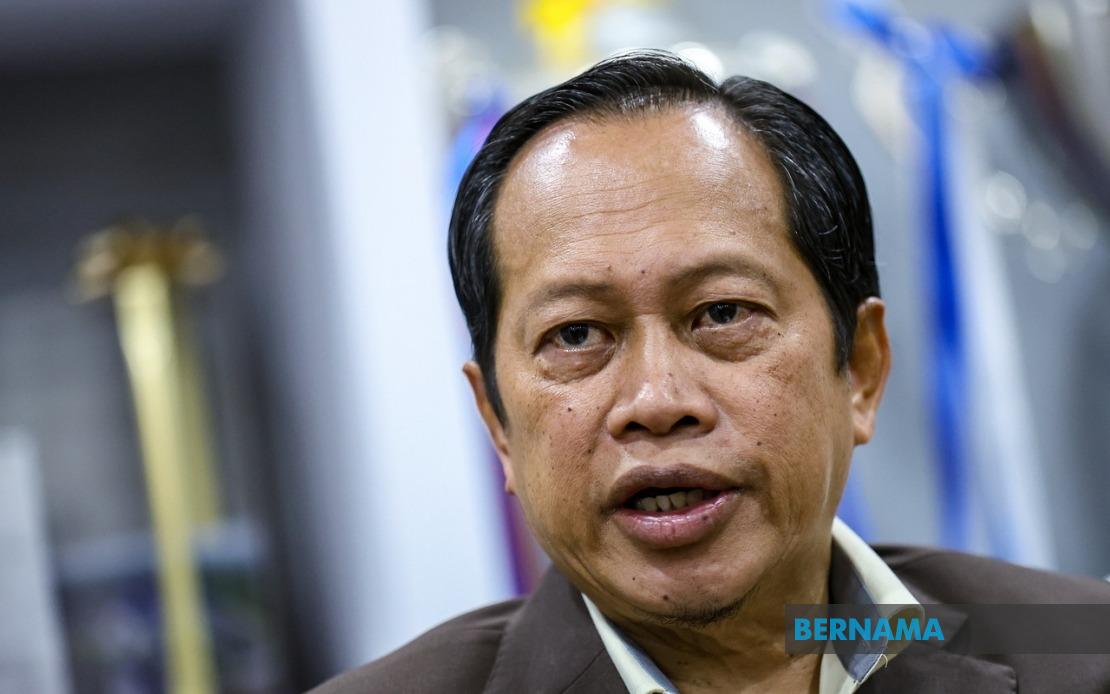
Datuk Seri Dr Ahmad Maslan, the deputy chairman of Barisan Nasional in Johor and currently serving as Deputy Works Minister, has formally ruled himself out of contention for the upcoming state election. The decision, announced during a working visit to the Johor Public Works Department in Iskandar Puteri, settles weeks of speculation about his electoral intentions and represents a significant move in the party's candidate selection process for the poll.
The Pontian MP categorically dismissed rumours that he would seek nomination for either the Benut or Pulai Sebatang state seats, both constituencies that fall within his parliamentary jurisdiction. His withdrawal from consideration removes one of the more prominent names from the candidate pool and signals confidence in emerging party figures to carry the coalition's standard in Johor. The decision appears deliberate and measured, suggesting consultation with senior party leadership before the public announcement.
Ahmad explained that he had already communicated his decision to party leadership, indicating that his step-back was part of a broader organisational strategy rather than a sudden withdrawal. His reasoning centred on the principle of providing space for other candidates to compete for these constituencies, a statement that carries particular weight given his seniority within UMNO and the Johor BN structure. This approach aligns with broader discussion within the coalition about succession planning and developing the next generation of state representatives.
Despite removing himself from the electoral contest, Ahmad affirmed his commitment to playing an active campaigning role for BN and UMNO during the election period. This distinction between stepping back from direct candidacy while maintaining campaign involvement is increasingly common among senior figures in Malaysian politics, allowing them to concentrate on broader party strategy and mentoring without the demands of defending a specific constituency seat. His continued involvement in BN's electoral machinery suggests he retains significant influence within the party structure.
The timing of Ahmad's announcement comes as the electoral process enters a critical phase. The Election Commission has designated July 11 as polling day for the 16th Johor state election, with nomination day scheduled for June 27, providing candidates just over two weeks from Ahmad's statement to finalise their nomination papers. Early voting is set for July 7, compressing the campaign timeline and necessitating swift decisions on candidacy from party leadership.
The Johor state election represents the first major electoral test for the BN-led government since the coalition's return to federal power. The state has historically been a BN stronghold, though recent electoral cycles have demonstrated growing competitiveness in certain constituencies. Ahmad's decision to focus on campaign support rather than personal candidacy may reflect an acknowledgment of evolving political dynamics within the state, where party leadership is increasingly conscious of the need to renew its representative base.
For Malaysian observers, Ahmad's move exemplifies the delicate balance between maintaining the authority of established party figures and creating advancement opportunities for emerging cadres. In the context of post-2022 political realignment and the ongoing challenge of rebuilding public confidence in UMNO, such decisions carry symbolic weight beyond their immediate electoral implications. The choice to step back voluntarily, rather than face an internal nomination contest, suggests a functioning party selection mechanism and clear hierarchy.
The Pontian parliamentary seat remains Ahmad's current electoral base, and his non-participation in the state contest does not affect his continued representation in the lower house. His ongoing parliamentary duties will provide him with a platform to advocate for constituency concerns during the state election campaign period. This allows him to maintain political visibility and voter engagement without the specific demands of a state-level candidacy.
Within the broader context of Johor politics, Ahmad's withdrawal opens space for alternative candidates in Benut and Pulai Sebatang. These constituencies may now receive nomination consideration for rising stars within UMNO or allied coalition partners, potentially accelerating the political careers of younger party members. The move signals to the grassroots that advancement within the party hierarchy remains possible for those willing to contest and prove themselves.
The Electoral Commission's timeline leaves limited room for further procedural adjustments or late candidate changes, making the coming two weeks crucial for BN's finalisation of its Johor slate. Ahmad's early confirmation allows the party machinery to pivot to other candidate discussions without lingering uncertainty about his intentions. This clarity should facilitate more focused campaign preparation and resource allocation across the coalition's target constituencies.
For the broader Malaysian political landscape, the Johor state election serves as an important barometer of public sentiment toward the current federal government and the BN coalition. Ahmad's decision to contribute to the campaign effort without seeking personal electoral return positions him as an elder statesman of sorts, focused on organisational success rather than individual advancement. This framing may enhance his standing within party circles while preserving political capital for potential future roles.


