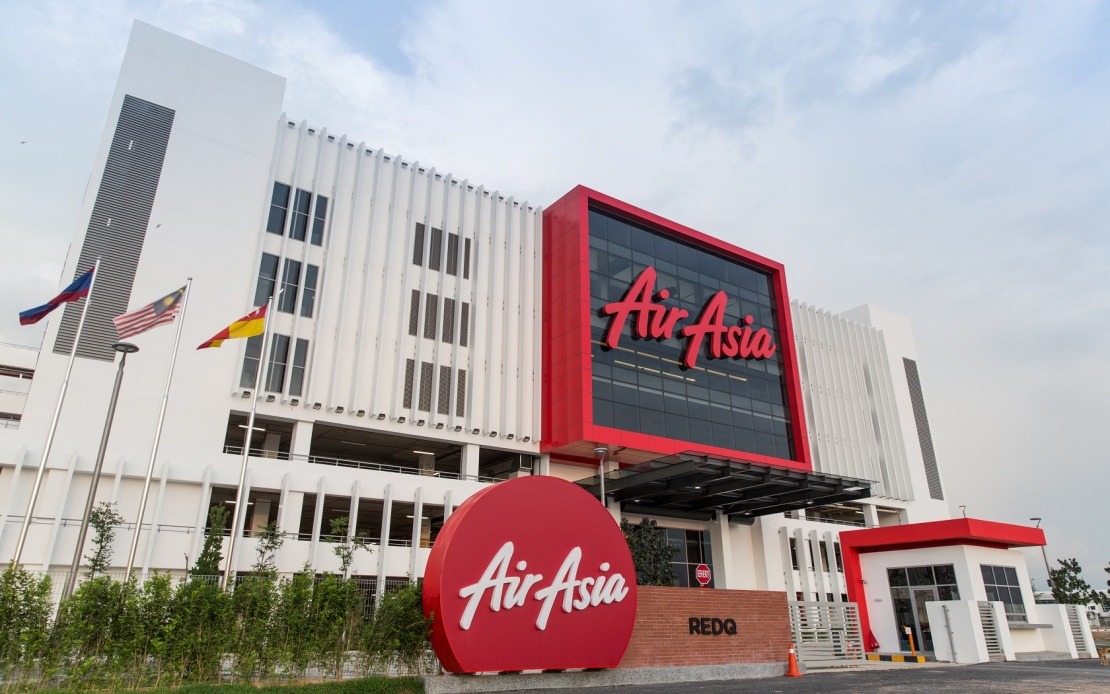
AirAsia has issued a formal warning to prospective employees across Malaysia and the region following the discovery of a fraudulent recruitment website designed to exploit unsuspecting job applicants. The low-cost carrier confirmed that a fake portal operating under the domain http://airasiaexpress.com is actively deceiving candidates by masquerading as the airline's legitimate hiring channel, marking the latest in a growing wave of employment-related scams targeting vulnerable individuals seeking work opportunities.
The deceptive website operates through a sophisticated impersonation strategy, replicating the visual design and messaging of AirAsia's authentic careers page to establish credibility with applicants. Once potential candidates engage with the fraudulent platform, perpetrators systematically extract sensitive personal information including names, identification numbers, contact details, and banking information under the guise of processing employment applications. The scammers then demand upfront payments described as "processing fees" or administrative charges before allegedly advancing candidates through the hiring pipeline—a critical red flag that distinguishes legitimate recruitment from criminal activity.
The airline emphasised that its genuine recruitment operations are conducted exclusively through http://careers.airasia.com, a secure platform properly authenticated and monitored by the company's human resources department. This official portal represents the only legitimate channel through which AirAsia accepts job applications, and the company has made explicitly clear that it maintains a zero-tolerance policy regarding upfront financial demands from applicants. The distinction between these two domains is crucial for job seekers, particularly in an era where internet domain names can appear deceptively similar, especially for candidates who may be conducting rapid job searches across multiple platforms.
What makes this fraud particularly insidious is its targeting of Malaysia's substantial pool of job seekers, many of whom are actively searching for employment in the aviation and hospitality sectors where AirAsia operates as a major regional employer. The scam exploits the prestige and recognisability of the AirAsia brand, betting that applicants will lower their guard when interacting with what appears to be a well-known corporation. Individuals already anxious about employment prospects become particularly vulnerable to requests for processing fees, as they may rationalise such payments as standard industry practice without verifying independently.
AirAsia's alert underscores a broader pattern of employment fraud sweeping across Southeast Asia, where organised criminal networks have increasingly turned their attention toward job recruitment as a reliable revenue stream. The relative anonymity offered by internet-based operations allows scammers to operate across borders and jurisdictions with minimal accountability, particularly when they route payments through cryptocurrency or informal money transfer channels that prove difficult for authorities to trace. The airline's proactive disclosure serves as an important intervention point, preventing potentially thousands of applications from vulnerable candidates before substantial financial losses accumulate.
The company has explicitly instructed all job seekers to refrain from sharing personal information, financial details, or identification documents with any website or individual not directly verified through official AirAsia channels. This guidance carries particular weight for applicants throughout Malaysia, Singapore, Thailand, Indonesia, and other markets where AirAsia maintains significant operations and regularly recruits for flight crews, ground staff, and administrative positions. Candidates are encouraged to independently verify recruitment authenticity by contacting AirAsia's human resources department directly using verified contact information available on the airline's main website.
Beyond this specific incident, AirAsia confirmed its commitment to active monitoring of fraudulent recruitment activities, indicating that the company maintains ongoing surveillance of the digital landscape to identify and report such schemes to relevant cybercrime authorities. This approach reflects growing corporate responsibility in combating employment fraud, recognising that brand holders bear some obligation to protect their reputation while simultaneously shielding potential employees from financial and personal security risks. The airline has stated its willingness to cooperate with law enforcement agencies to investigate the perpetrators and pursue appropriate legal remedies.
For Malaysian job seekers navigating an increasingly complex employment landscape, this warning carries immediate practical importance. Legitimate employers including AirAsia, multinational corporations, and government agencies never solicit upfront fees for job applications, regardless of the position's seniority level or competition intensity. Any recruitment communication demanding payment before employment commences should be treated with extreme suspicion and reported to authorities immediately. Individuals who have already submitted personal information or payments to fraudulent recruitment platforms should contact their banks and credit card providers to flag potentially fraudulent transactions and monitor their accounts closely for suspicious activity.
The incident also highlights the importance of digital literacy in employment processes, particularly as remote work and online recruitment have become normalised across the region. Job applicants should develop habits of scrutinising website addresses carefully, verifying domain legitimacy through official company communications, and consulting industry peers before engaging with unfamiliar recruitment platforms. Social media has emerged as a particularly dangerous vector for recruitment scams, with fraudsters creating convincing fake profiles and pages to drive traffic toward phishing websites designed to harvest personal and financial information from desperate candidates.
AirAsia's systematic approach to this threat—combining public notification, clear guidance on legitimate channels, and commitment to law enforcement cooperation—provides a template that other major regional employers might emulate when confronting similar challenges. The airline's clarification that it maintains no recruitment agents or intermediaries reinforces the importance of direct engagement with official company portals, eliminating middlemen who could themselves become conduits for fraud. As employment fraud schemes grow increasingly sophisticated, prospective employees throughout Southeast Asia must remain vigilant and informed about the distinguishing characteristics of legitimate versus fraudulent recruitment operations.