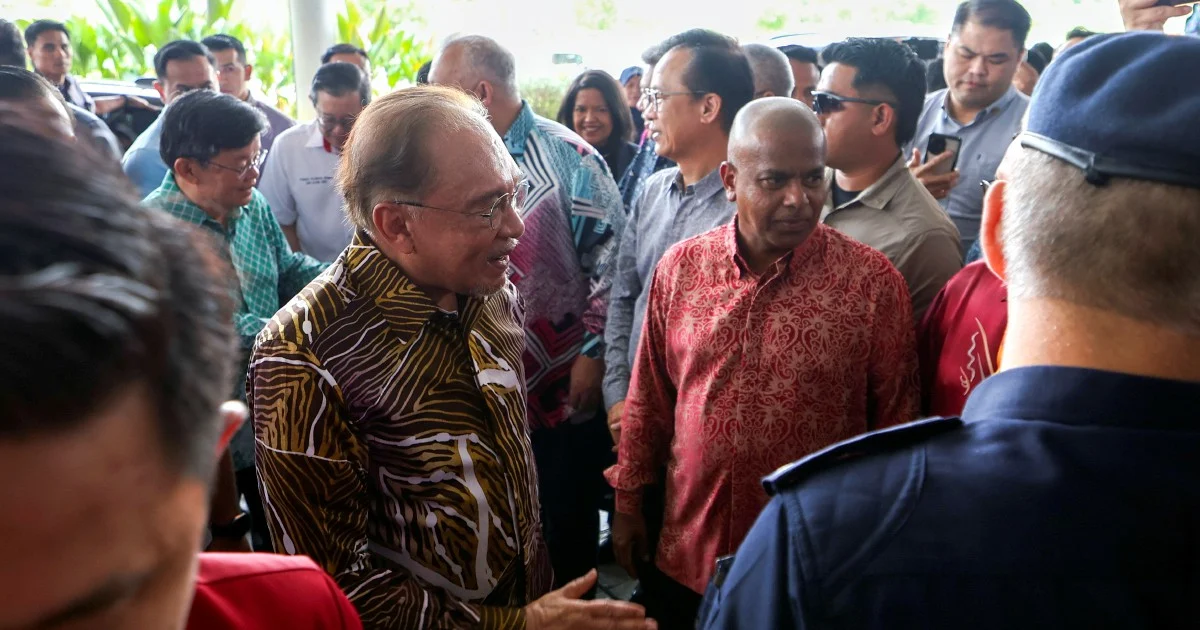
Prime Minister Datuk Seri Anwar Ibrahim has celebrated Turkmenistan's choice to grant Petronas operational rights over two substantial gas fields, framing the award as a watershed moment for Malaysia's energy infrastructure and strategic positioning in the region. The Prime Minister made his remarks in Permatang Pauh, emphasizing the importance of the agreement for the nation's long-term resource security.
The award represents a major expansion of Petronas' international exploration and production footprint beyond its traditional operating grounds in Southeast Asia and the Middle East. By securing access to Turkmenistan's reserves, Malaysia's state-owned oil and gas corporation gains significant exposure to the abundant hydrocarbon resources of Central Asia, a region increasingly viewed as critical to global energy balancing and economic diversification.
For Malaysia, which remains heavily dependent on natural gas for electricity generation and petrochemical manufacturing, securing additional supply sources reduces vulnerability to price volatility and supply disruptions. The Turkmenistan fields offer Petronas the opportunity to develop new reserves that can eventually be exported or processed, creating value across Malaysia's downstream industries. This is particularly relevant as Southeast Asia's energy demand continues to accelerate alongside rapid industrialization and population growth across the region.
The deal also strengthens Malaysia's diplomatic standing in Central Asia, opening avenues for deeper economic and political engagement with Turkmenistan and neighboring countries. Such partnerships are increasingly vital as nations compete for access to energy resources and seek to build resilient supply chains independent of geopolitical tensions elsewhere. By establishing a substantial operational presence in Central Asia, Petronas positions Malaysia as a credible international player in upstream energy development.
Turkmenistan possesses some of the world's largest natural gas reserves, estimated at over 17 trillion cubic meters, making it a strategic prize for international oil companies. However, the country has historically maintained selective partnerships, preferring operators with strong technical credentials and stable financial backgrounds. Petronas's selection underscores confidence in the Malaysian corporation's ability to develop complex fields while meeting international standards for safety, environmental stewardship, and operational excellence.
The timing of the announcement carries broader significance for Malaysia's economic outlook. As the nation pursues industrial transformation and seeks to reduce its reliance on traditional commodity exports, investments in energy infrastructure represent tangible progress toward economic resilience. Petronas, as a major revenue generator for the federal government, will channel profits and taxes from expanded operations back into Malaysia's economy, supporting public finances and enabling reinvestment in infrastructure and technology sectors.
For Petronas shareholders and employees, the expansion into Central Asia diversifies the company's geographic risk and creates opportunities for technical advancement and career development. The company gains exposure to new geological conditions, operational challenges, and market dynamics, strengthening its competitive position globally and its capacity to attract top talent in a competitive energy sector.
The Central Asian energy market also offers longer-term strategic benefits. As global energy transitions accelerate toward renewable sources, access to large conventional gas reserves provides Malaysia with tradeable commodities and revenue stability during a protracted energy transition period. This financial cushion enables the nation to invest in green technologies and renewable infrastructure without immediate pressure to monetize every asset.
Regionally, the deal reflects Malaysia's growing integration into broader Asian energy networks. Singapore, Indonesia, and other Southeast Asian nations are simultaneously pursuing energy partnerships across the continent, recognizing that regional energy security depends on diversified supply chains. Malaysia's success in Turkmenistan encourages other Malaysian companies to seek comparable opportunities in Central Asia, potentially creating a cluster of Malaysian business interests across the region.
Petrolas will now face the substantial task of developing these fields to international standards while navigating Turkmenistan's regulatory environment and geological complexities. Success requires sustained capital investment, skilled workforce deployment, and effective coordination with local authorities. The scale of commitment involved underscores both the opportunity and the challenge ahead for Malaysia's national oil corporation.
The agreement also signals Malaysia's commitment to remaining engaged in upstream energy development despite global pressure toward energy transition. Balancing extraction of conventional resources with investment in renewable energy remains a key policy tension for the Malaysian government, and securing assets like the Turkmenistan fields allows the nation to maintain optionality as global energy markets evolve.