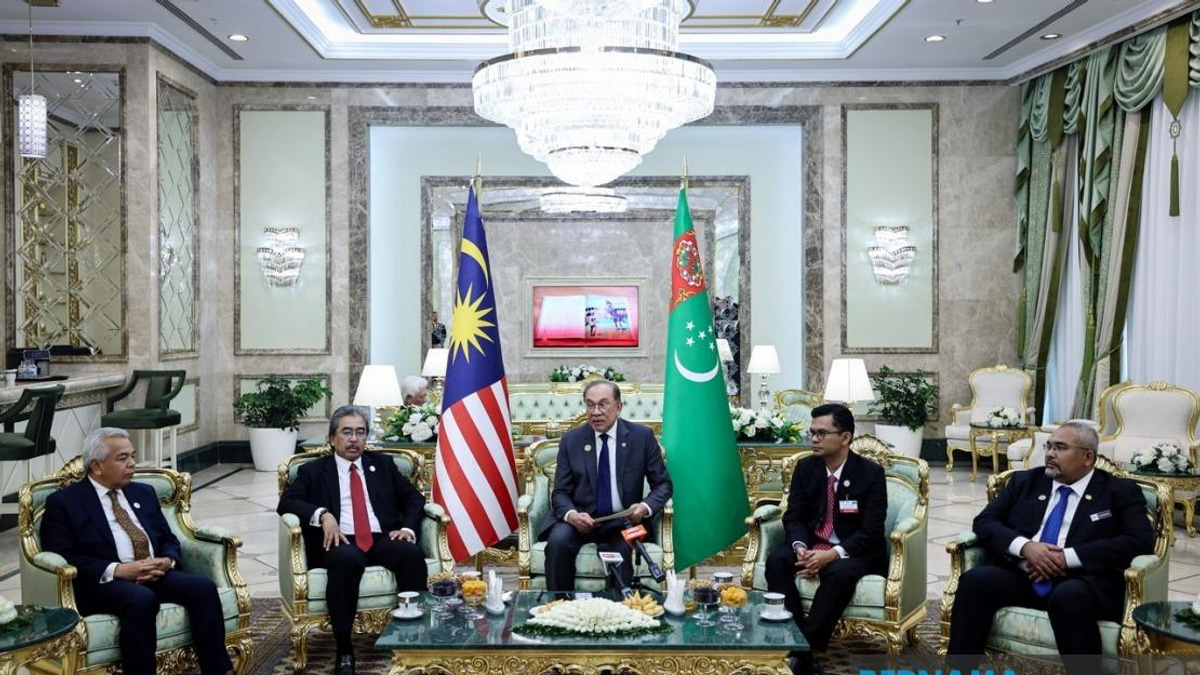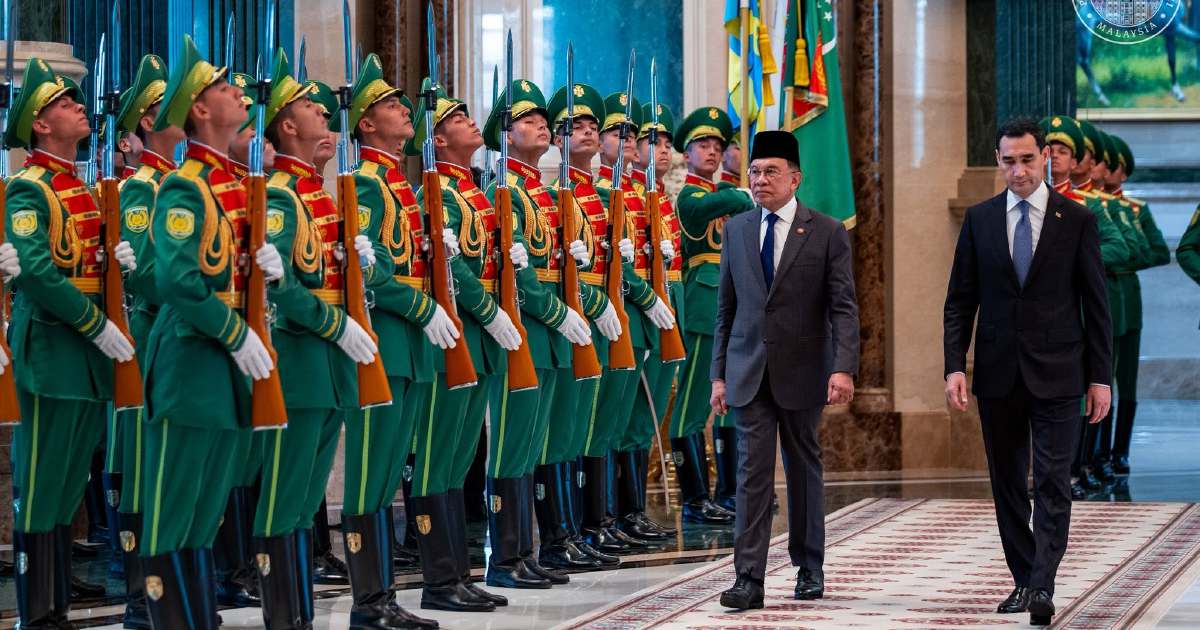
Prime Minister Datuk Seri Anwar Ibrahim received the full ceremonial treatment at Turkmenistan's Presidential Palace in Ashgabat, underscoring the significance both nations place on their bilateral relationship. The formal welcome marks a milestone moment for Malaysia's engagement with Central Asia, as this represents Anwar's first official state visit to the oil and gas-rich nation since he assumed the premiership.
The diplomatic visit arrives at a pivotal time for Malaysian foreign policy, particularly as the government seeks to expand economic partnerships and political ties beyond Southeast Asia. Turkmenistan, strategically positioned as a bridge between Europe and Asia, represents both economic opportunities and geopolitical importance in Malaysia's broadening regional engagement strategy. The Central Asian nation sits atop significant natural gas reserves and controls crucial transit routes for regional trade.
Anwar's journey to Ashgabat reflects the Malaysian government's commitment to strengthening relations across the broader Asian continent. In recent years, Malaysia has intensified diplomatic outreach to traditionally overlooked markets, recognising that economic diversification and strengthened bilateral partnerships can enhance the nation's standing on the international stage. Turkmenistan, despite its relatively isolated foreign policy posture, has become increasingly open to selective partnerships with nations that respect its sovereignty and non-aligned stance.
The Presidential Palace ceremony itself carries considerable symbolic weight within Turkmenistan's diplomatic traditions. Such formal receptions are typically reserved for dignitaries Malaysia views as priority partners, and the Turkmen government's decision to extend this honour signals their receptiveness to deepening engagement with Malaysia. The mutual display of protocol demonstrates both governments' willingness to elevate their relationship beyond routine diplomatic channels.
From Malaysia's perspective, this visit opens avenues for expanded trade relationships, investment opportunities, and people-to-people exchanges. Turkmenistan possesses substantial reserves of natural gas and minerals, sectors where Malaysian companies and expertise could potentially play a role. Additionally, the nation serves as a gateway to other Central Asian economies including Kazakhstan, Uzbekistan, and Kyrgyzstan, potentially amplifying Malaysia's regional influence.
For Southeast Asian readers, Anwar's Central Asian foray demonstrates Malaysia's capacity to maintain strategic independence while pursuing interests across diverse regions. This approach diverges from traditional Malaysian foreign policy, which historically prioritised regional concerns and relationships with major global powers. The visit signals a more assertive, pan-Asian engagement strategy that positions Malaysia as a serious player in continental diplomacy.
Turkmenistan's official welcome also reflects broader regional dynamics in Central Asia, where nations seek partnerships that provide economic benefits without imposing political conditions. Malaysia, as a Muslim-majority Southeast Asian democracy, offers an attractive alternative model to partnerships with traditional Western powers, while maintaining distinct interests separate from other Asian giants. This positioning makes Malaysian engagement particularly valuable to Turkmen policymakers seeking diversified international relationships.
The timing of this visit carries additional significance within Malaysia's domestic political context. Anwar's administration has emphasised economic renewal and international engagement as core policy pillars, and successful high-level diplomatic missions contribute to demonstrating governmental competence and international standing. A productive visit to Turkmenistan, particularly one marked by formal ceremonial reception, enhances Malaysia's international profile and provides domestic political momentum.
Mutual interests between the two nations extend beyond energy sectors into areas such as education, cultural exchange, and technological cooperation. Malaysian universities have begun attracting Central Asian students, while Turkmen interest in Southeast Asian development models has gradually increased. These people-to-people connections, often overlooked in grand diplomatic narratives, form the foundation for sustained long-term partnership.
The visit also positions Malaysia within broader regional geopolitical calculations. Central Asia remains influenced by major powers including Russia and China, yet smaller nations increasingly seek partnerships that offer genuine reciprocity rather than hegemonic relationships. Malaysia's non-aligned foreign policy approach and emphasis on mutual respect appeals to Turkmenistan's leadership, which guards its independence jealously.
Moving forward, this official visit will likely precipitate follow-up diplomatic engagements and potentially structured mechanisms for regular consultation between Malaysian and Turkmen officials. Formal bilateral commissions or working groups could emerge, creating institutional frameworks for ongoing cooperation. Such developments would represent significant progress in a relationship that, while cordial, has historically remained modest in practical engagement.
For Malaysian observers, this Ashgabat visit exemplifies the government's broader strategic recalibration toward greater regional and continental involvement. As global economic and political competition intensifies, smaller nations like Malaysia must cultivate diverse partnerships and demonstrate relevance across multiple regions. Anwar's Central Asian engagement represents a calculated attempt to expand Malaysia's diplomatic footprint and create new avenues for prosperity and influence.